
The presence of a fellow species as a basic physiological need
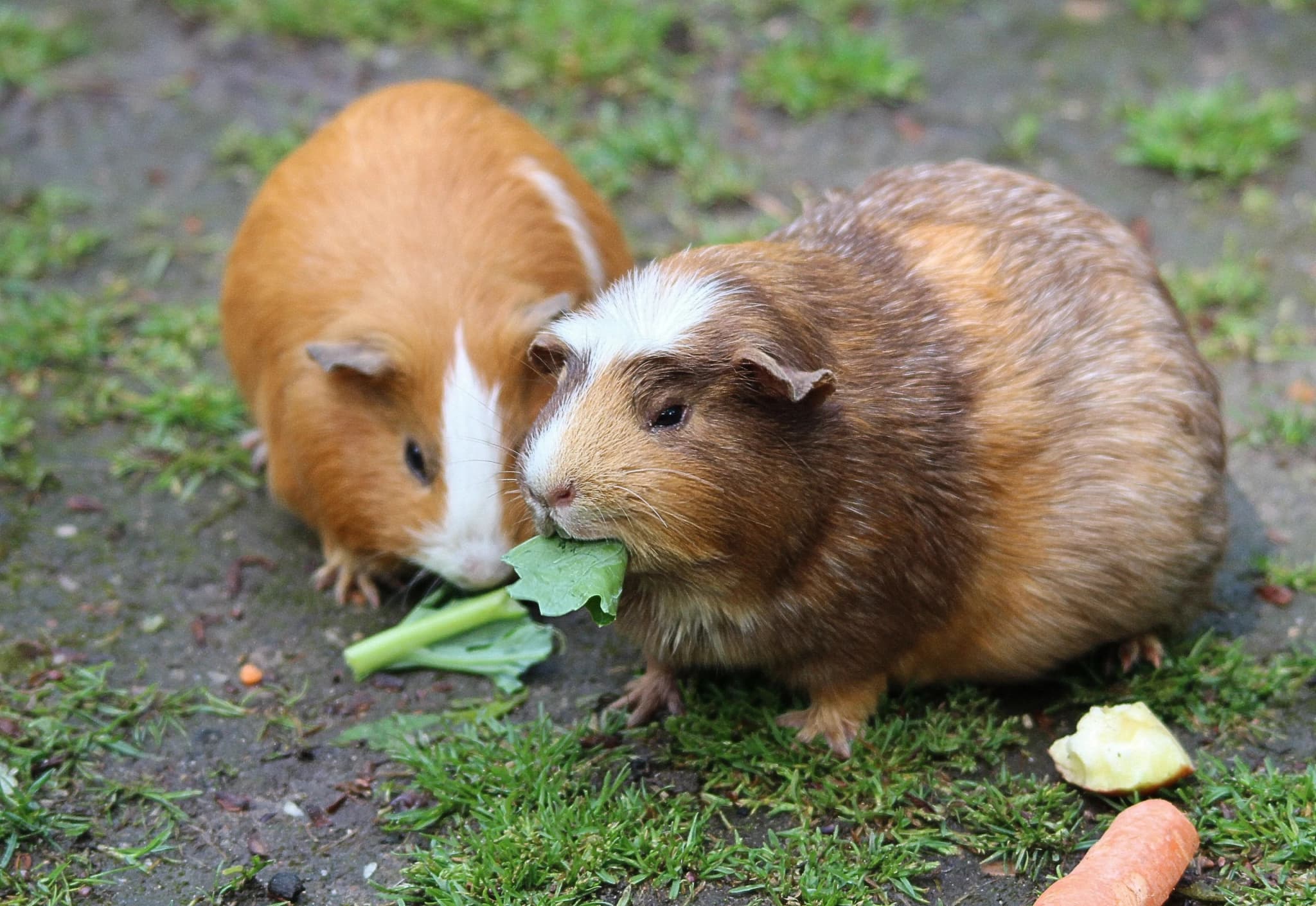
Swiss law strictly prohibits keeping guinea pigs alone, based on research, and defines it as animal cruelty. In experiments conducted by Swiss and Austrian ethologists, the levels of cortisol, a stress hormone, were measured in guinea pigs living alone and in pairs, and their heart rates were monitored in various everyday situations.
The results showed that the presence of a conspecific acts as a so-called social buffer for the animal, alleviating environmental fears and anxiety. In guinea pigs living alone, stress hormone levels remain constantly above normal, which weakens the immune system, causes digestive disorders and makes the animal susceptible to various diseases.
Communication language and emotional well-being
Guinea pigs and other rodents communicate with each other through a complex system of vocalizations, scent cues, and body language that humans can never fully replace. Researchers have identified over a dozen different specific vocalizations in guinea pigs, from contented clucking and purring to warning and communication signals used to maintain hierarchy and trust within the herd.
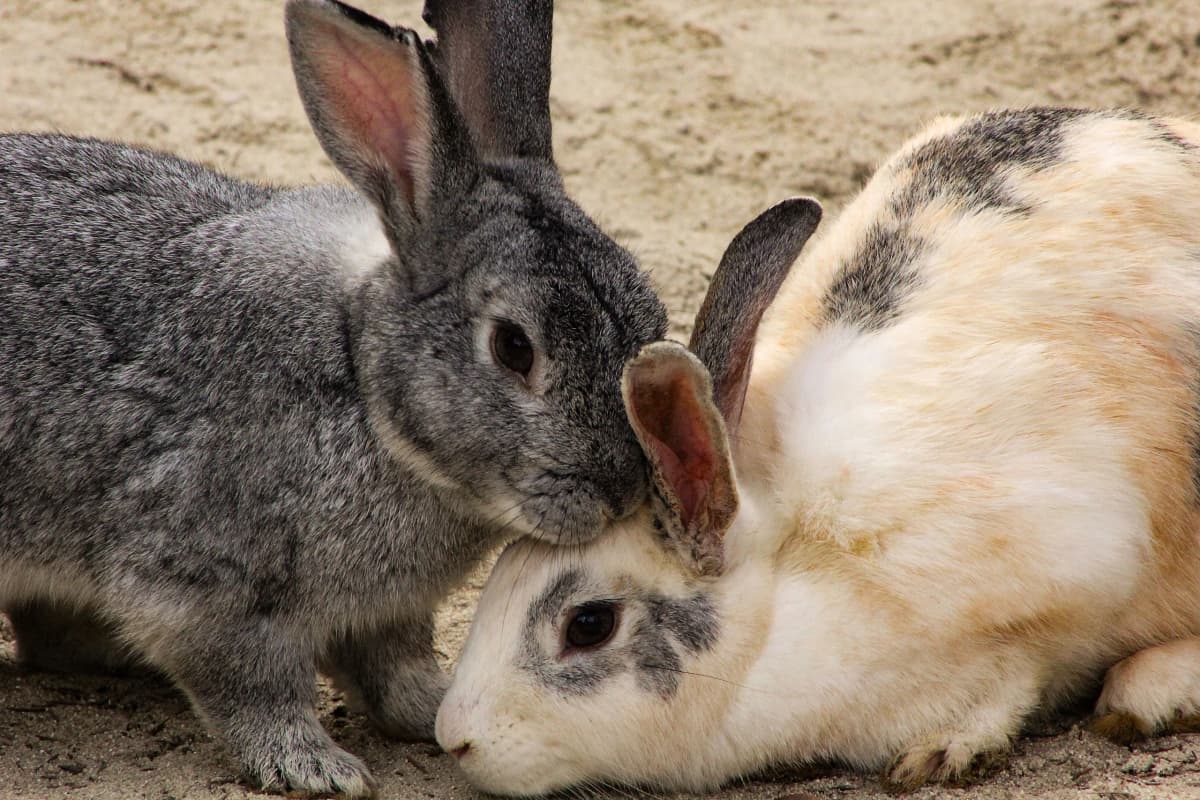
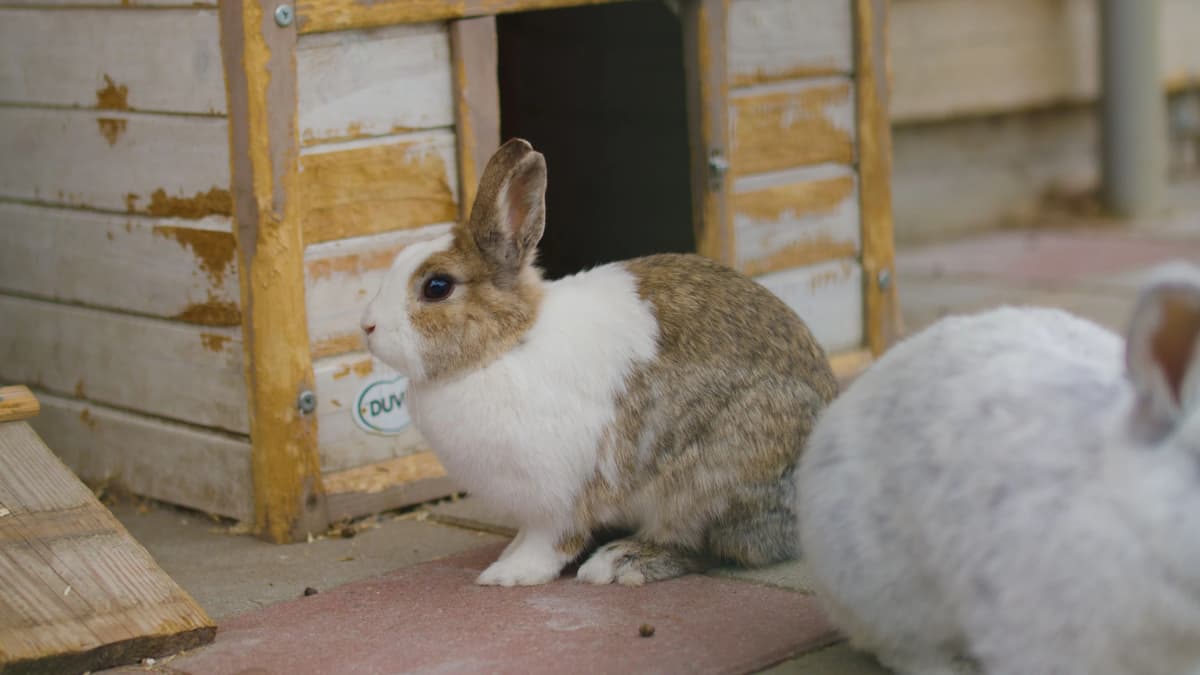
When a guinea pig or rabbit is kept in isolation, the animal is deprived of the opportunity to express its species-specific behavior. Human attention and petting are pleasant to the animal, but they do not replace the presence of another individual of the same species with whom it can feed, sleep safely, and maintain direct contact.
How to ensure a fulfilling life for a small animal?
Animal behavior experts recommend following science-based principles when adopting and keeping small animals, always bringing guinea pigs and other social small animals home as at least a pair, preferably individuals of the same sex or castrated and sterilized pairs.
It is also important to provide the animals with a large enough living space, which allows them to move away from each other and be alone if necessary, thus eliminating territorial conflicts. In addition to the company of a conspecific, animals also need mental stimulation, for example, hiding food and fresh branches in different places, which stimulates their natural searching and chewing instincts.
From sources
The article is based on research published in the journals Applied Animal Behaviour Science and Journal of Veterinary Behavior by ethologists from the University of Bern and the University of Veterinary Medicine Vienna .