
Three critical steps of the nitrogen cycle
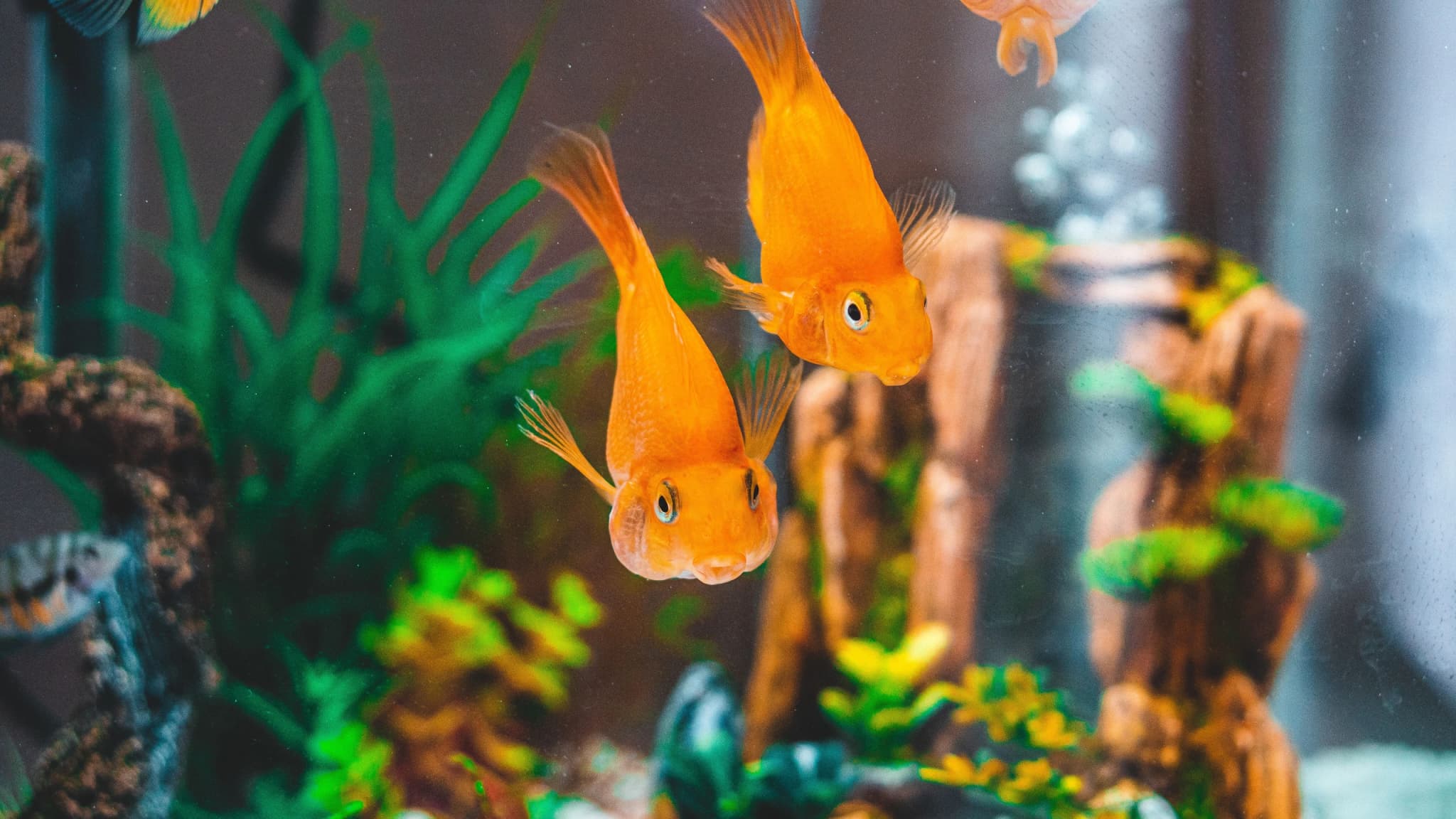
Organic waste generated during the life of the aquarium, such as fish feces, uneaten food, and decaying plant parts, immediately begin to decompose in the water. The first step is the formation of toxic ammonia, which damages the fish's gills and disrupts their blood circulation even at very low concentrations.
Primary beneficial bacteria that grow on the aquarium filter media and bottom soil convert toxic ammonia into nitrite. Although nitrite is somewhat less toxic than the previous compound, it still blocks the binding of oxygen in the fish's blood and causes a suffocation reaction.
In the final phase of the process, the following strains of bacteria break down nitrite into nitrate, which is a much safer compound for the fish. Nitrate is also a nutrient for live plants, and its excessive accumulation is kept under control by regular partial water changes.
Accurate measurement of water parameters
Special drop tests or digital analysis options are used to monitor the concentration of nitrogen compounds, as conventional test strips do not provide sufficient accuracy to assess the biological balance. For sampling, a clean water sample is taken from the aquarium and drops are added to it, which react with ammonia, nitrite or nitrate and color the water according to the concentration of the compound. The result is compared with a color scale, where the goal is the absence of ammonia and nitrite, while the nitrate level is kept below 20–40 milligrams per liter by partial water changes.
Actual time required for biological acclimatization
In order for beneficial bacterial colonies to be able to decompose the resulting organic waste at a sufficient rate, an aquarium without fish needs a biological break-in period. Depending on the water temperature, filter capacity and bacterial preparations used, the development of a stable microflora usually takes two to six weeks.
During the break-in period, a small amount of organic matter, or bacterial food, is added to the water of an empty aquarium and changes in water parameters are monitored with drop tests. The process is considered successful only when the ammonia and nitrite levels are measured at a stable zero and only low nitrate levels are detectable in the water.
Preventing Unincorporated Aquarium Syndrome
Premature stocking of fish causes the so-called new aquarium syndrome, where sharply rising ammonia and nitrite levels lead to illness and rapid death of the inhabitants. Small animal veterinarians and aquarium experts emphasize that fish should be added to an established aquarium gradually in small groups so that the newly established bacterial community has time to adapt to the increasing biological load.
From sources
The article is based on the Aquatic Animal Health Program of the Cornell University School of Veterinary Medicine and the WSAVA and WAVMA biological filtration guidelines.