
What are EKL and FCI and what do they mean?
The FCI ( Fédération Cynologique Internationale ) is a global organization that unites national dog breeders' associations from more than 90 countries. The FCI establishes uniform international breed standards, regulates the rules of shows and working trials, and ensures the mutual recognition of breed certificates throughout the world.
EKL or Estonian Kennel Club is the only Estonian organization that is officially a member of the FCI. EKL coordinates the breeding, keeping and training of pedigree dogs in Estonia and maintains the official Estonian breed register. Equivalent FCI member organizations in the Baltics are LKF ( Latvijas Kinoloģiskā Federācija ) in Latvia and LKD ( Lietuvos Kinologų Draugija ) in Lithuania. The pedigree papers issued by these three organizations are recognized in the Baltics and around the world.
Conditions for obtaining an EKL/FCI breed certificate
Obtaining an EKL breed certificate requires the breeder to meet several strict requirements over a long period of time. To apply for official breed documents for puppies, both parents must have an FCI-recognized breed certificate and the mother dog must have a registered kennel name.
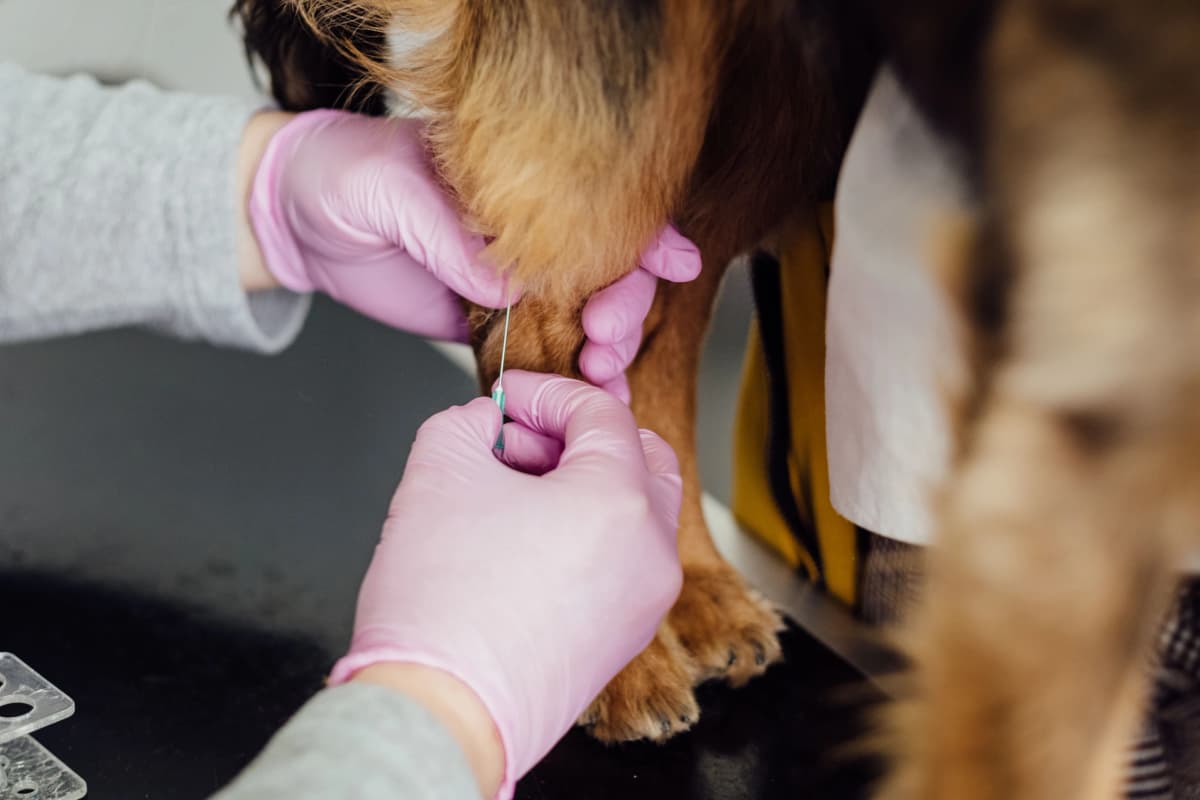
Depending on the breed, the parents must undergo mandatory veterinary health examinations before mating, such as hip and elbow examinations or genetic tests, to exclude the transmission of hereditary diseases. The dog's parents must also have received recognition with the required score at an official show or have passed the relevant breed tests that confirm their compliance with the breed standard. The breeder submits a proper mating certificate and a litter registration application to the Estonian Kennel Club. All puppies must be microchipped, vaccinated and have passed a veterinary examination before being handed over.
Alternative breed papers and organizations
In addition to the FCI system, there are alternative associations operating around the world and in the Baltics, the best known of which are ICU ( International Canine Union ) and IKU ( International Kennel Union ). Breed documents issued by these organizations are only valid within the same association and are not recognized in the EKL or FCI system.
An unethical breeder may claim that obtaining an EKL pedigree certificate will significantly increase the price of the puppy, or that it will take months to receive the papers and therefore they will be sent later. In reality, issuing an EKL pedigree certificate only costs the breeder around 20-40 euros per puppy, and properly submitted documents will be processed quickly. The real reason for the lack of papers or alternative documents (e.g. ICU) is almost always that the dog's parents have not passed the mandatory health tests, do not have show scores, or do not meet the breed standard.
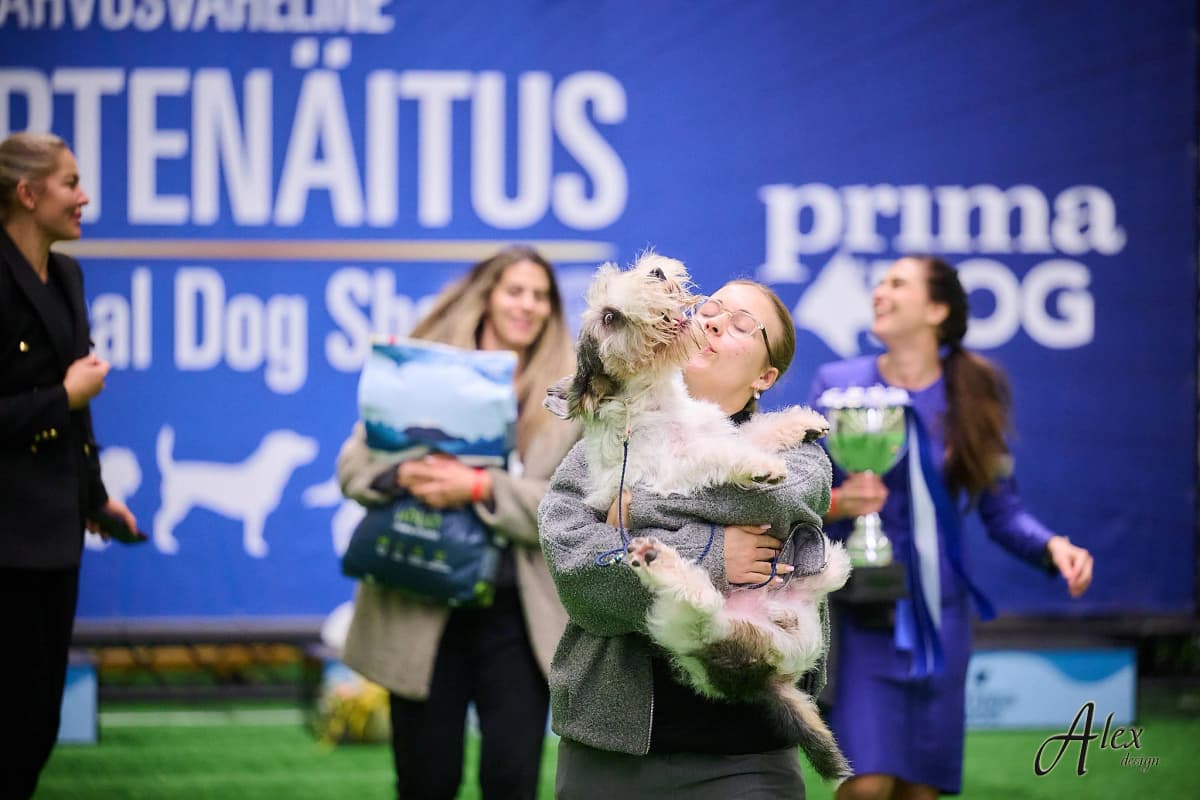
A dog with alternative papers cannot participate in official shows, competitions or working trials organized by the Estonian Kennel Club or the FCI. Such a dog cannot be used in official breeding by the Estonian Kennel Club. In alternative associations, the breeding requirements and health checks may be significantly less stringent, which is why they do not give the buyer the same guarantee regarding the health background of the ancestors.
What to look for when buying a puppy?
When purchasing a purebred dog, you should always ask the breeder for the EKL or FCI registration numbers of the parents and check the health test results in the official EKL register. The EKL breed certificate issued in Estonia always contains the EKL and FCI symbols, the dog's registration number, the microchip number and information about at least three generations of ancestors. The buyer should always be suspicious if the breeder claims that the EKL breed certificate is behind the slow processing and offers to send the certificate retrospectively.
From sources
Official data and breeding requirements come from the Estonian Kennel Club breed register and statutes. International breed standards and rules are based on FCI materials. The recognition of Latvian and Lithuanian breed certificates is based on the official LKF and LKD guidelines.