
Golden rule: 10 percent limit on treats
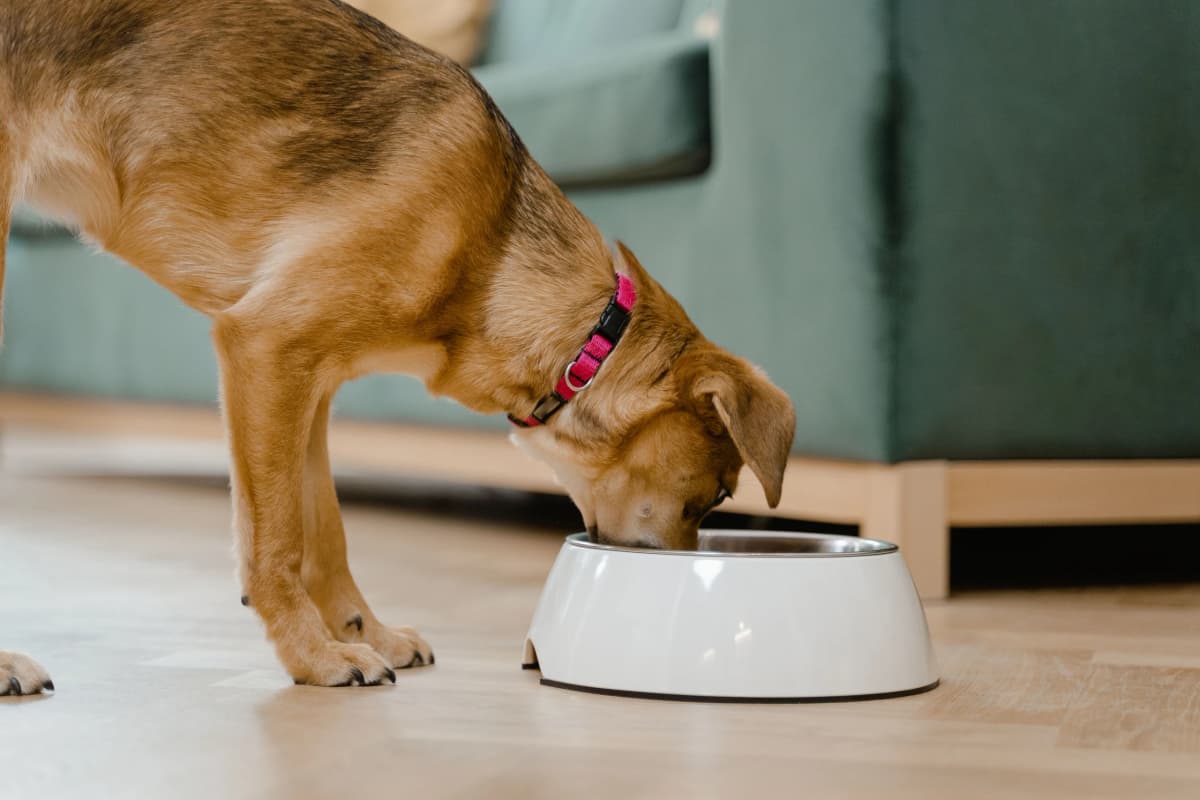
The basis of the recommendations of small-breed veterinarians is the so-called 10 percent rule. Any additional treats – whether special training treats, dried meat or fresh fruit – should make up a maximum of one tenth of a dog's daily energy requirement. The remaining 90 percent should be filled by a complete food that is balanced for its age and provides the body with the necessary vitamins, minerals and amino acids.
If the proportion of snacks increases too much, there is a risk of nutritional imbalance and rapid weight gain. Be especially careful with small dogs, for whom a single slice of cheese or fatty wiener can provide a significant portion of the entire day's energy needs.
Snack on fruits and vegetables instead
Fresh vegetables and fruits are a great alternative to high-calorie processed treats from the store, providing your dog with chewing pleasure, fiber, and antioxidants without excess fat and sugar.
Carrots and cucumber slices are very low in calories and high in fiber, and chewing carrots provides mechanical stimulation to the gums and helps with weight management. Blueberries are rich in flavonoids and polyphenols, and studies show that the antioxidants they contain protect cells from oxidative stress and support cognitive function, especially in older dogs. Apple slices without seeds or cores contain pectin, a soluble fiber that supports the activity of the gut microbiome. Unflavored pumpkin puree is also a high-fiber supplement used by small-breed veterinarians to balance digestive function and relieve mild stomach upset.
Dangerous foods to definitely avoid
Although many pet owners assume that natural food is always safe for dogs, there are substances on the human diet that are directly toxic to dogs.
Grapes and raisins are particularly dangerous, as they can cause acute kidney failure. You should also make sure that your dog does not get products that contain the sweetener xylitol, as this can cause a life-threatening drop in blood sugar and severe liver damage. Toxic substances also include chocolate, onions, garlic, and macadamia nuts. You should also not give your dog boiled or baked bones, which can splinter when chewed and cause damage to the esophagus and intestines.
Moderation and thoughtful choices
Rewarding your dog and eating healthy can go hand in hand if you make informed choices. By replacing fatty and processed treats with fresh vegetables or low-calorie snacks and keeping the amount to 10 percent, you can provide your pet with a taste experience without jeopardizing their health or lifespan.
From sources
The article is based on the nutritional guidelines of the World Small Animal Veterinary Association (WSAVA) and the results of companion animal nutrition research at the University of Illinois.