
Social needs
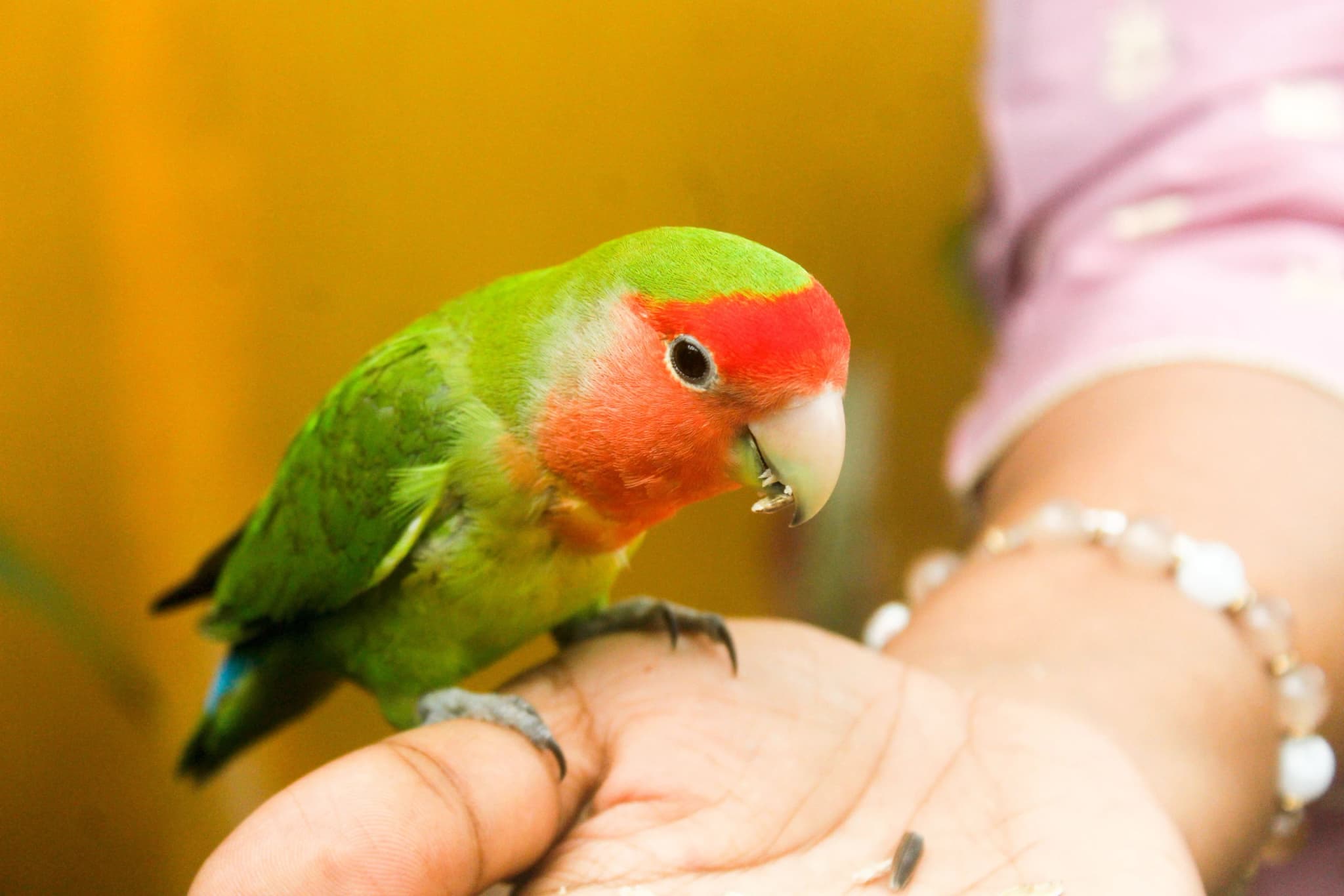
In the wild, parrots live in flocks and form lifelong pair bonds, where each other's presence provides a constant sense of security. In the case of a bird kept alone, a person must take on the role of a flock member, which requires several hours of direct communication, exercise, and socializing every day.
The best way to fully satisfy a bird's social needs is to get a companion bird. A companion bird provides constant mutual feather grooming, interaction, and companionship even when the owner is away from home.
Balanced and nutritious menu
The basis for a bird's longevity and strong immune system is a special pellet food that provides the parrot with all the necessary vitamins and minerals. The pellet food is supplemented daily with fresh vegetables and soaked sprouts.
Fruits and vegetables make up approximately 20–30 percent of the daily diet. Safe foods should be preferred in the diet and avocado, chocolate, citrus seeds, onions and garlic should be kept out of reach of birds. Seed mixtures are especially suitable as an entertaining treat or a training reward.
Environmental enrichment and mental stimulation
The intelligence of parrots' brains is comparable to that of a 3- to 5-year-old child, meaning that inactivity causes boredom and chronic stress in them. Lack of mental stimulation often manifests itself in behavioral problems such as excessive screaming, biting, and fur plucking.
To ensure a stable psyche, the bird must be provided with constant activity in the form of searching for food. Hiding food in toys made of wood, cardboard or natural fibers imitates natural behavior and keeps the bird's senses alert.
Circadian rhythm and sleep needs
Parrots come from regions near the equator, where light and darkness are almost equal throughout the year. To ensure full recovery and a balanced hormonal system, parrots need 10–12 hours of uninterrupted sleep in dim light every night.
Disrupted sleep patterns also cause chronic stress in birds and can trigger excessive and exhausting nesting behavior during the spring-winter period. Covering the cage with a blackout, but breathable fabric will help maintain the necessary daily schedule even in urban environments.
Veterinary inspection
Parrots are prey animals that will hide signs of illness until they are completely gone. Even the slightest changes in a bird's activity, stool consistency, or plumage grooming should prompt consultation with an exotics veterinarian.
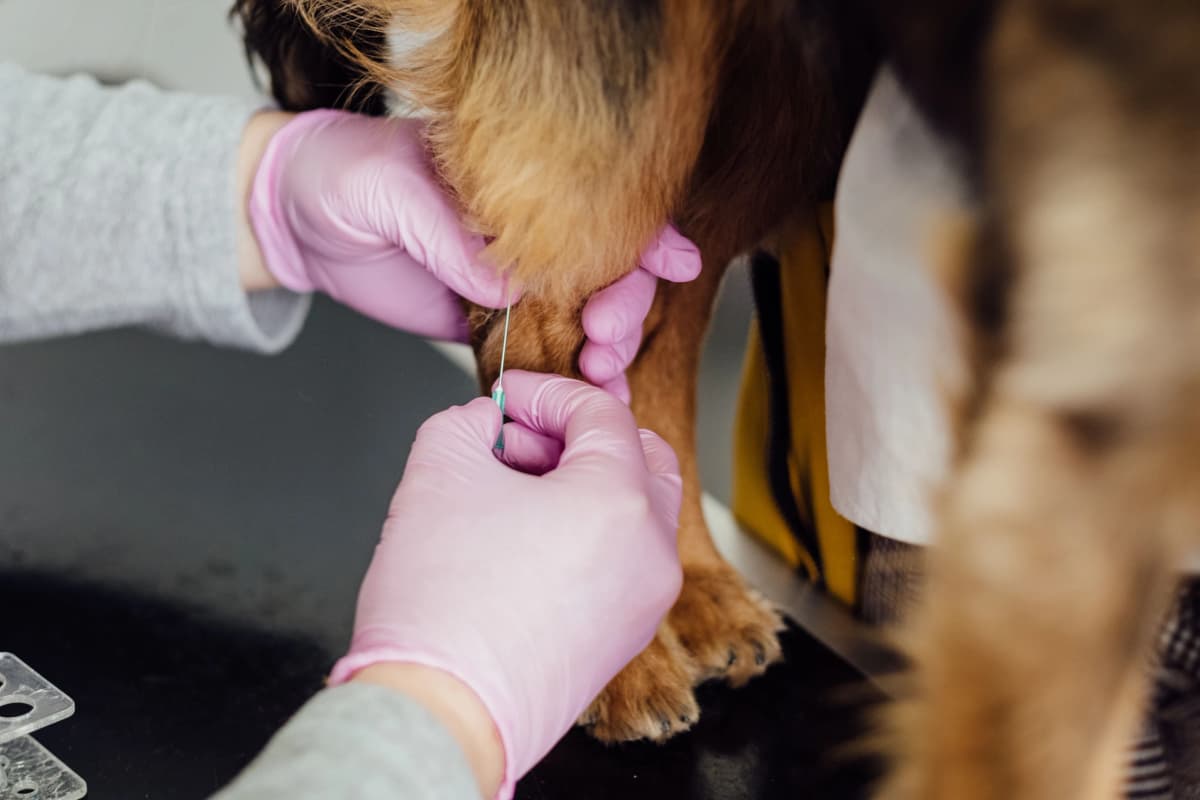
A preventive examination and blood test performed once a year allows for early detection of common damage to internal organs and ensures a longer and more worry-free life for your pet.
About the author and sources
The article is based on the Clinical Guidelines for Avian Medicine from the Cornell University School of Veterinary Medicine.