
Why does an indoor cat need environmental enrichment?
Cats are inherently territorial predators whose nervous systems need daily variety. Researchers at the University of California, Berkeley's Institute of Veterinary Medicine emphasize that to maintain a cat's mental health, their living environment must be consciously enriched, meaning opportunities for species-specific behavior such as exploration, sniffing, and hunting must be created.
When furnishing a home, specialists recommend paying particular attention to vertical space. A cat's sense of security and curiosity are directly related to the ability to observe its surroundings from a higher level, which is why climbing trees, wall shelves, and viewing areas on windowsills significantly reduce stress in the room. Veterinarians also recommend using so-called puzzle solutions instead of conventional food bowls, which force the cat to work with its paws to get its daily portion of food.
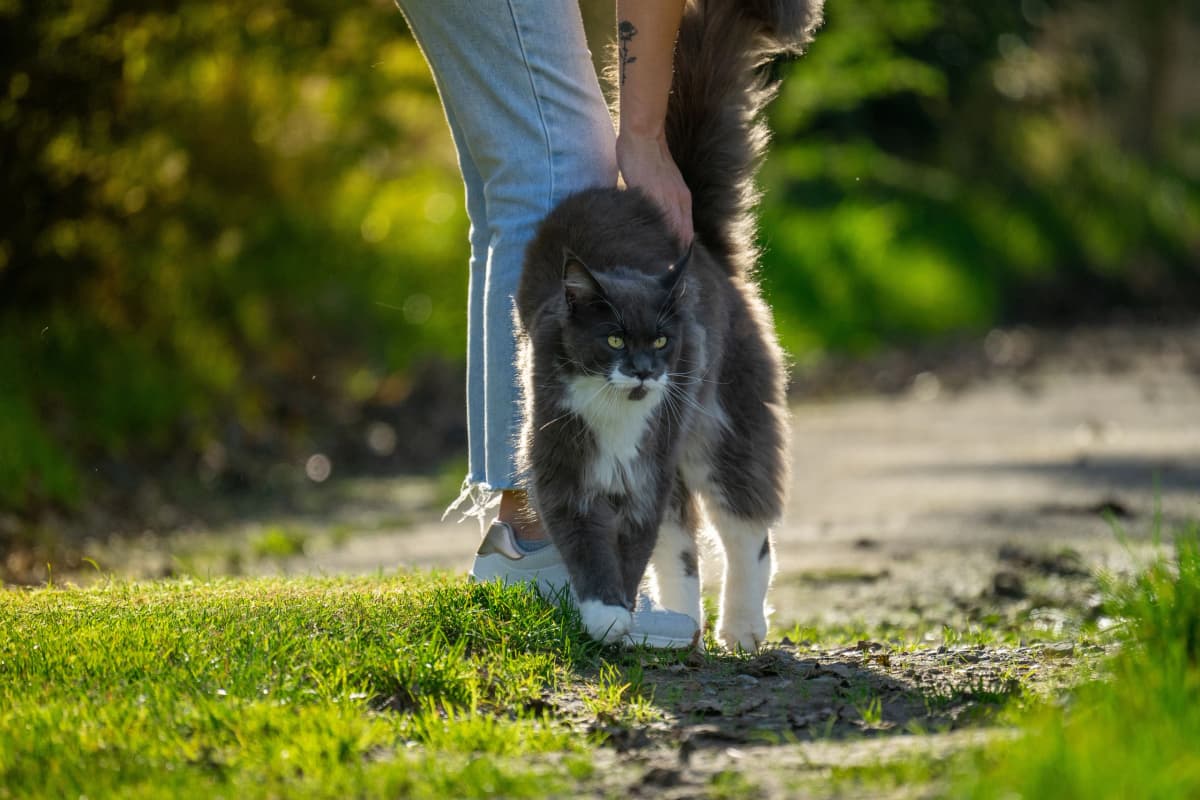
Walking on a leash requires preparation and calm practice.
One way to enrich an indoor cat's environment is to take it outside for fresh air and new smells. However, researchers from the University of Adelaide point out that cats are not small dogs and their response to open space is completely different.
While a dog often feels confident in an open area, a cat can experience a severe panic attack in an open environment without any hiding places. An unexpected noise, a fast-approaching dog or car can cause a cat to struggle unpredictably. Therefore, a cat should only be taken outside with a special body harness and never with a collar, as struggling can cause neck injuries or allow the cat to escape the leash. Training with a harness should begin indoors, and the first outings should take place in quiet, enclosed or secluded corners of the garden.
Safe alternatives: balconies and outdoor enclosures
Studies published in the journal Applied Animal Behaviour Science show that an even better and less stressful solution than walking on a leash is to create a controlled outdoor area.
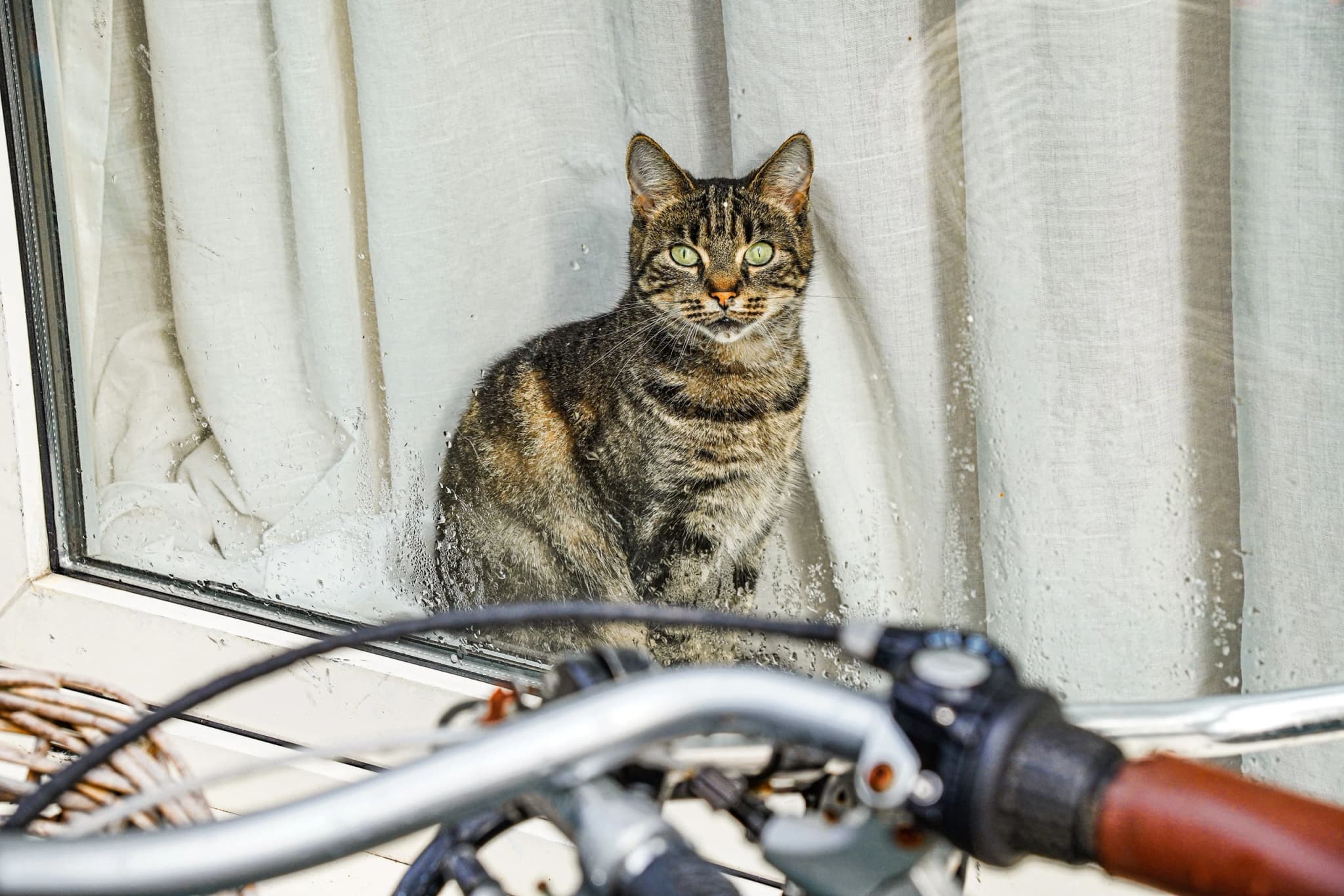
For cats living in apartments, a balcony with a protective net is an excellent option, where the animal can safely observe what is happening outside, smell the fresh air and stretch out. In private homes, behavior specialists recommend building a special outdoor enclosure covered with netting on the side of the house, which the cat can access directly from the room through a window or cat door. This solution gives the cat complete freedom to choose the time of its stay outside and to retreat back to a familiar indoor space in case of danger or fear.
From sources
The article is based on research published by the Cornell University Feline Health Center and the Veterinary Medicine and Animal Behavior Research Groups at the University of California ( UC Davis ) and the University of Adelaide, Australia.