
Prey instinct and the scale of facial expressions
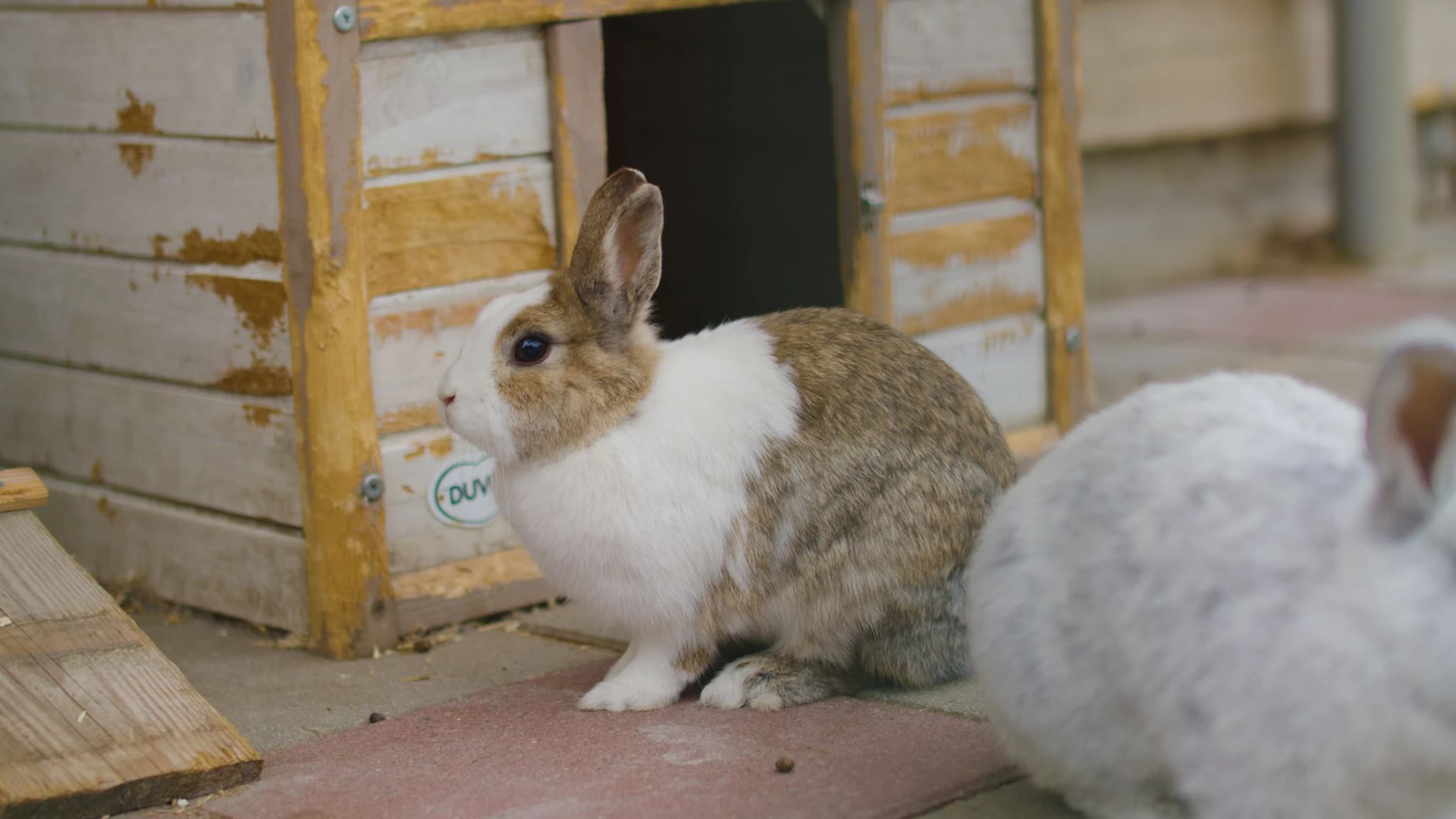
Because rabbits do not vocalize or complain of pain like dogs or cats, their early signs of pain often go unnoticed. Researchers at Newcastle University have developed a facial expression scale ( Rabbit Grimace Scale ) that can help identify discomfort and pain before a rabbit's physical condition becomes critical.
A rabbit in pain will show clear changes in facial expression and posture. A rabbit in discomfort will have half-closed or tense eyes, whiskers will be held tightly and pointed downwards or backwards, ears will be pressed tightly against the back, the muzzle and cheek muscles will be tense, and the animal will hunch over or try to rest its belly on the ground in an unnatural position.
Danger signs that require immediate veterinary attention
A rabbit's body, and especially its digestive system, is extremely sensitive. If certain symptoms appear, you should not wait, but immediately contact an exotic animal veterinarian.
But what are the critical warning signs? If a rabbit has not eaten for six to twelve hours, a life-threatening digestive system failure or digestive paralysis will occur, because the rabbit's intestines have to work constantly and not eating will quickly lead to catastrophic collapse of the organism. The absence of papillae or their becoming very small and hard is also a sign of a serious digestive system disorder. Unusual passivity and huddled in a corner, strong and loud grinding of teeth, rapid or hoarse breathing, saliva dripping from the mouth or a wet undercoat, which almost always indicates overgrown teeth, also require immediate response.
How to monitor the health of a rabbit at home?
Because rabbit health concerns escalate quickly, veterinarians recommend creating a weekly routine to monitor your pet.
To monitor your rabbit's daily habits, it is worth offering it a favorite treat, such as something fresh, at the same time every day, because giving up a favorite treat is the first sign of pain or illness. In addition, it is worth weighing the rabbit once a week with a kitchen scale, because a dense coat hides weight loss, and weight loss is one of the most reliable early indications of chronic illness or dental problems. The contents of the hay box should be checked daily and the size, quantity and shape of the pellets should be monitored, and the rabbit should be taken to an exotic animal specialist for a preventive health check-up at least once a year, who can examine the rabbit's molars and assess the activity of the internal organs.
From sources
The article is based on research published by the animal welfare and exotic animal medicine research groups at the University of Bern in Switzerland and Newcastle University in the UK.