
Most infectious diseases and parasites in dogs are preventable

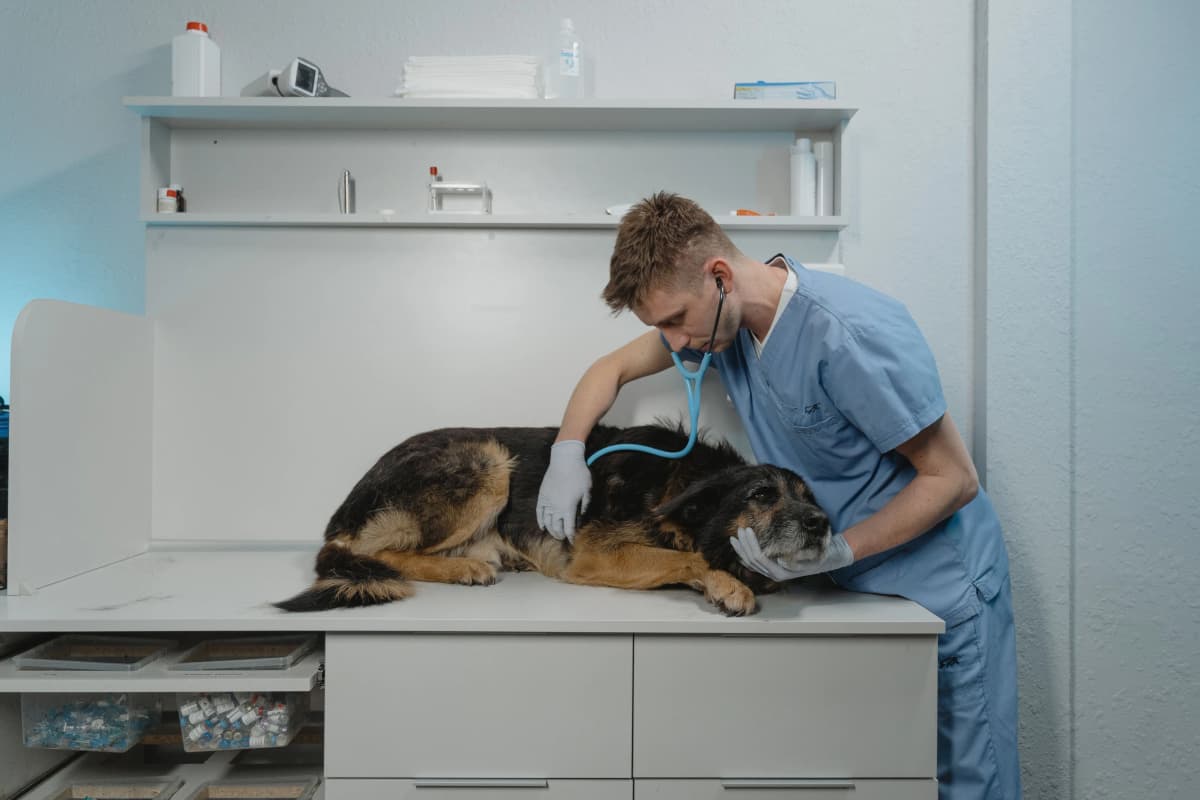
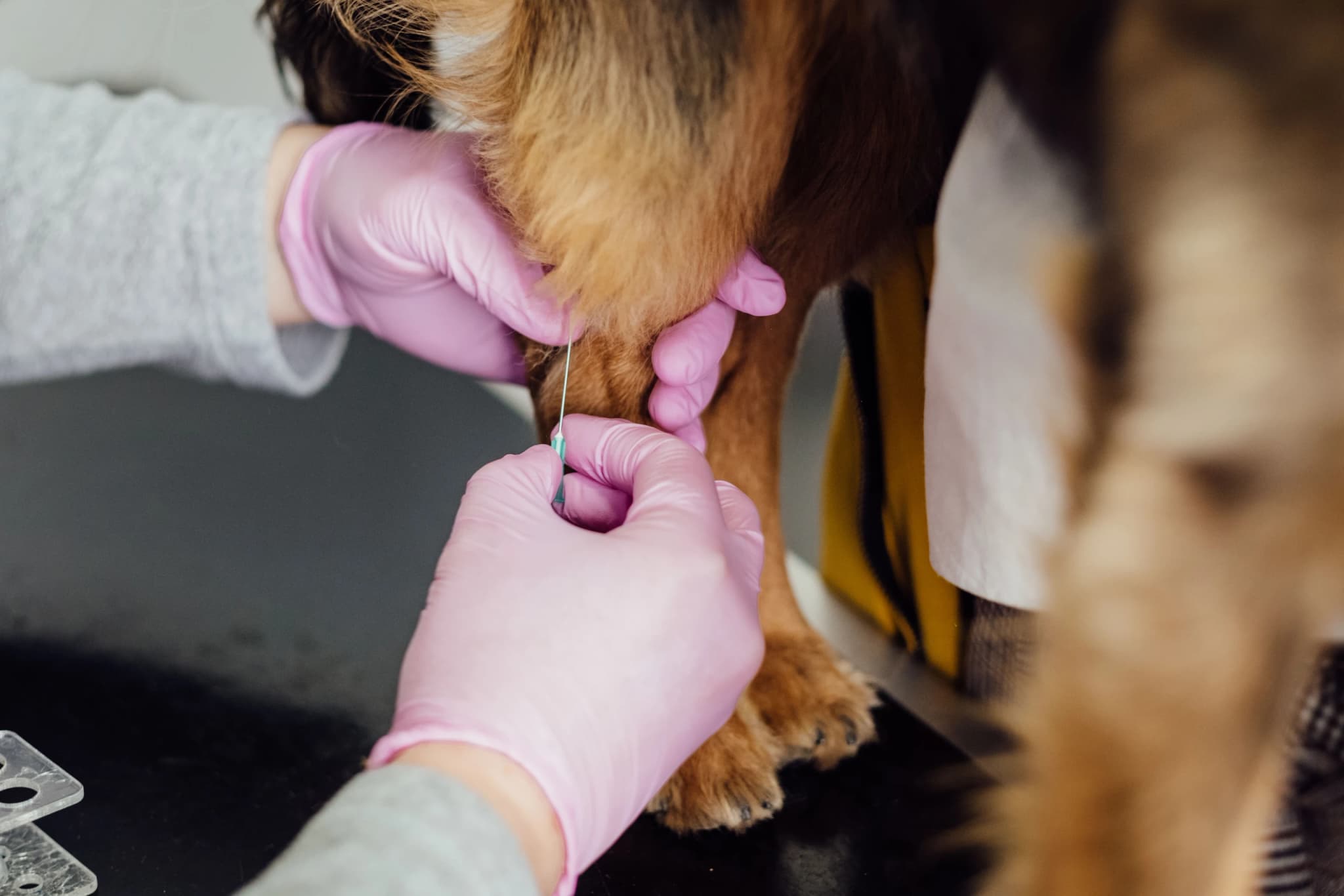
Every pet owner wants their pet to live a long and carefree life, but viruses, bacteria and parasites that spread in the wild can put this at risk. The World Small Animal Veterinary Association (WSAVA) and the European Committee for the Control of Parasites in Pets (ESCCAP) state in their guidelines that effective health protection requires two different approaches: vaccination provides reliable protection against certain serious infections, while regular drug-based control is required to prevent many parasites.
Most infectious diseases and parasites in dogs are preventable
freestocks.org
Loom24
Loom24
by Grete Isabel Huik
28.09.2026

Translated from Estonian

Vaccine helps against viral and bacterial infections

According to scientific research, dog vaccines are divided into two: there are core vaccines, which should be given to all dogs without exception, and additional vaccines, which are administered according to the animal's lifestyle and environment.

Core vaccines provide long-term and strong protection against life-threatening viral diseases such as distemper, parvovirus and infectious hepatitis, as well as rabies, which is also mandatory by law in Estonia. Among the additional vaccines, however, protection against kennel cough and leptospirosis is important. The latter is a dangerous bacterial disease that is mainly spread by rodents with their urine and that dogs easily pick up from puddles or water bodies. Since bacterial pathogens mutate and the immunity they produce is shorter, the leptospirosis vaccine, for example, needs to be repeated every year.

There are no vaccines against parasites.

Although science is advancing rapidly, effective vaccines against many parasites and protozoa have not yet been developed. The life cycle of parasites and their ability to hide in the animal's immune system are too complex for this.

In the case of external parasites, such as ticks and fleas, protection relies entirely on systemic control agents such as spot-ons, tablets or special collars. The active ingredients contained in them paralyze and kill the parasite before it can transmit Lyme disease or other pathogens to the pet. Similarly, there are no vaccines against internal parasites, such as roundworms, tapeworms and the protozoan Giardia, which is increasingly common in urban areas. Their prevention is based on regular anthelmintic prophylaxis, cleaning up feces and avoiding drinking from contaminated water bodies.

A well-thought-out protection plan ensures a carefree life

Veterinary research emphasizes that there is no one-size-fits-all solution to protecting your dog's health. A vaccination protocol and parasite control plan should always be discussed with your veterinarian, who will take into account your dog's age, exercise habits, and living environment. Only a systemic approach, where vaccines protect against serious viruses and medications protect against parasites, will ensure a long and fulfilling life for your dog.

From sources

The article is based on the WSAVA vaccination guidelines and the science-based recommendations of ESCCAP.


You may also like

Indoor cat outdoors: how to provide a safe change to the indoor environment?
Loom24

Indoor cat outdoors: how to provide a safe change to the indoor environment?

The decision to keep your cat indoors is usually made to protect it from accidents, infectious diseases, and other outdoor dangers. However, researchers at Cornell University's Feline Health Center say that a completely sedentary indoor lifestyle can easily lead to chronic boredom in your pet. The lack of mental and physical stimulation can lead to obesity, urinary tract infections, and inappropriate urination or scratching of furniture.
24.09.2026
Keeping a dog in the backyard or why pain-based fences create new behavioral problems
Loom24

Keeping a dog in the backyard or why pain-based fences create new behavioral problems

In Estonia and elsewhere in the world, attempts are often made to keep dogs within the boundaries of their own property using radio fences or flashing leashes. However, research by researchers at the University of Lincoln warns that aids based on pain or fright instead of providing quick results actually cause anxiety and new behavioral problems in the animal.
24.09.2026
How to introduce a new four-legged family member to your pet?
Loom24

How to introduce a new four-legged family member to your pet?

When a new pet arrives in the household, the existing animal inevitably becomes concerned about its territory and safety. Behavioral biologists from the universities of Lincoln and Bristol emphasize that the union of a dog and a cat requires patience from the owner, above all. However, a properly structured and calm introduction process helps to avoid panic and creates the prerequisites for a lasting and peaceful coexistence.
22.09.2026
Hidden pain in rabbits or how to spot health problems early
Loom24

Hidden pain in rabbits or how to spot health problems early

Animal welfare researchers from the University of Bern and Newcastle University explain that as prey animals, rabbits have evolved to hide their pain and signs of illness to the last possible extent. In the wild, a visibly weak or sick rabbit is easy prey for predators, which is why domestic rabbits only show signs of health problems when the disease has already become serious.
20.09.2026
How to choose a harness for a dog?
Loom24

How to choose a harness for a dog?

Biomechanical scientists from the University of Veterinary Medicine in Vienna and Nottingham Trent University explain that the shape and cut of a dog's harness directly affect the animal's stride length, joint health, and the load on the spine, so choosing a harness is not just a matter of appearance or the owner's comfort.
19.09.2026
Should you prefer dry food or raw food?
Loom24

Should you prefer dry food or raw food?

Veterinary nutrition researchers from the University of Helsinki and the University of California explain that a pet's food choices directly affect their gut microbiome, skin health, and immune system, but both popular feeding methods have their own clear benefits and risks.
15.09.2026
Hidden tensions in the same home: how cats get along when sharing a room
Loom24

Hidden tensions in the same home: how cats get along when sharing a room

Animal behavior researchers from the Universities of Copenhagen and Bristol explain that cats are not designed to live in dense packs, which is why hidden tensions often arise in multi-cat households that the owner may not notice at first glance.
11.09.2026
Why isn't chewing bones enough to maintain your pet's oral health?
Loom24

Why isn't chewing bones enough to maintain your pet's oral health?

Research from the University of Pennsylvania School of Veterinary Medicine and VetCompass warns that over 80 percent of dogs and cats three years of age and older suffer from periodontitis, or inflammation of the tissues surrounding the teeth, which, if left untreated, spreads to other organs through the bloodstream.
08.09.2026
Loneliness is a health risk: the social needs of guinea pigs and other small animals
Loom24

Loneliness is a health risk: the social needs of guinea pigs and other small animals

Studies by ethologists and veterinarians at the universities of Bern and Vienna confirm that guinea pigs, rabbits, and other small pets are highly social creatures, and keeping them without a companion causes them permanent physiological stress and significantly shortens their lifespan.
07.09.2026
Fear-free vet visit: how to save your pet from clinic stress?
Loom24

Fear-free vet visit: how to save your pet from clinic stress?

Studies by veterinary behavior scientists in the UK and the US show that nearly 80 percent of dogs and cats experience severe fear and anxiety at the vet, which not only affects the animal's well-being, but can also be directly reflected in the test results.
04.09.2026
It's worth familiarizing yourself with the health risks of different dog breeds before choosing a puppy.
Loom24

It's worth familiarizing yourself with the health risks of different dog breeds before choosing a puppy.

A large epidemiological study by the Royal Veterinary College of Great Britain warns that popular dog breeds come with specific health risks and characteristics that prospective owners should be aware of before bringing a puppy home.
02.09.2026
What do pets see in dreams?
Loom24

What do pets see in dreams?

Neurobiologists' brain activity studies confirm that the twitching of a sleeping pet's paws and quiet vocalizations are not mere muscle reflexes, but a sign that the animal is reliving its daily adventures in the REM sleep phase.
01.09.2026
Second Circle Dog: Rebuilding a Traumatized Dog's Trust
Loom24

Second Circle Dog: Rebuilding a Traumatized Dog's Trust

Research by ethologists at Eötvös Loránd University in Hungary confirms that, despite a difficult past, an adult dog's brain retains the ability to create a deep relationship of trust with a new owner and learn to perceive the world as safe again.
27.08.2026
Scientists take important step towards creating allergy-free cats
Loom24

Scientists take important step towards creating allergy-free cats

Scientists have succeeded in removing the main allergy-causing protein from cats' genes using "gene scissors," giving allergy sufferers hope of having a sneeze-free cat in the future.
24.08.2026
Choosing a responsible dog breeder: what to look for before getting a puppy?
Loom24

Choosing a responsible dog breeder: what to look for before getting a puppy?

Once the decision to bring a new family member into the house is firm, every future dog owner faces an important choice: whether to find a loyal friend, for example, from a shelter, or to turn to a breeder. If you decide on a purebred dog and a breeder, it is extremely important to do your homework and make sure that the puppy comes from a responsible breeder.
16.08.2026