
Eye contact and slow blinking
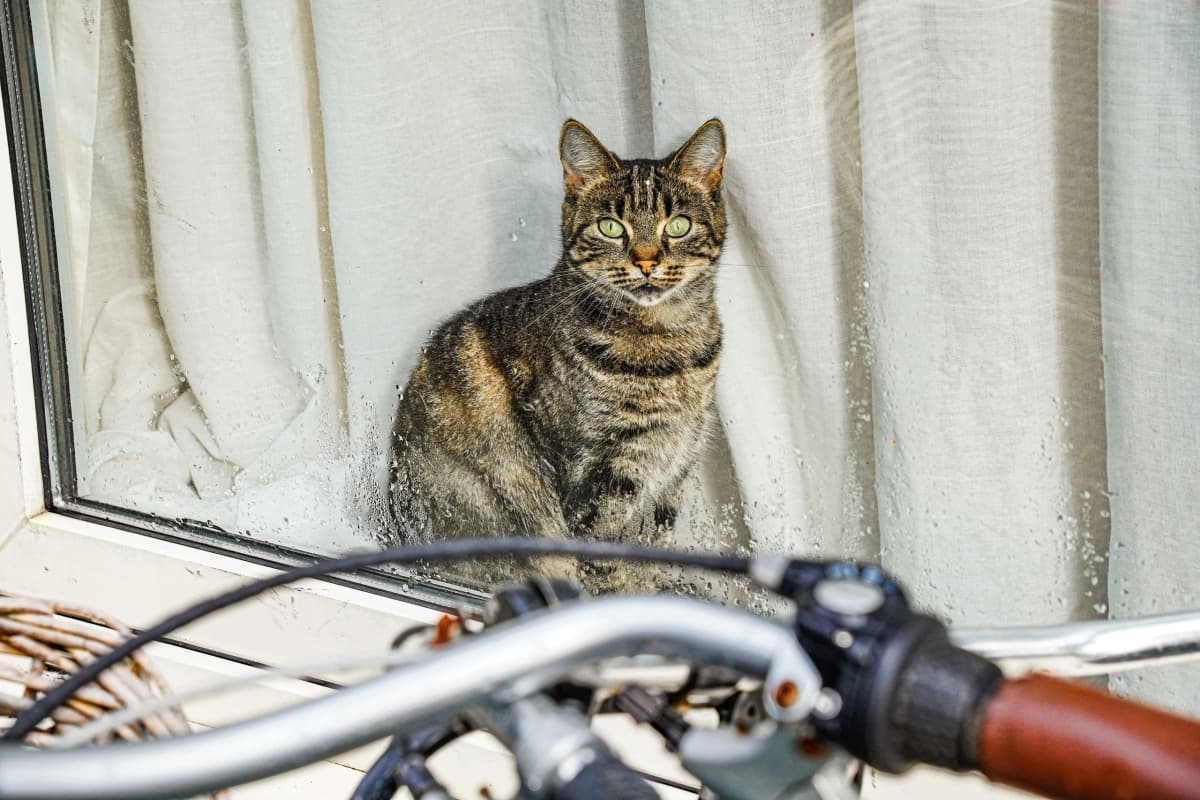
Slow blinking with half-closed eyelids indicates a cat's deep trust and affection. Research by behavioral scientists at the University of Sussex confirms that slow blinking acts as a positive communication signal between cats and humans, where the animal expresses satisfaction and expects an equivalent calming response. A cat that blinks slowly conveys a message that there is no threat in the environment. This calmness indicates a cat's readiness to relax and enjoy the environment.
An erect tail and a happy shiver
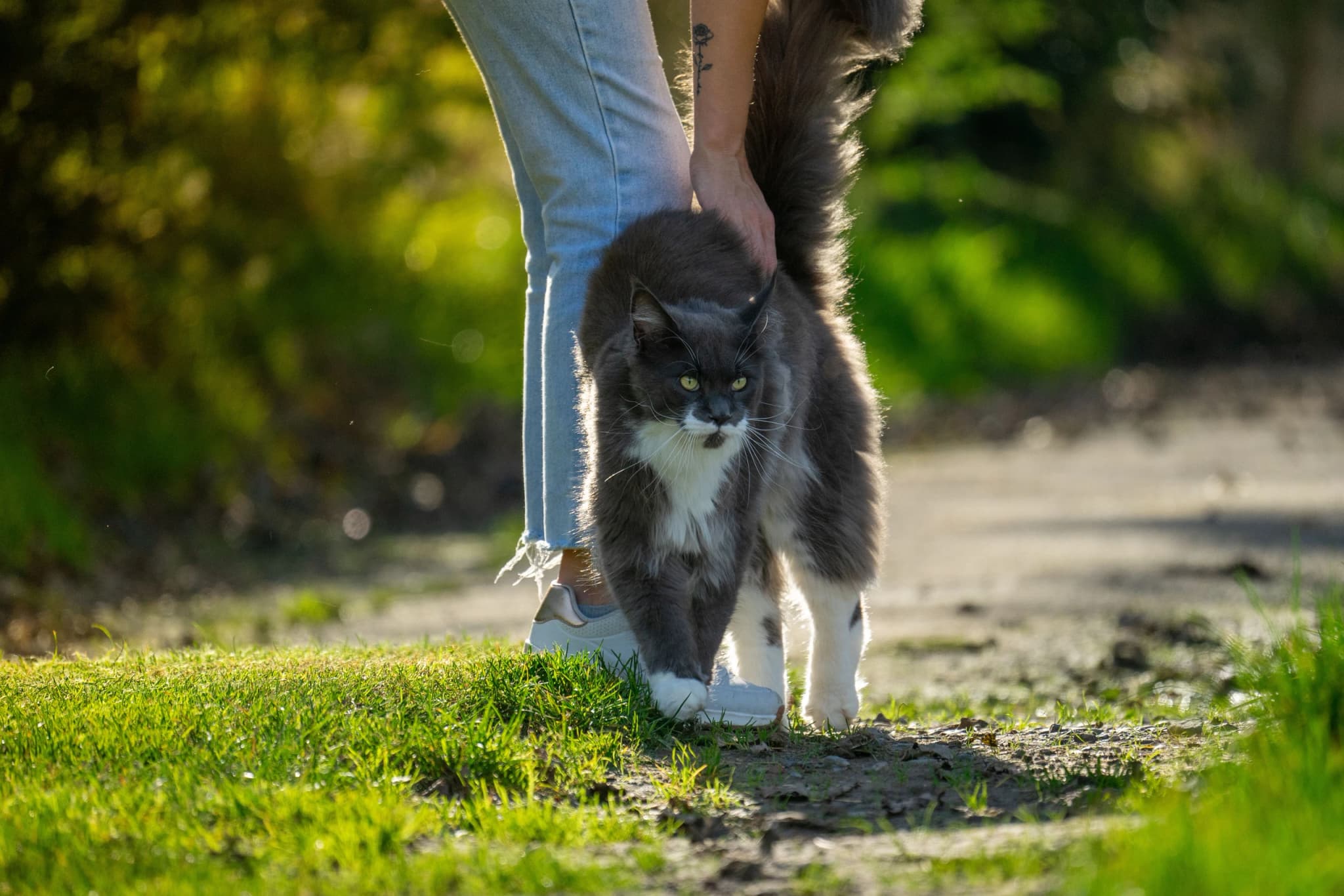
A cat's tail reflects the state of its nervous system and emotional state. A happy and confident cat's tail will be held vertically and the tip may be slightly hooked or slightly wiggly.
When meeting its owner, a tail that is wagging in an upright position expresses excitement and pleasure at the social contact. An upright tail position gives a clear signal to the surroundings that the cat is friendly and open.
Kneading, face rubbing, and spreading pheromones
Cats have special glands on their cheeks, chin, and paw pads that release calming pheromones. Rubbing their face against their owner's feet, hands, or furniture is a way for cats to mark their environment as safe and familiar.
The practice of pressing a soft surface with the paws dates back to the first months of a cat's life, when kneading stimulated the secretion of mother's milk. During kneading, the cat's brain releases endorphins, which bring about a feeling of relaxation and security in the animal.
Relaxed posture and signs of confidence
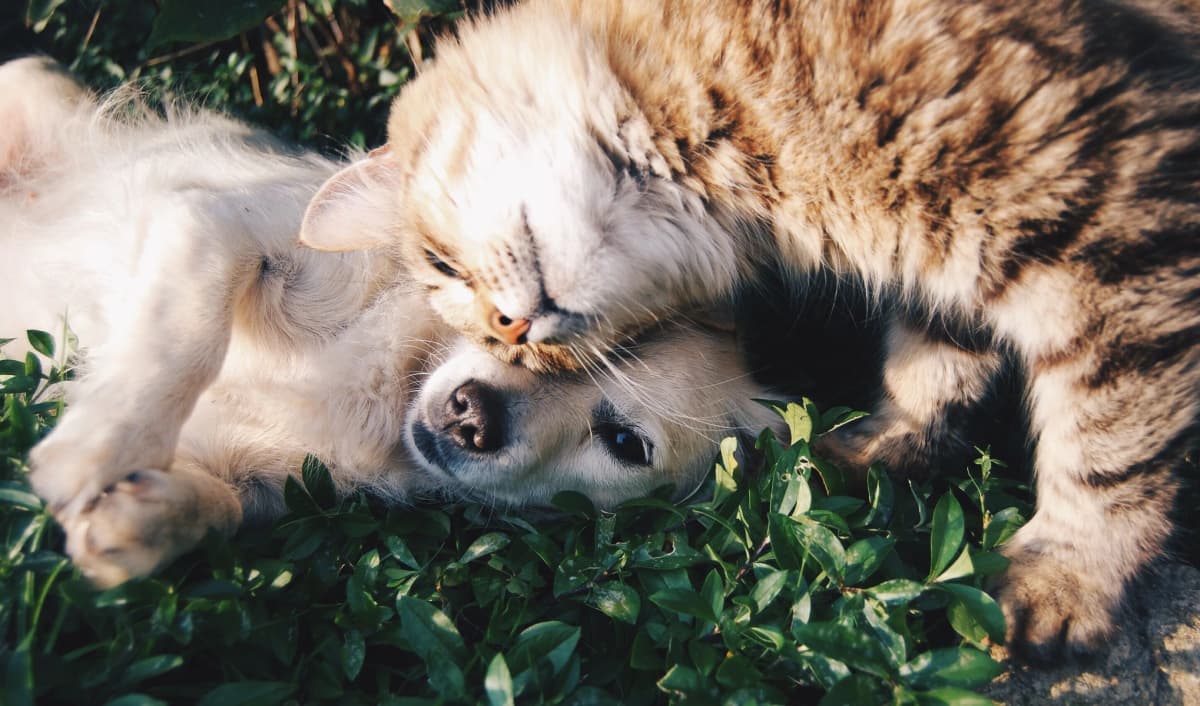
Since a cat's belly is the most sensitive part of its body, exposing it is an expression of feeling safe. A healthy and happy cat seeks contact, purrs, and is curious about its surroundings every day. A happy cat's muscles are relaxed, its ears are held forward, and its whiskers are held neutrally at the sides. Lying on its back and exposing its belly indicates complete trust in its surroundings and those nearby.
From sources
The article is based on behavioral biology research from the Universities of Sussex and Bristol, and cat welfare guidelines from the World Association of Small Animal Veterinarians and the International Society of Feline Medicine.