
Intrinsic differences in stress responses between cats and dogs
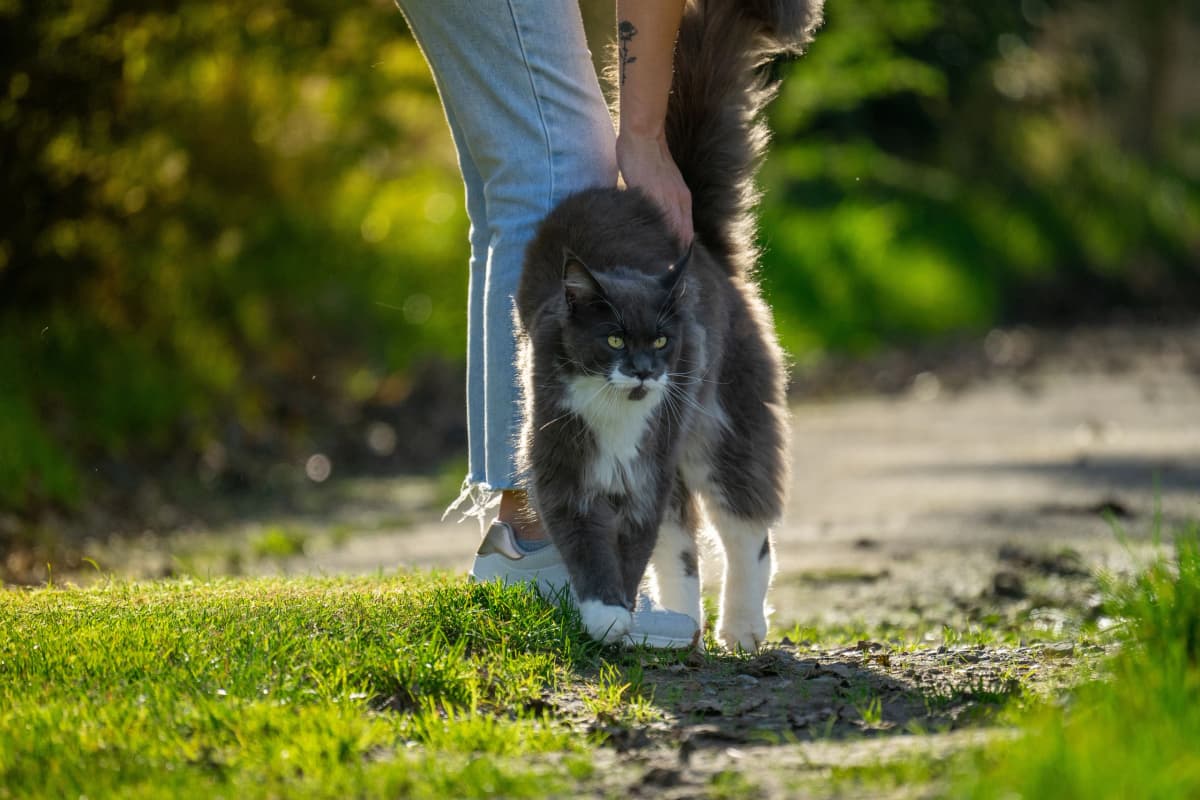
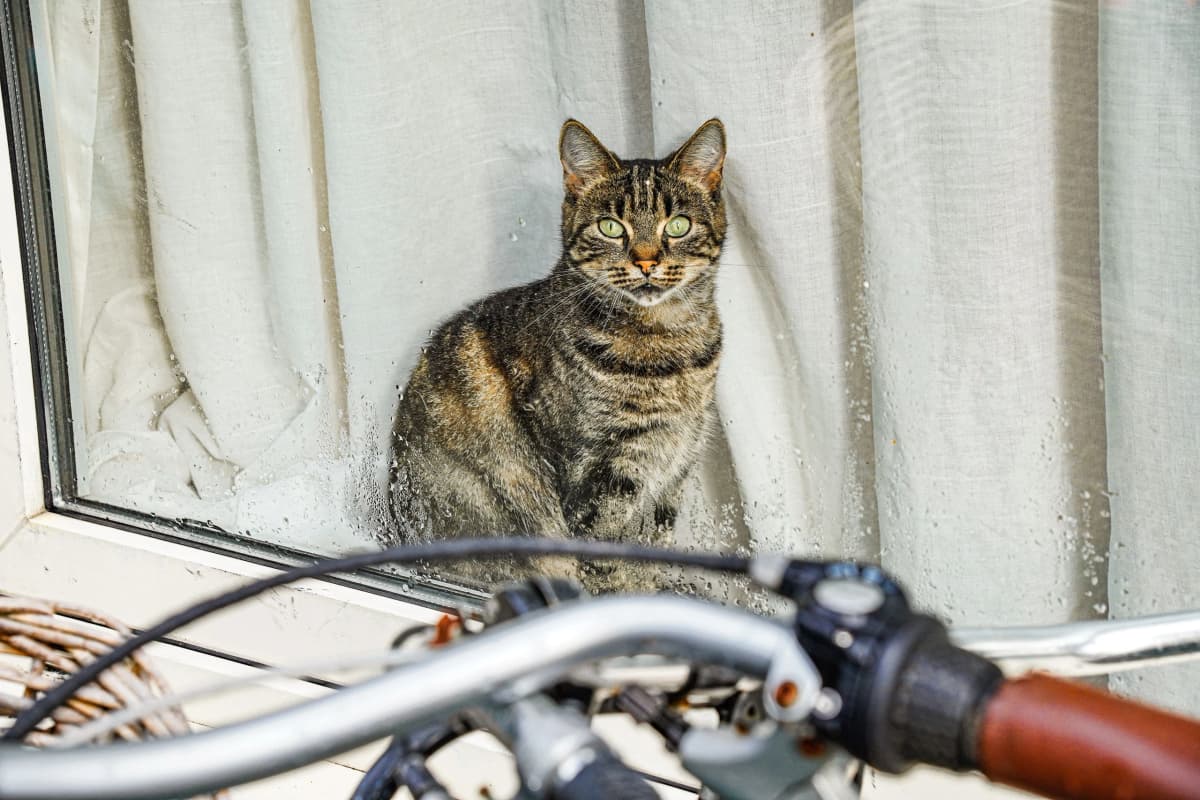
Cats are primarily territorial animals, whose sense of security depends directly on their home environment and the scent markers, or pheromones, secreted by skin cells and glands. Packing up and changing their environment disrupts secure scent trails, triggering the cat's need to hide, re-mark its territory, or refuse food.
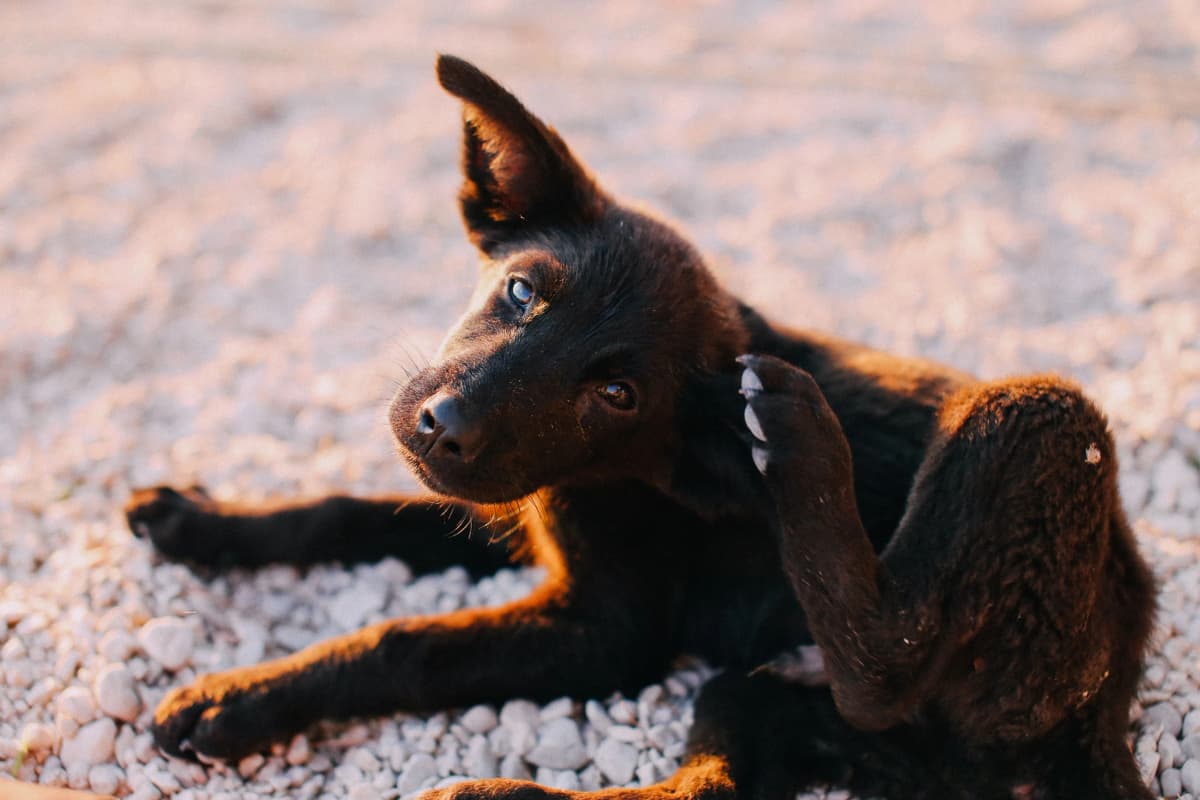
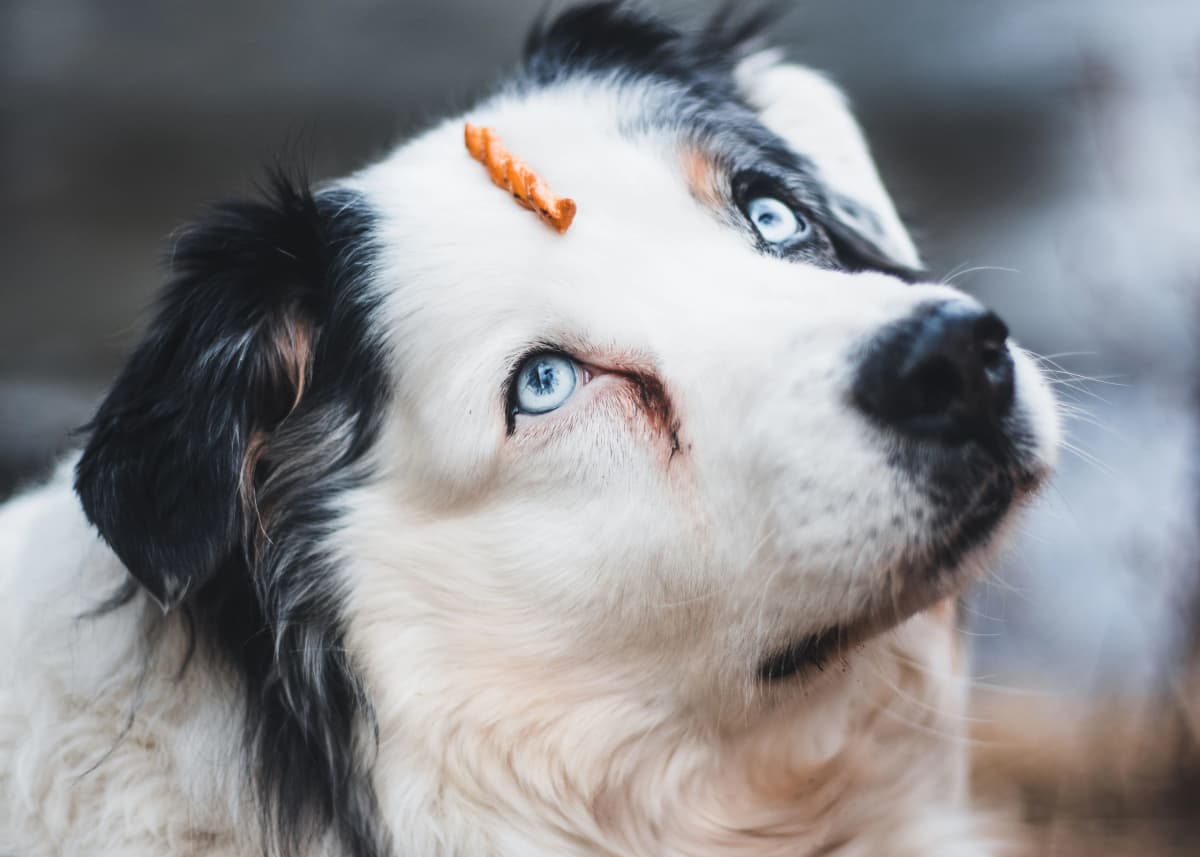
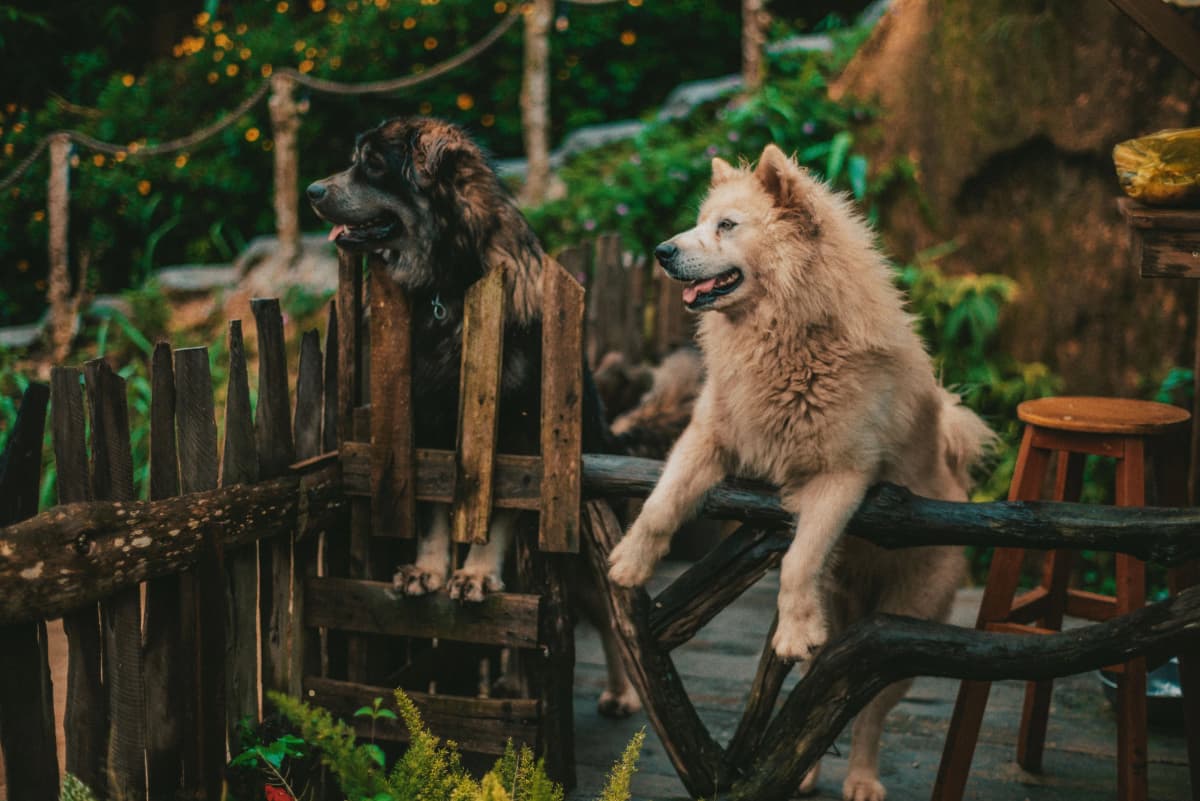
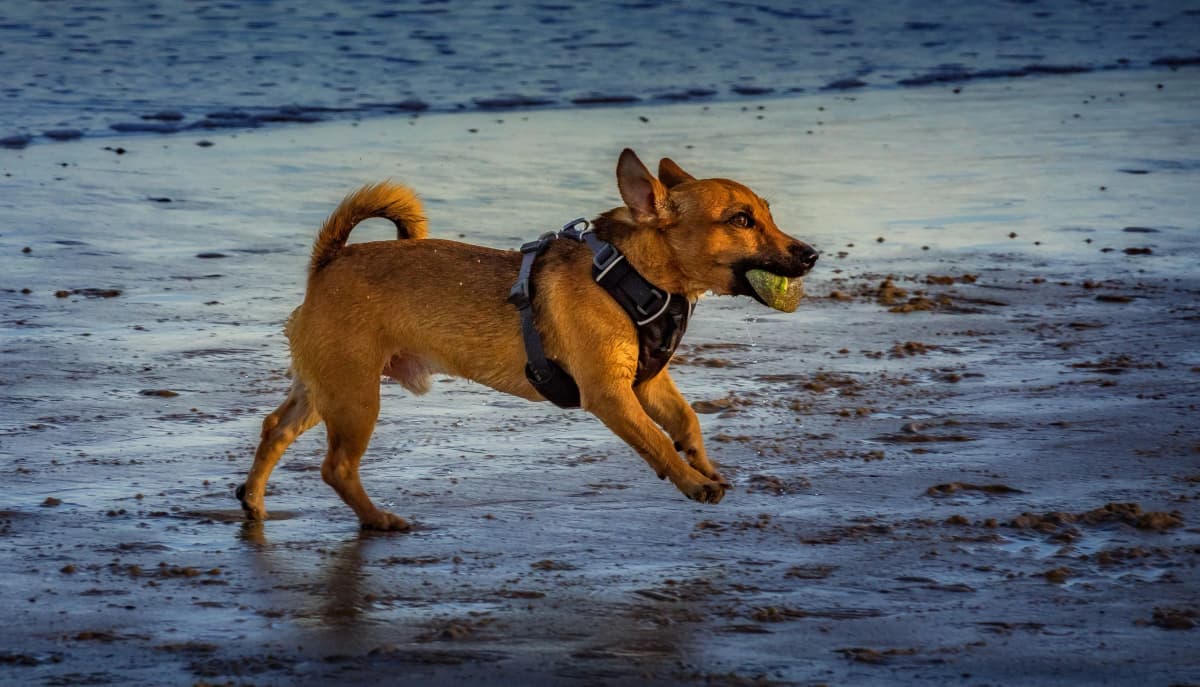
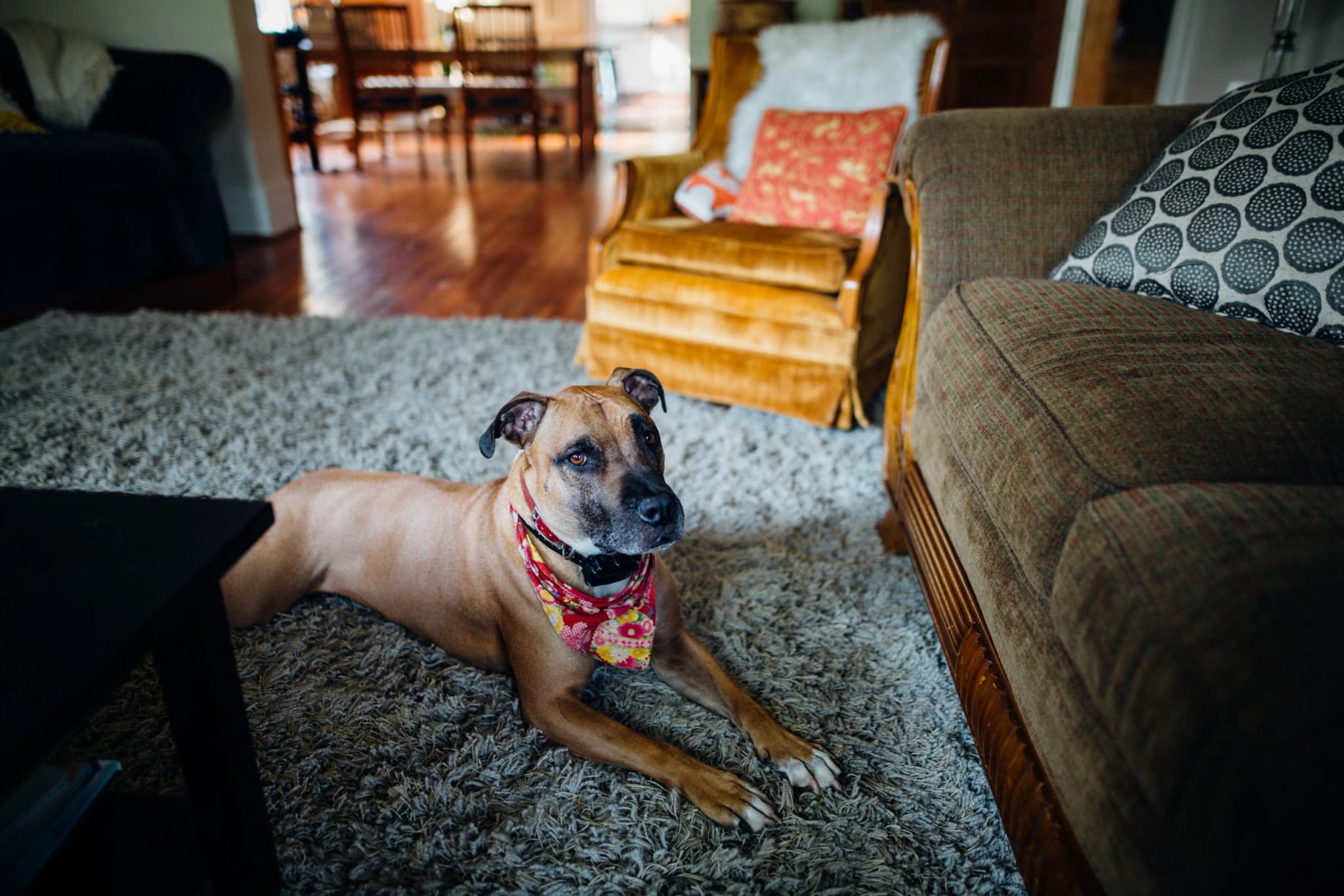
Dogs are social animals whose security is primarily based on the presence of family members and a well-established daily routine. Dogs react to the stress of their owner's move and to changes in habitual walks and feeding times, which manifests itself in howling, restless movement, or destructive behavior.
Moving preparation phase
Research shows that synthetic pheromones are effective in reducing the stress of moving. For cats, a Feliway diffuser, a facial pheromone analogue, is a good choice to help keep your cat calm both when packing up in their old home and when moving into new spaces. Adaptil for dogs, which mimics the calming pheromone of a mother dog, can be used as a collar or diffuser to help reduce fear in unfamiliar environments.
Safety and creating a safe zone on moving day
For example, due to the constant movement of furniture and boxes and the constant opening of doors, the hustle and bustle of moving day is the biggest source of danger and stress for animals. It is worth locking your pets in a quiet separate room with food, water and a litter box for the time being, or taking them to friends for care if possible.
When moving to a new apartment or house, a one-room strategy is used for cats. The cat is initially placed in one quiet room, where its familiar nest, litter box, and clothes from the old home await. Only when the cat behaves confidently in this room is access to the other rooms opened.
Maintaining routine and adjustment period
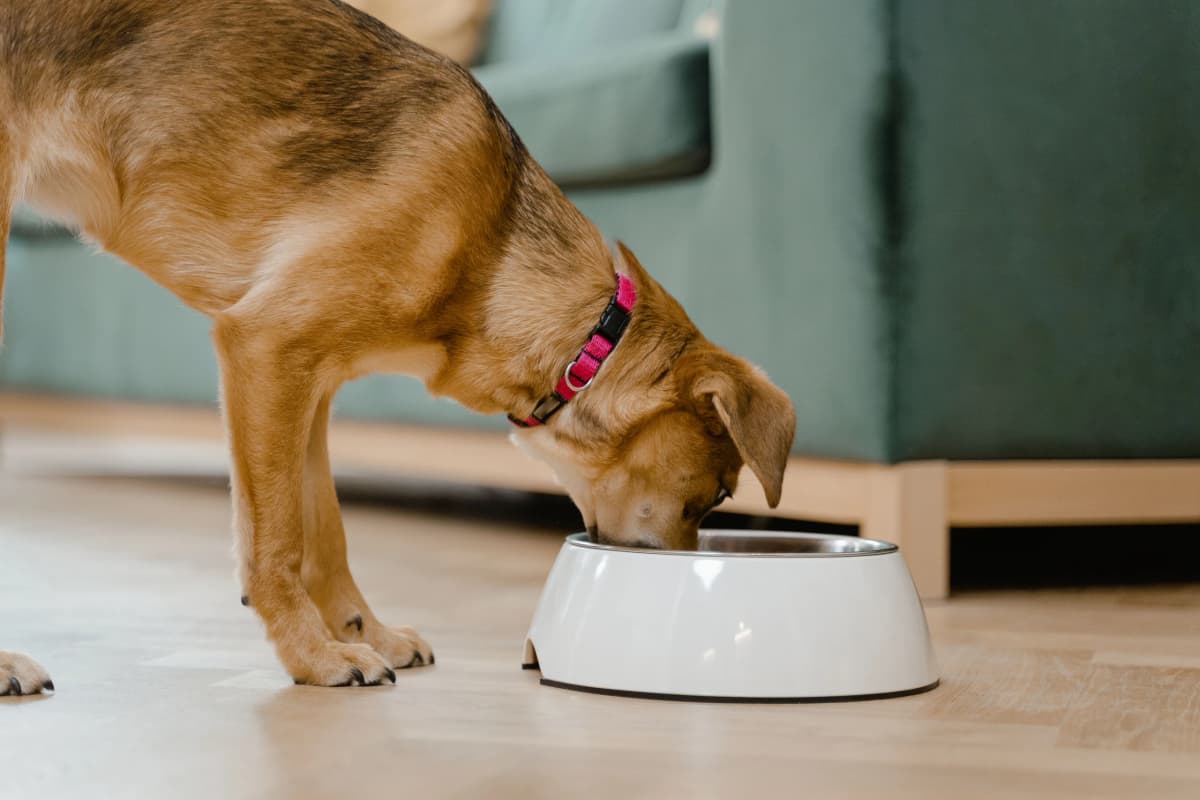
The key to a dog's rapid adaptation to a new environment is to strictly follow a daily routine. Walk times, feeding times, and playtimes should continue as usual, regardless of the number of boxes that have not yet been unpacked.
Cognitively taxing the brain with foraging games and licking mats stimulates the pet's nervous system and promotes the secretion of calming hormones. The adaptation period can take 2–6 weeks for cats and 1–2 weeks for dogs, during which both species require additional attention and understanding.
From sources
The article is based on the behavioral guidelines of the International Feline Medicine Society and clinical studies in small animal behavioral medicine at Cornell University's School of Veterinary Medicine.