
Smell recognition and spatial isolation
The first stage of introduction should be done without any visual contact. The new pet is placed in a separate room with all the necessary supplies, and the door is kept completely closed.
Animal behavior studies show that both dogs and cats form a first impression of another animal primarily through smell. Researchers recommend exchanging positions between the animals, using blankets or towels that have been used to stroke the animal's cheeks or back. At the same time, both animals are offered highly palatable treats or other pleasurable activities near the towel with the other party's scent, so that the brain associates the foreign smell with a positive emotion.
Controlled visual contact
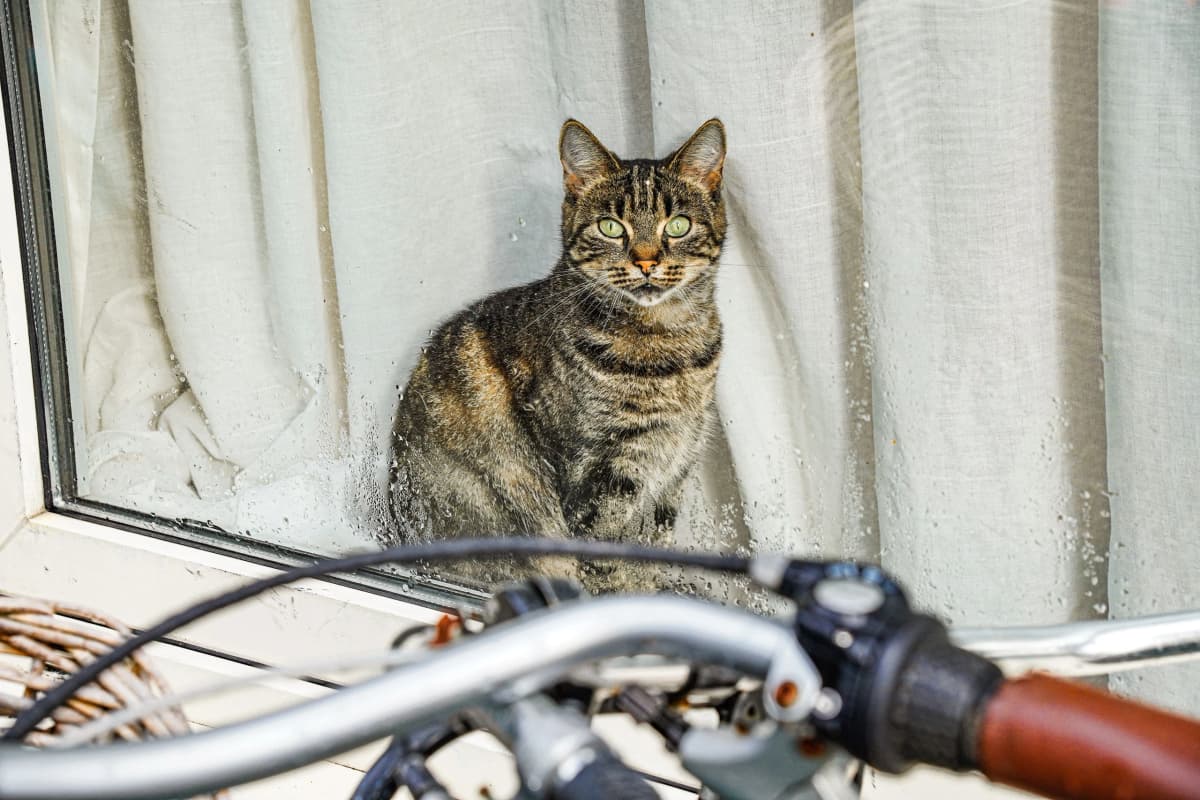
If both animals react to each other's scent completely calmly and without any signs of excitement or threat, you can move on to visual contact. To do this, a security gate or grille is installed in the doorway, which keeps the animals physically separate but allows them to see each other.
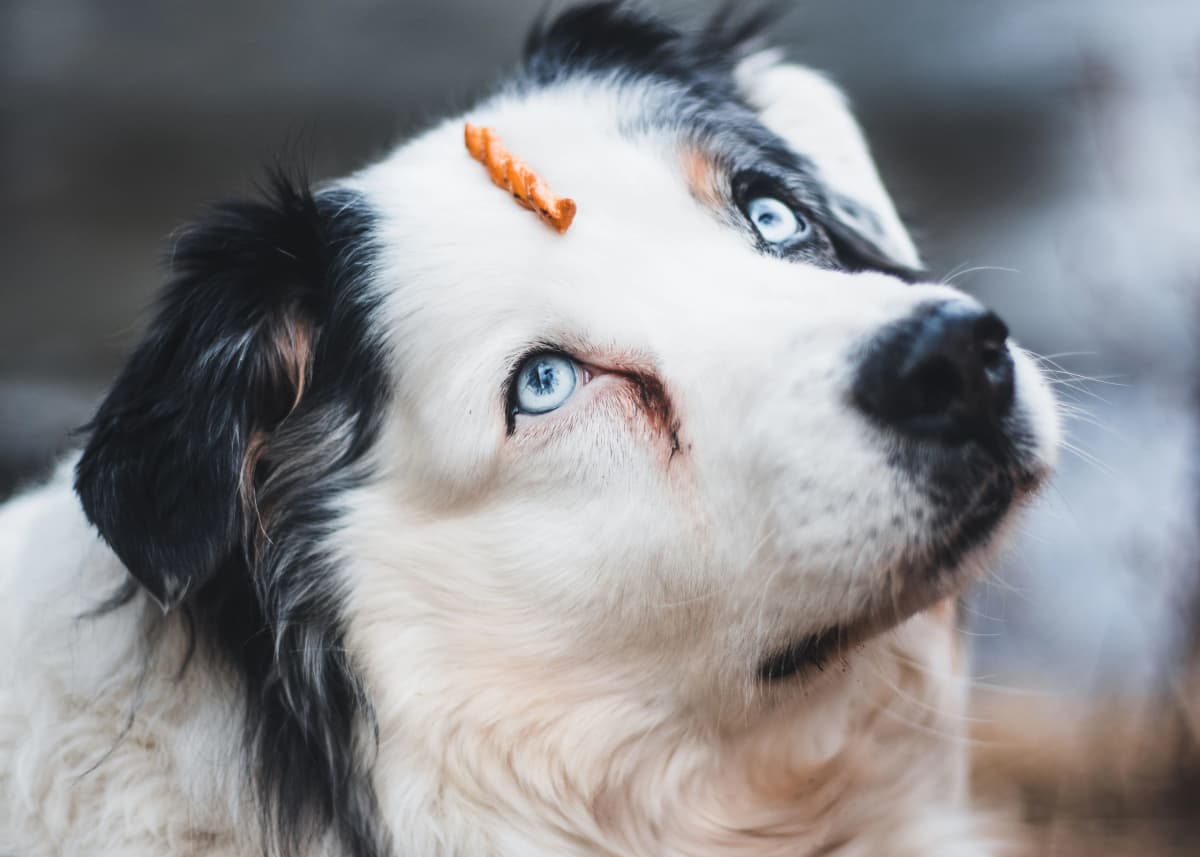
During this stage, the body language of both animals is closely monitored. If the dog's gaze becomes fixed on the cat or he starts to thrash about excitedly, his attention is immediately directed to the owner with a treat and a simple command. The cat is always given the opportunity to retreat higher or further away in the room so that he does not feel cornered.
The first meeting takes place on a leash
Direct encounters in the same room are only undertaken when the animals are able to eat and rest peacefully in each other's presence behind the partition. The first encounter is always done with the dog on a short leash and the cat having free access to a climbing tree, shelf or other elevated surface.
Veterinarians and behaviorists emphasize that a cat's sense of security depends on vertical space. When the cat has the opportunity to safely observe the dog from a height, its fear is reduced and the dog gets used to the cat's presence without chasing it. The dog is rewarded every time it looks at the cat and, after paying attention to it, seeks contact with its owner.
Separation of dining areas and essential supplies
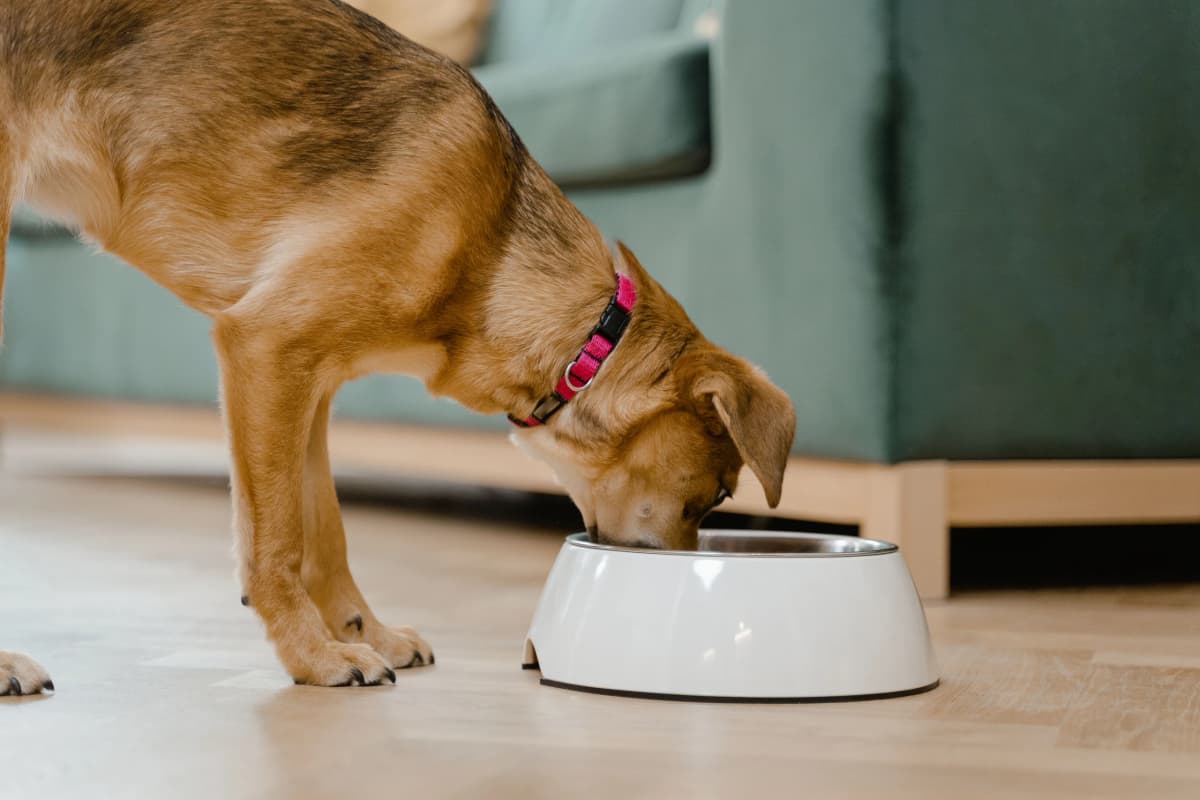
Even if a dog and cat get along well, food bowls and litter boxes can become sources of tension. Dog and cat bowls should be placed in completely separate rooms, or the cat bowl should be placed on a high surface where the dog cannot reach it.
The cat's litter box should also be placed in a place that the dog cannot reach, as the dog's curiosity or climbing around the litter box can cause anxiety in the cat and may lead to the cat giving up using the litter box. The animals should be introduced together with short sessions of a few minutes, and the animals should never be left in the same room unsupervised until both animals' behavior has become completely calm and predictable over the course of weeks.
From sources
The article is based on research published by the Animal Behavior Biology and Veterinary Medicine research groups at the University of Lincoln and the University of Bristol in the United Kingdom.