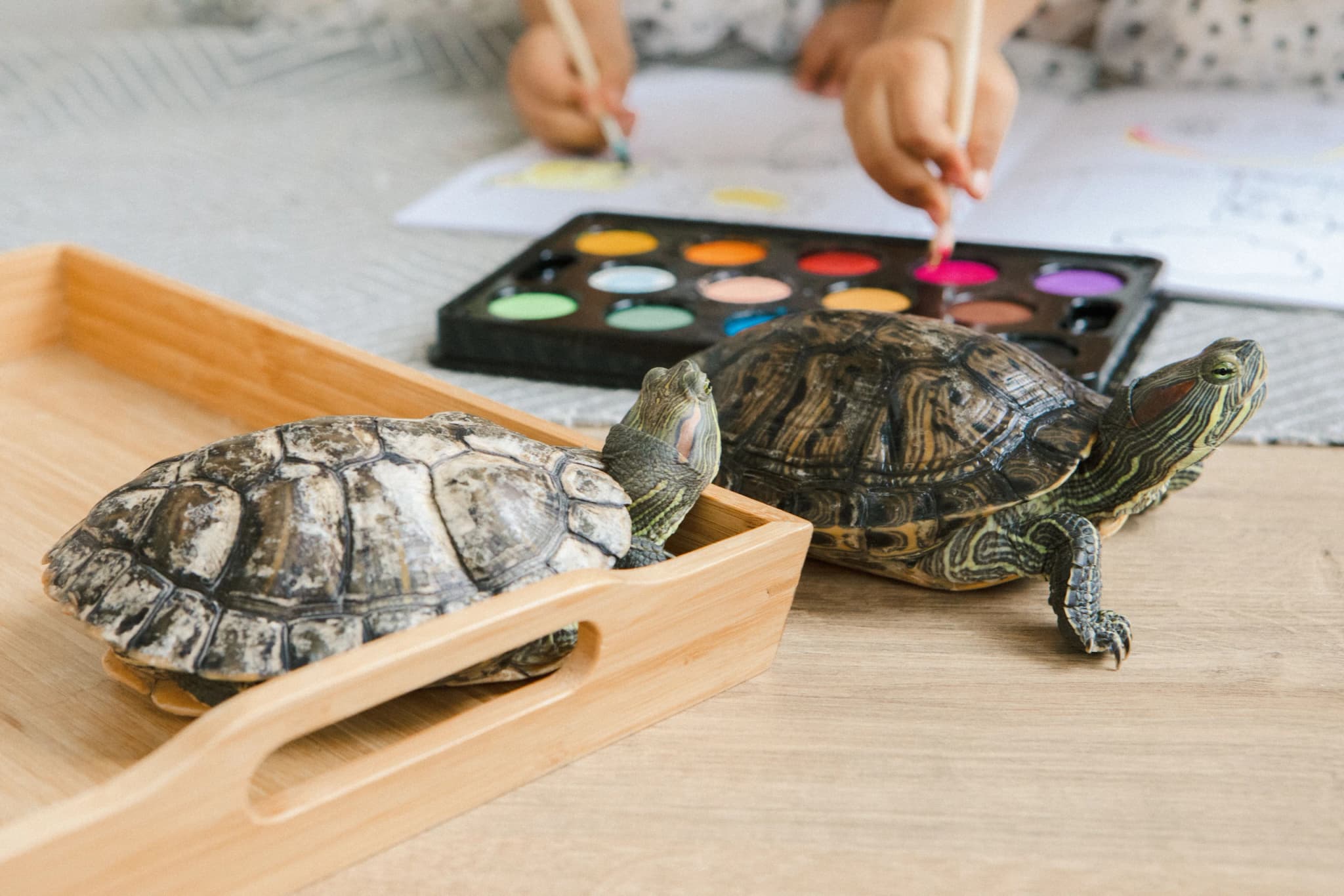

Turtles' extraordinary lifespan requires decades of dedication

Unlike most pets, properly cared for turtles can live as long as or longer than a human lifespan, making them a multi-generational liability. Turtles' slow metabolism and unique anatomy allow them to live to a very old age, but these same characteristics make them very vulnerable to environmental conditions.
Turtles' extraordinary lifespan requires decades of dedication
Ekaterina Bolovtsova
Loom24
Loom24
by Grete Isabel Huik
07.10.2026

Translated from Estonian

The biological benefits of a slow pace of life

Among the pets kept in the home, turtles are among the longest-lived creatures. The most commonly kept pets, the Greek tortoise and the four-toed tortoise, usually live to be 50–80 years old under the right living conditions, but specimens over a hundred years old have also been recorded. Aquatic turtles, such as the widespread red-eared slider, can easily reach 30–40 years of age with proper care.

The reason for their extraordinary longevity is that turtles have adapted to keep their metabolism and cell division extremely slow compared to mammals. Because their cells use up energy slowly, fewer toxic byproducts are produced when their bodies work. This significantly slows down the aging process in their tissues and allows them to survive longer periods of food and water deprivation.

The nature of the shield

One of the most common misconceptions is that the shell is like a house for the turtle to crawl out of. In fact, the shell of a turtle is a direct extension of its skeleton and spine – the spine and ribs have been fused to the outer bony plates during evolution.

The top layer of the shell is made of keratin, the same protein that makes up human nails and hair. Because the shell's skeleton and keratin layers contain a blood supply and nerve endings, the turtle can feel even the slightest touch, pressure, or injury to its shell.

Breathing and survival mechanisms

Because turtles have a rigid bony shell, their chests cannot expand when breathing like mammals. Instead, they use their abdominal muscles to breathe and create movement in their limb sockets, which helps push air into and out of their lungs.

Some species of water turtles are able to absorb a certain amount of oxygen directly through the mucous membrane of their cloaca while hibernating, or in oxygen-free water. This unique adaptation allows them to remain under the ice cover for months in the wild without ever coming to the surface to breathe air.

Ensuring longevity at home

Given their long lifespan, veterinarians emphasize that adopting a turtle as a pet requires careful consideration. Improper nutrition, insufficient UVB radiation, or too low an environmental temperature do not immediately indicate illness, but manifest as chronic damage to the animal's body that tends to go unnoticed for years.

From sources

The article draws on exotic animal physiology teaching materials from the University of Adelaide and the University of Illinois School of Veterinary Medicine, as well as studies on reptile longevity and anatomy from WSAVA and WAVMA.
You may also like

Biological break-in of an aquarium requires the nitrogen cycle to be fully activated before adding fish.
Loom24

Biological break-in of an aquarium requires the nitrogen cycle to be fully activated before adding fish.

The ecosystem of a new aquarium initially lacks beneficial bacteria that break down organic waste, so premature stocking of fish can cause a life-threatening ammonia explosion. During the break-in period, microflora is grown in the filter and bottom soil, which converts toxic excreta into compounds that are safe for the fish.
05.10.2026
The proportion of dog treats should be a maximum of one tenth of the daily food allowance.
Loom24

The proportion of dog treats should be a maximum of one tenth of the daily food allowance.

Rewarding your dog is a natural way for an owner to show their care, but improperly chosen or excessive treats can accelerate obesity in dogs and cause health concerns. To keep your pet in shape, you need to keep the amount of treats under control and prioritize safe foods.
02.10.2026
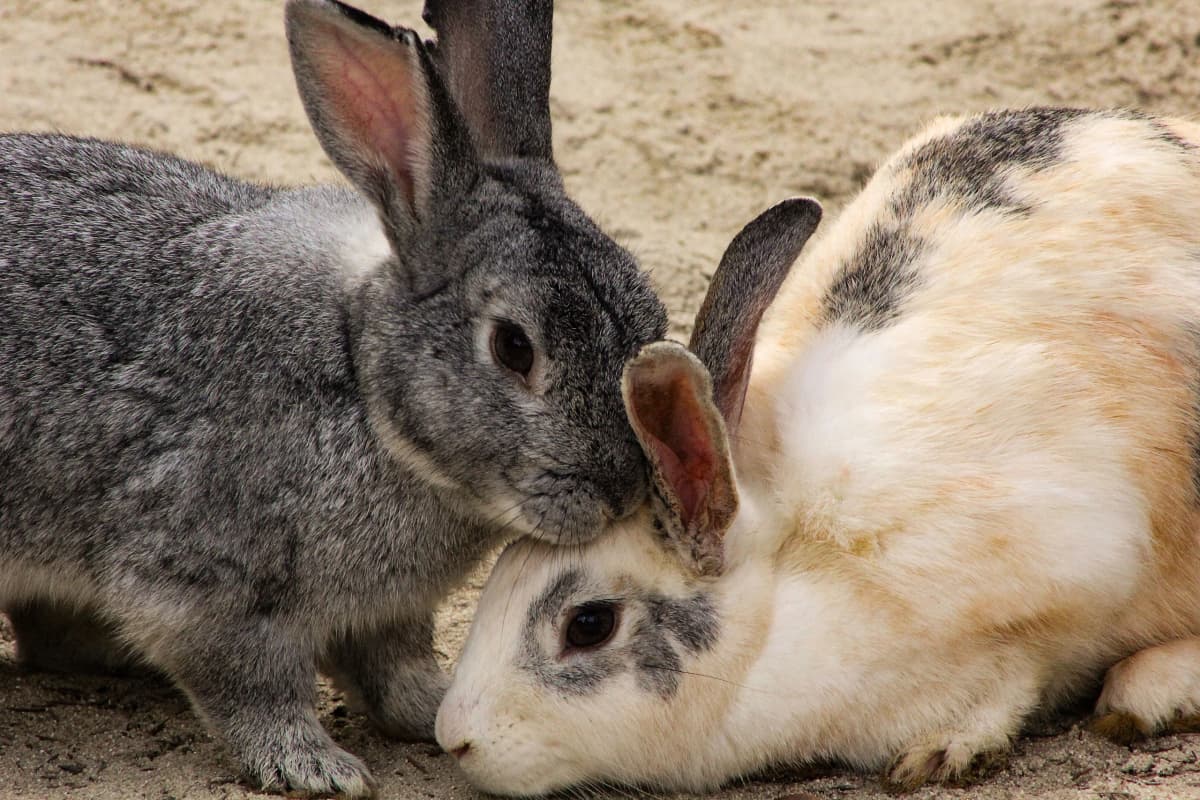
Rabbits living together or preventing conflicts and restoring relationships
Loom24

Rabbits living together or preventing conflicts and restoring relationships

In the wild, rabbits live in colonies, which means that domestic rabbits are also very social animals by nature. Pet welfare organizations and veterinarians conclude that a rabbit that lives with a companion rabbit has significantly lower stress levels than a rabbit that lives alone. However, you can't just put two rabbits in the same room or cage, as improper introduction can lead to serious fights and permanent injuries.
30.09.2026
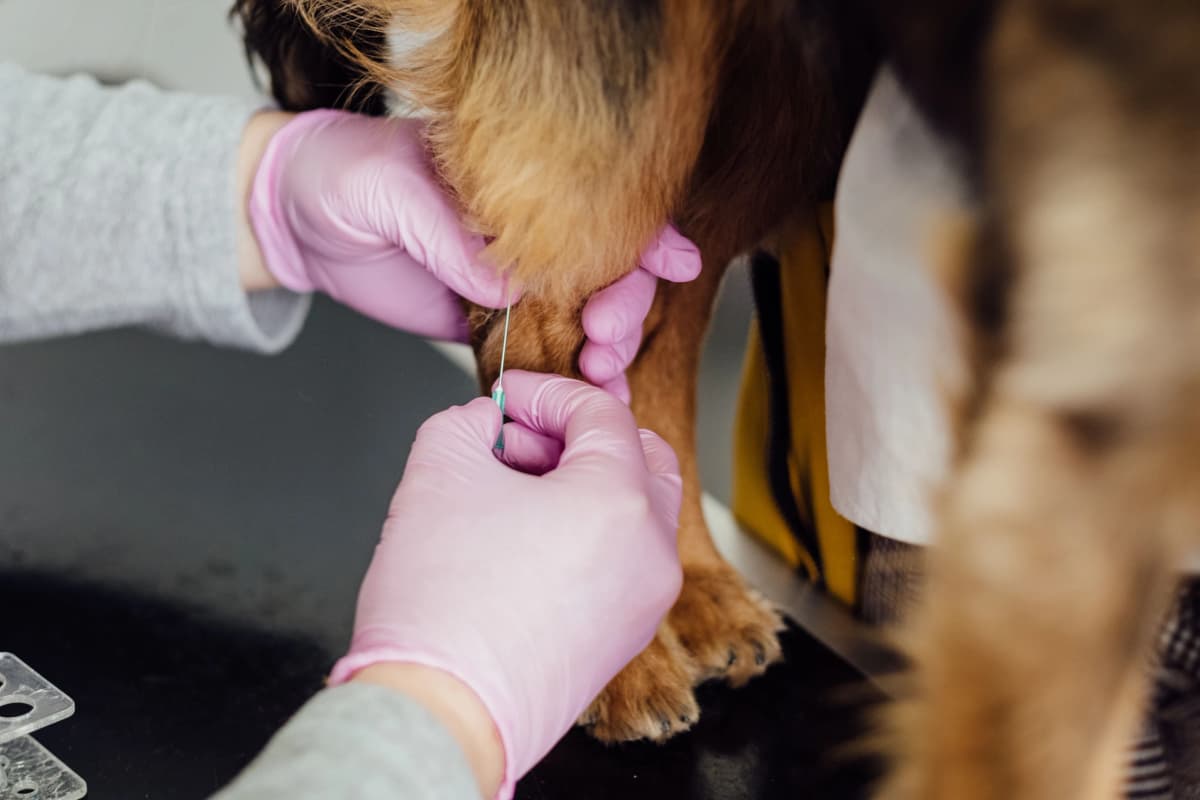
Most infectious diseases and parasites in dogs are preventable
Loom24

Most infectious diseases and parasites in dogs are preventable

Every pet owner wants their pet to live a long and carefree life, but viruses, bacteria and parasites that spread in the wild can put this at risk. The World Small Animal Veterinary Association (WSAVA) and the European Committee for the Control of Parasites in Pets (ESCCAP) state in their guidelines that effective health protection requires two different approaches: vaccination provides reliable protection against certain serious infections, while regular drug-based control is required to prevent many parasites.
28.09.2026
Indoor cat outdoors: how to provide a safe change to the indoor environment?
Loom24

Indoor cat outdoors: how to provide a safe change to the indoor environment?

The decision to keep your cat indoors is usually made to protect it from accidents, infectious diseases, and other outdoor dangers. However, researchers at Cornell University's Feline Health Center say that a completely sedentary indoor lifestyle can easily lead to chronic boredom in your pet. The lack of mental and physical stimulation can lead to obesity, urinary tract infections, and inappropriate urination or scratching of furniture.
24.09.2026
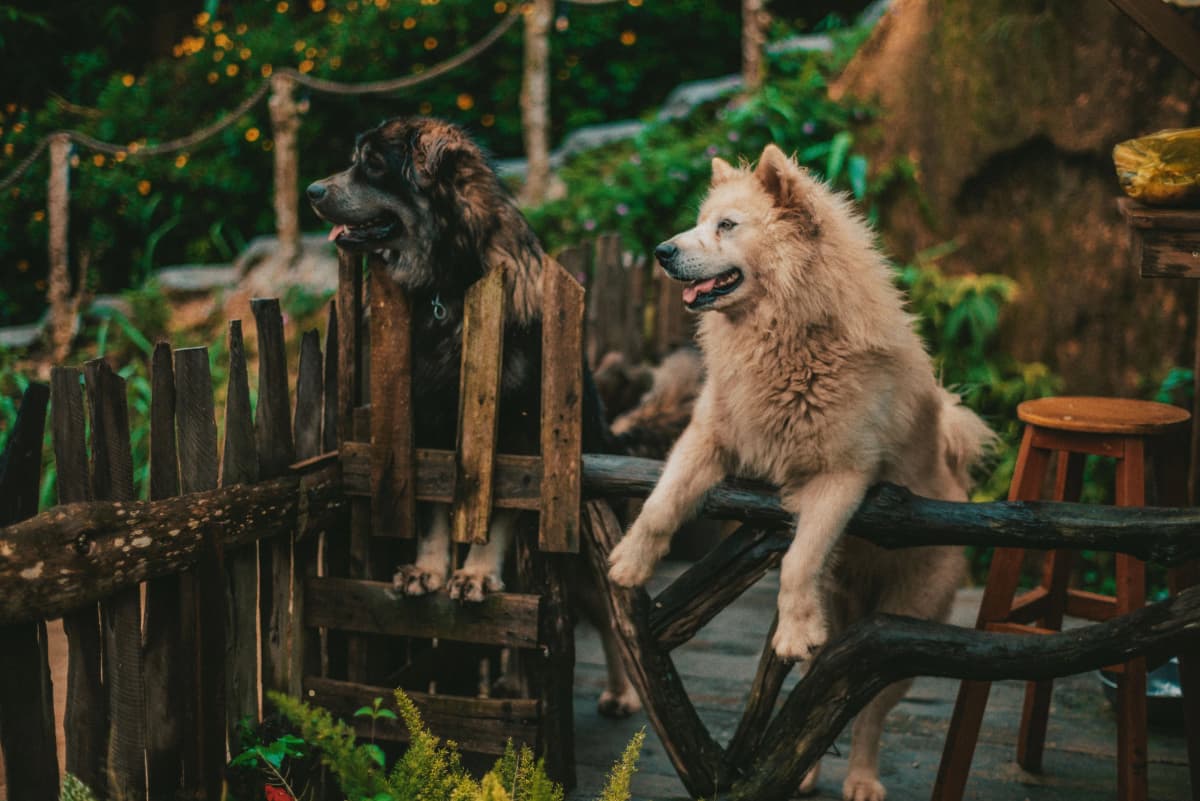
Keeping a dog in the backyard or why pain-based fences create new behavioral problems
Loom24

Keeping a dog in the backyard or why pain-based fences create new behavioral problems

In Estonia and elsewhere in the world, attempts are often made to keep dogs within the boundaries of their own property using radio fences or flashing leashes. However, research by researchers at the University of Lincoln warns that aids based on pain or fright instead of providing quick results actually cause anxiety and new behavioral problems in the animal.
24.09.2026
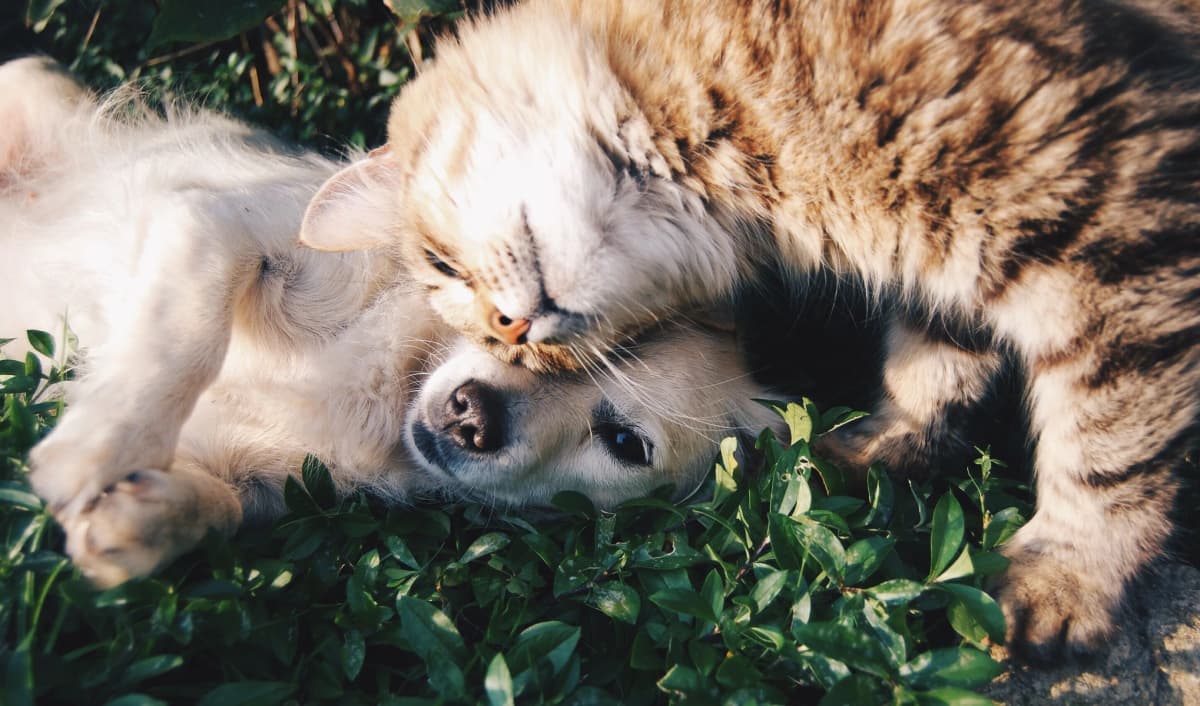
How to introduce a new four-legged family member to your pet?
Loom24

How to introduce a new four-legged family member to your pet?

When a new pet arrives in the household, the existing animal inevitably becomes concerned about its territory and safety. Behavioral biologists from the universities of Lincoln and Bristol emphasize that the union of a dog and a cat requires patience from the owner, above all. However, a properly structured and calm introduction process helps to avoid panic and creates the prerequisites for a lasting and peaceful coexistence.
22.09.2026
Hidden pain in rabbits or how to spot health problems early
Loom24

Hidden pain in rabbits or how to spot health problems early

Animal welfare researchers from the University of Bern and Newcastle University explain that as prey animals, rabbits have evolved to hide their pain and signs of illness to the last possible extent. In the wild, a visibly weak or sick rabbit is easy prey for predators, which is why domestic rabbits only show signs of health problems when the disease has already become serious.
20.09.2026
How to choose a harness for a dog?
Loom24

How to choose a harness for a dog?

Biomechanical scientists from the University of Veterinary Medicine in Vienna and Nottingham Trent University explain that the shape and cut of a dog's harness directly affect the animal's stride length, joint health, and the load on the spine, so choosing a harness is not just a matter of appearance or the owner's comfort.
19.09.2026
Should you prefer dry food or raw food?
Loom24

Should you prefer dry food or raw food?

Veterinary nutrition researchers from the University of Helsinki and the University of California explain that a pet's food choices directly affect their gut microbiome, skin health, and immune system, but both popular feeding methods have their own clear benefits and risks.
15.09.2026
Hidden tensions in the same home: how cats get along when sharing a room
Loom24

Hidden tensions in the same home: how cats get along when sharing a room

Animal behavior researchers from the Universities of Copenhagen and Bristol explain that cats are not designed to live in dense packs, which is why hidden tensions often arise in multi-cat households that the owner may not notice at first glance.
11.09.2026
Why isn't chewing bones enough to maintain your pet's oral health?
Loom24

Why isn't chewing bones enough to maintain your pet's oral health?

Research from the University of Pennsylvania School of Veterinary Medicine and VetCompass warns that over 80 percent of dogs and cats three years of age and older suffer from periodontitis, or inflammation of the tissues surrounding the teeth, which, if left untreated, spreads to other organs through the bloodstream.
08.09.2026
Loneliness is a health risk: the social needs of guinea pigs and other small animals
Loom24

Loneliness is a health risk: the social needs of guinea pigs and other small animals

Studies by ethologists and veterinarians at the universities of Bern and Vienna confirm that guinea pigs, rabbits, and other small pets are highly social creatures, and keeping them without a companion causes them permanent physiological stress and significantly shortens their lifespan.
07.09.2026
Fear-free vet visit: how to save your pet from clinic stress?
Loom24

Fear-free vet visit: how to save your pet from clinic stress?

Studies by veterinary behavior scientists in the UK and the US show that nearly 80 percent of dogs and cats experience severe fear and anxiety at the vet, which not only affects the animal's well-being, but can also be directly reflected in the test results.
04.09.2026
It's worth familiarizing yourself with the health risks of different dog breeds before choosing a puppy.
Loom24

It's worth familiarizing yourself with the health risks of different dog breeds before choosing a puppy.

A large epidemiological study by the Royal Veterinary College of Great Britain warns that popular dog breeds come with specific health risks and characteristics that prospective owners should be aware of before bringing a puppy home.
02.09.2026