
The attachment system persists into adulthood
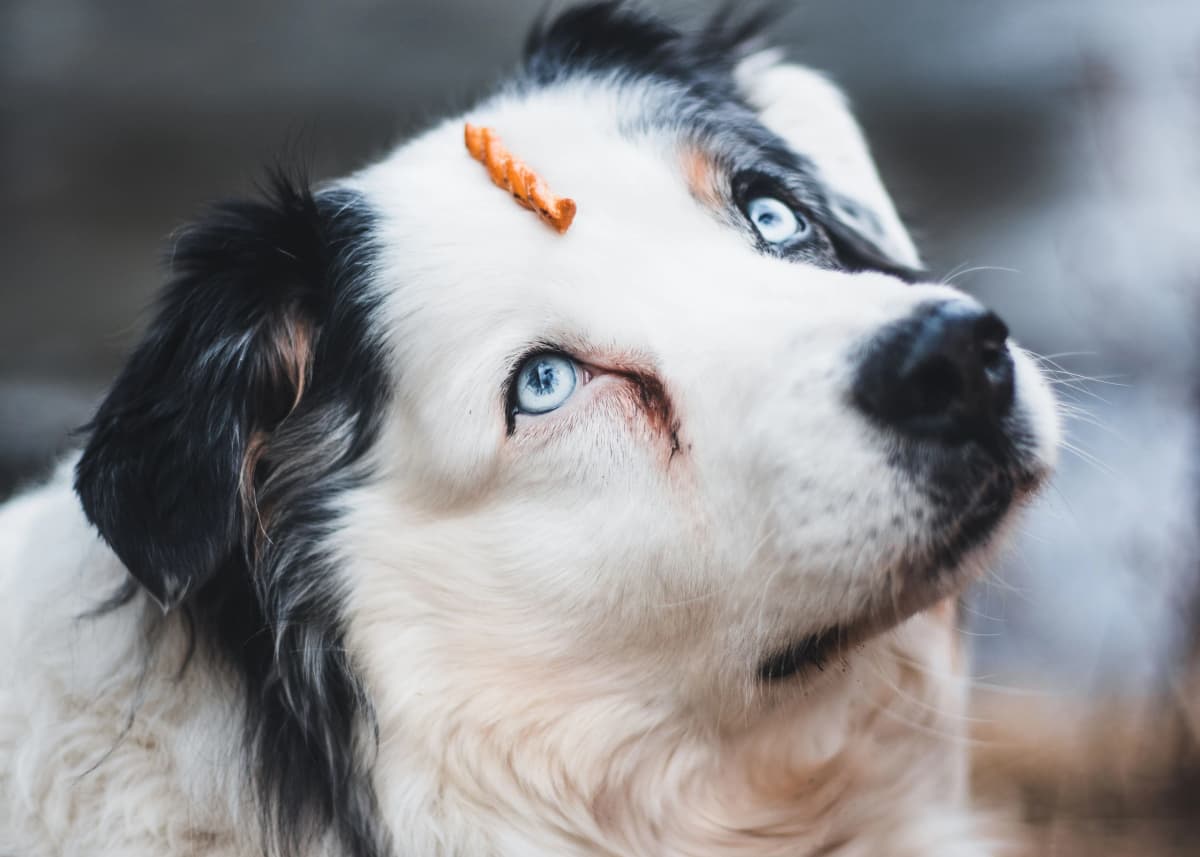
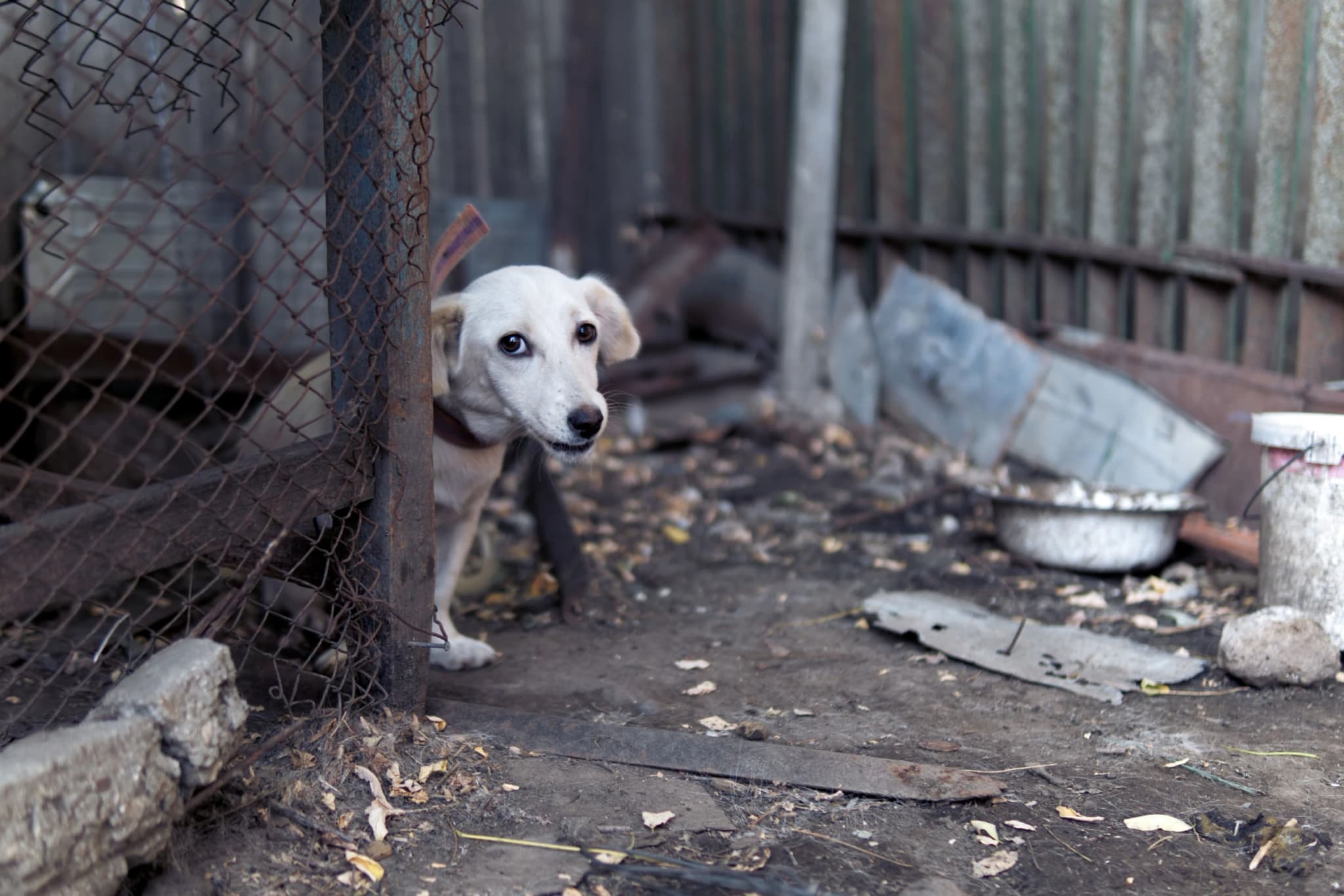
Animal behavior scientists observed the behavior of shelter dogs in their new homes and analyzed their reactions in a so-called stranger situation test. The experiments revealed that the dog's attachment system is surprisingly flexible. Adult and traumatized dogs begin to consider a new owner as a so-called secure base within the first few weeks, provided that the owner's behavior is predictable and reassuring.
The researchers also dispelled the common myth that deep and lasting attachment can only be formed during puppyhood. The attachment relationship of second-generation dogs to their new owners develops at a different pace and requires more emotional stability, but over time it reaches the same level of strength as dogs raised in the same family from an early age.
Sensitivity to the emotions of a fellow human being
Dogs with difficult backgrounds are significantly more sensitive to human emotional signals, body language, and tone of voice than their counterparts with a carefree past. Research confirms that punishment, physical correction, or an excessively strict tone of voice are extremely harmful to an animal that has been hurt in its past life – they instantly break down the trust it has built and increase the dog's anxiety.
Social learning works best for these dogs through emotional reflection and positive reinforcement. If the owner remains calm and assertive in stressful situations, the dog learns that the environment is safe. Food, encouraging words, and clear leadership help the dog make new, positive connections to the world.
Separation anxiety and its prevention
Because dogs who have experienced abandonment often develop a fear of being left alone again, they experience separation anxiety more often than usual. Researchers emphasize that a dog that has arrived in a new home should not be given too much uninterrupted attention at first, which should be sharply limited later.
To prevent separation anxiety, ethologists recommend starting to practice being alone in very small steps in the first few weeks. Short trips to another room and calm departures and arrivals help the dog understand that the owner's absence is temporary and that he will not abandon him when he returns.
About the author
The article is based on research conducted by researchers from the Department of Ethology at Eötvös Loránd University ( ELTE ) (M. Gácsi, Á. Miklósi et al.), which has been published in the scientific journal Applied Animal Behaviour Science .