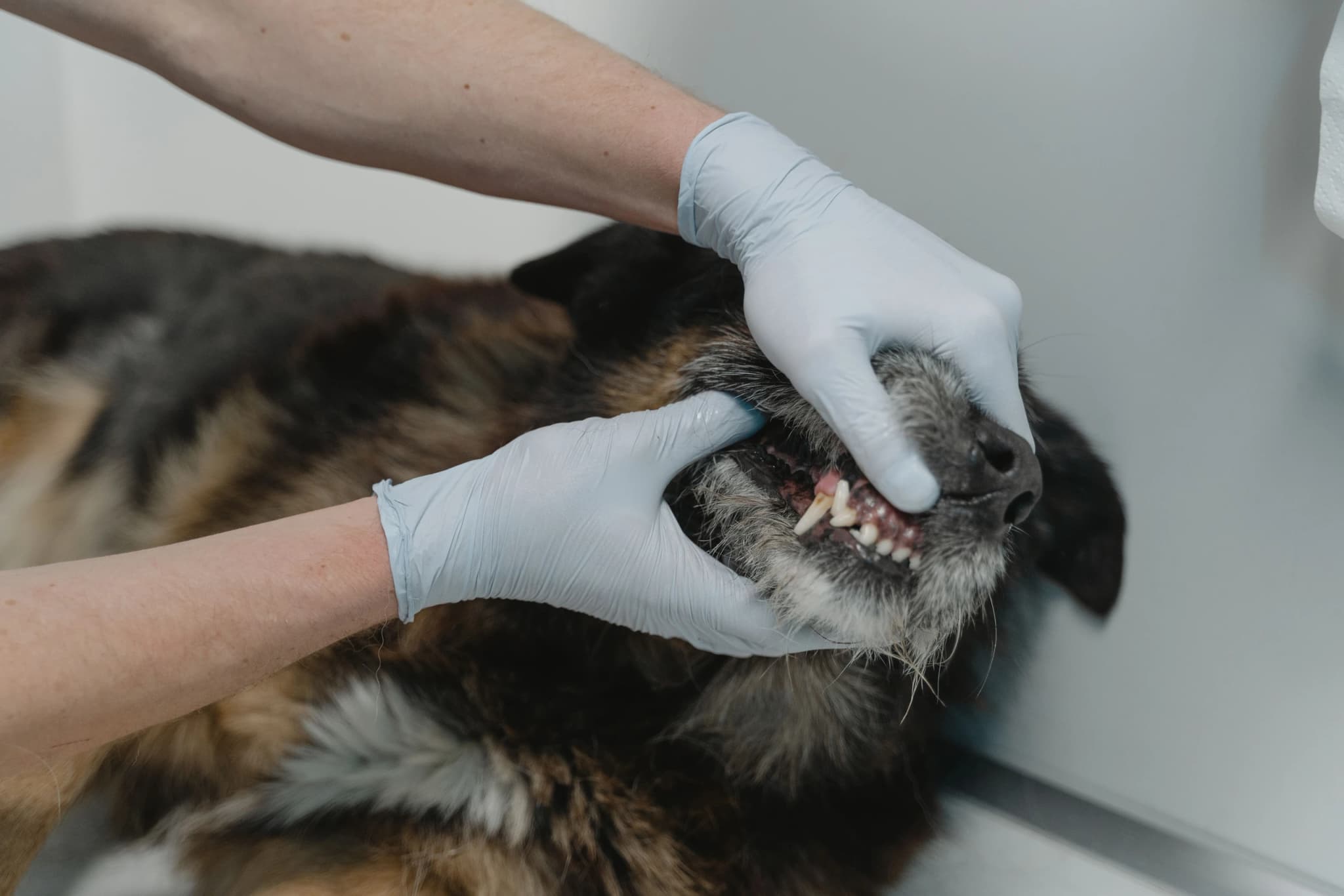

Dental problems are a threat to internal organs
Dental disease in animals begins with plaque forming on the surface of the teeth, which over time hardens and turns into tartar due to the minerals found in saliva. Tartar causes gingivitis, which manifests as red, swollen, and easily bleeding gums and causes the animal constant and hidden pain.
Veterinary studies confirm that bacteria from the inflamed oral cavity can enter the animal's bloodstream directly through the gums. Long-term bacterial mass in the blood supply primarily damages the heart valves, liver, and kidneys, which can lead to organ failure and significantly shorten the pet's vitality and lifespan.
The myth of bones and dry food as dental cleaners
There is a common misconception among owners that chewing on bones or eating regular dry food will keep their pet's teeth clean. While chewing on hard objects helps to mechanically remove some plaque from the top surface of the teeth, it never reaches the gum line or into the gum pockets, where the most dangerous bacterial plaque accumulates.
Scientists and veterinarians also note that chewing on bones that are too hard, such as beef bones or buffalo chews, poses a high risk of breaking teeth. Carnivores' molars are adapted for cutting, not crushing, bone, so systematic chewing on bones often leads to erosion of tooth enamel and painful exposure of the pulp.
Maintaining your pet's oral health
To prevent oral diseases and ensure your pet's long-term well-being, veterinarians recommend following a science-based care routine by brushing your pet's teeth daily or at least a few times a week with a special pet toothbrush and enzymatic toothpaste, as mechanical brushing is the only effective way to remove plaque before it hardens.
It is also important to emphasize preventive check-ups and have your pet's oral cavity carefully assessed by your veterinarian at least once a year during a routine health check-up. If necessary, the clinic will perform a professional dental cleaning under general anesthesia, which allows for the safe and painless removal of tartar, even below the gum line, where damage develops most quickly.
From sources
The article is based on data published by the VetCompass research program of the University of Pennsylvania School of Veterinary Medicine and the Royal Veterinary College of the United Kingdom.