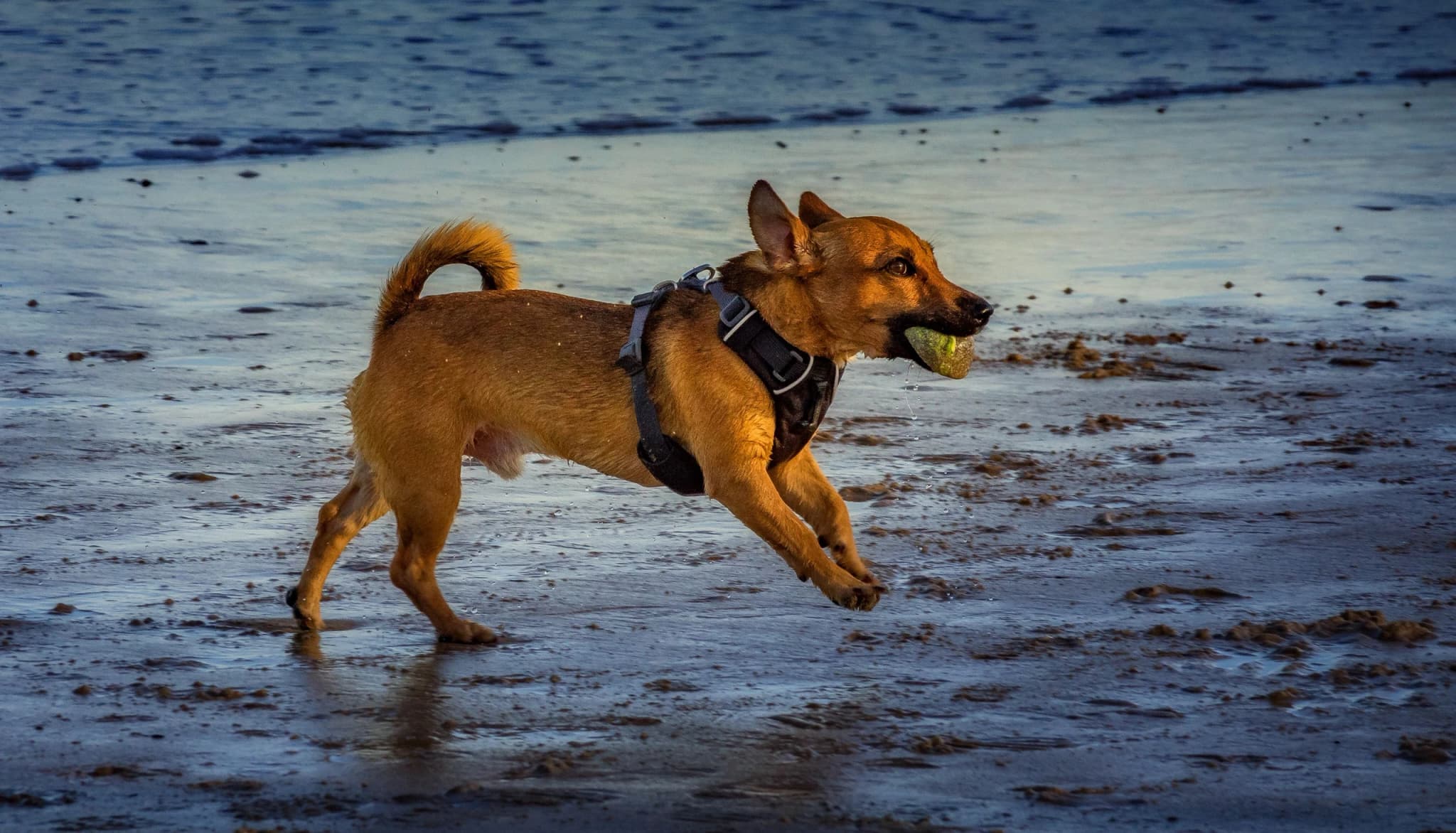

How to choose a harness for a dog?

Biomechanical scientists from the University of Veterinary Medicine in Vienna and Nottingham Trent University explain that the shape and cut of a dog's harness directly affect the animal's stride length, joint health, and the load on the spine, so choosing a harness is not just a matter of appearance or the owner's comfort.
How to choose a harness for a dog?
Ray Bilcliff
Loom24
Loom24
by Grete Isabel Huik
19.09.2026

Translated from Estonian

Risks of a collar and the biomechanical advantage of a brace

A dog's neck contains vital organs such as the thyroid gland, vocal cords, esophagus, and large carotid arteries. Research from Nottingham Trent University shows that when a collar is pulled, all the pulling force is concentrated on a very small area, creating a dangerously high peak load on the cervical vertebrae and larynx.

Such constant or sudden pressure on blood vessels significantly increases intraocular pressure, which is especially dangerous for breeds with eye diseases or short muzzles, or brachycephalic breeds. However, well-fitting braces distribute the force of pulling evenly across the dog's strong ribcage and sternum, sparing the delicate neck area.

T-shaped braces and limited range of motion

The widespread T-shaped braces, with a horizontal strap running directly across the dog's sternum and upper arm, are under close scrutiny by veterinarians and physical and exercise therapists.

3D motion analyses conducted at the University of Veterinary Medicine in Vienna showed that a horizontal strap running across the sternum mechanically limits the protrusion of the scapula and the extension of the shoulder joint. In order to avoid the uncomfortable pressure of the strap against the upper arm, the dog unconsciously shortens its stride by up to 15 percent. Long-term changes in the gait pattern and limited range of motion create chronic tension in the muscles of the scapula and can lead to premature wear of the joints.

Particularly dangerous are anti-pull T-braces that attach to the chest strap and turn the pulling dog's body unnaturally to the side. This constant turning changes the dog's center of gravity and causes uneven twisting of the spine and hip joints.

Y-shaped braces and natural freedom of movement

According to scientists, Y-shaped or so-called ergonomic braces primarily support the ergonomics and physiological needs of animals. The straps of Y-braces run from the neck to the sternum and form a Y when viewed from the front, leaving the shoulder joints and shoulder blades completely free.

Movement studies confirm that a well-fitted Y-braces preserves the dog's natural range of motion and stride length at walk, trot, and run. Because the straps do not press on the upper arms or cut into the neck, the dog can move exactly as they would without the braces.

How to choose the right Y-braces?

Researchers and physiotherapists emphasize that even with Y-shaped braces, the correct size and fit to the dog's body are critically important.

The front joint should be located exactly on the sternum. If the collar straps are too loose or wide, they can shift onto the throat and still press on the windpipe when pulled.

The abdominal strap should be a sufficient distance behind the front legs. The sacrum and abdominal part of the brace should be at least 3-4 finger widths away from the armpits of the front legs so that the straps do not cut into the sensitive underarm tissues and lymph nodes during movement.

The width of the leashes should match the size and strength of the dog. Too narrow leashes can cut into the dog when pulled, while too wide and stiff leashes can inhibit the free movement of a smaller dog.

From sources

The article is based on research published by the Biomechanics Laboratory at the University of Veterinary Medicine in Vienna ( Veterinärmedizinische Universität Wien ) and the Animal Physiology and Behavioral Sciences research groups at Nottingham Trent University in the UK.
You may also like

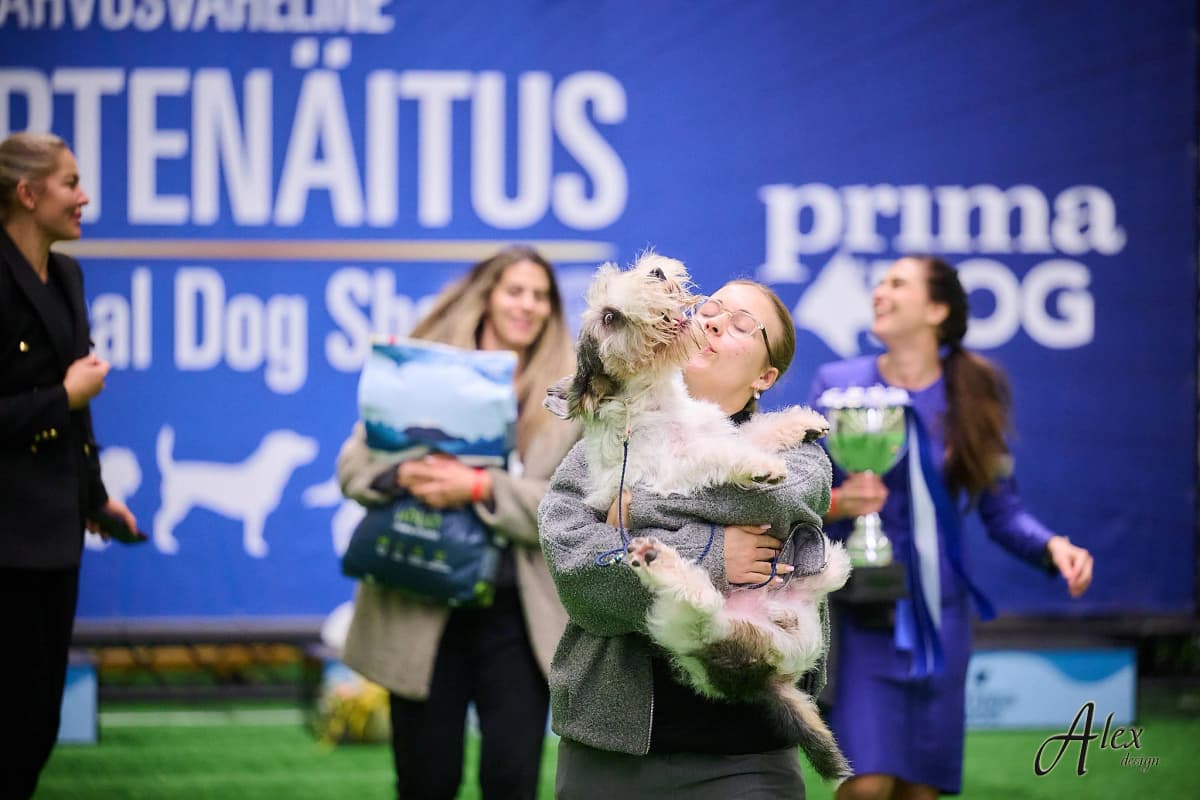
The most beautiful pedigree dogs are arriving in Tallinn again
Loom24

The most beautiful pedigree dogs are arriving in Tallinn again

This weekend you can spend three enjoyable days in Tallinn with dogs and discover your favorite among 240 different breeds. From October 16 to 18, the Estonian Kennel Club will organize three international dog shows at the EJL Football Hall.
12.10.2026
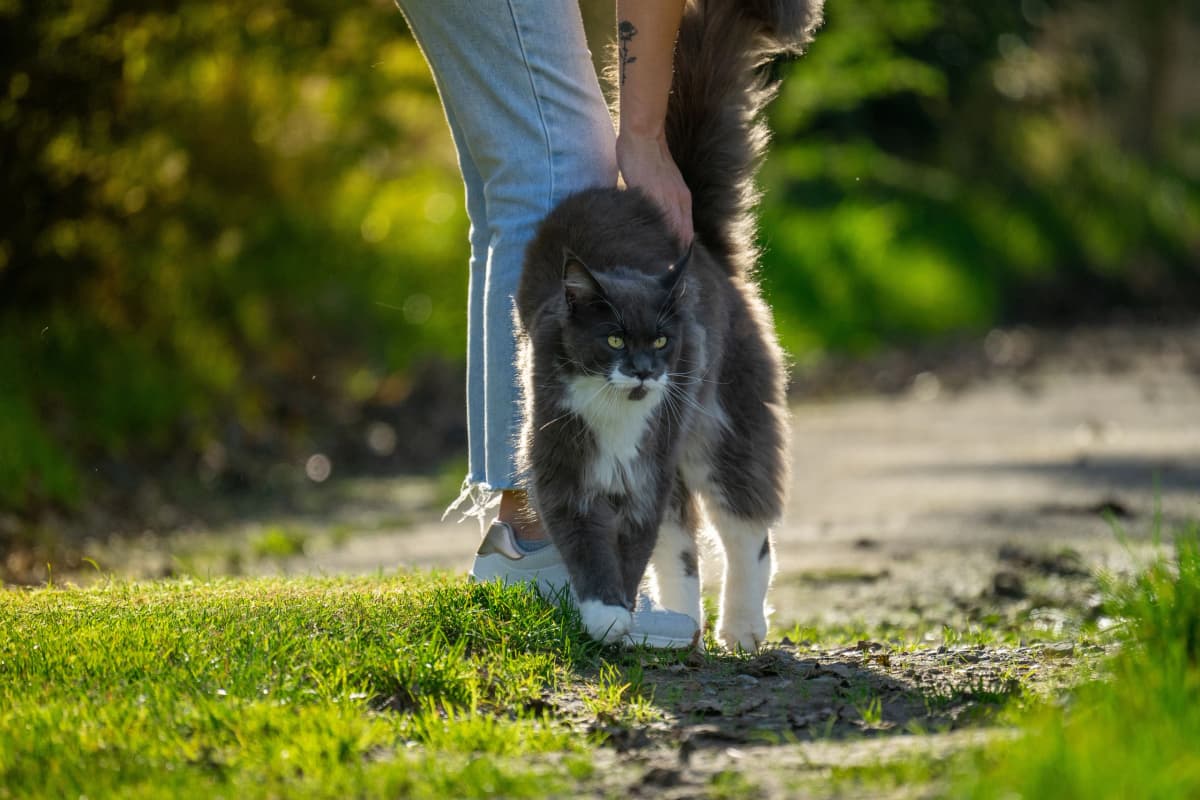
A cat expresses contentment and affection in a variety of body language
Loom24

A cat expresses contentment and affection in a variety of body language

Scientists who study cat behavior confirm that a cat's contentment is expressed in a special posture, tail movements, blinking, and daily routines. What signs confirm that a cat feels safe and happy in your company?
10.10.2026
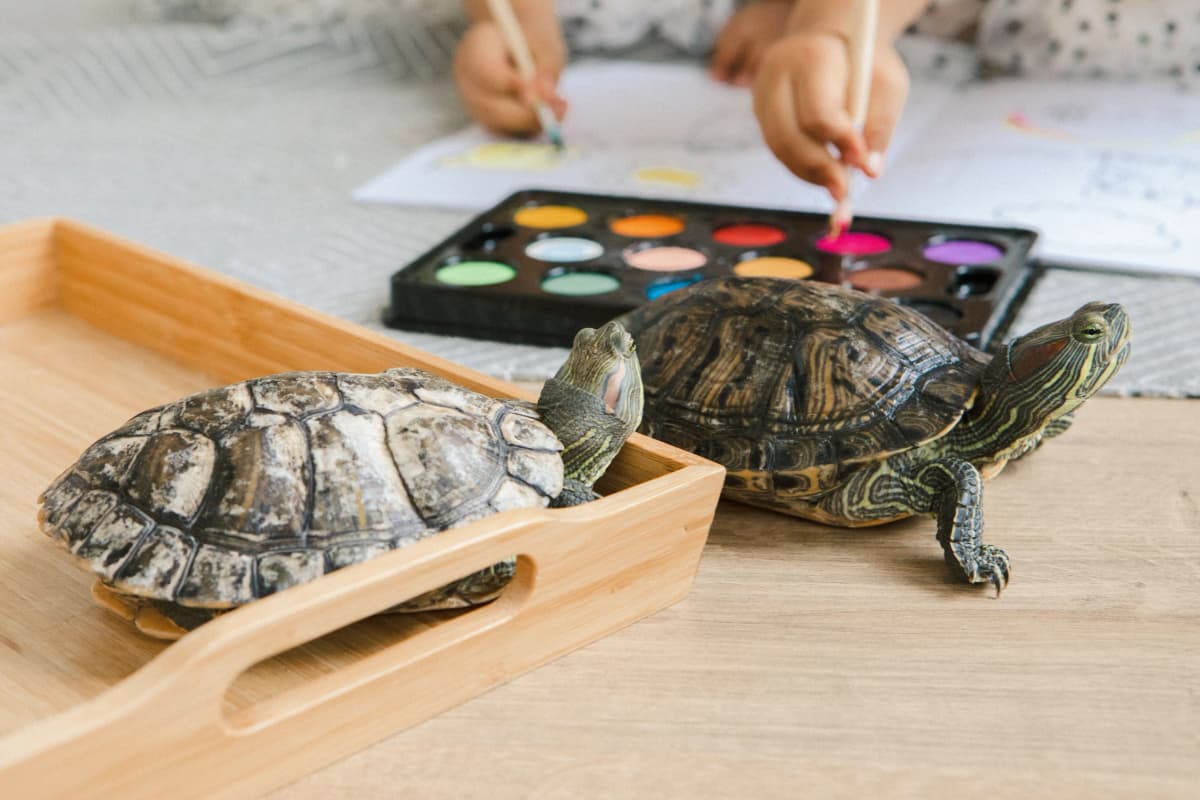
Turtles' extraordinary lifespan requires decades of dedication
Loom24

Turtles' extraordinary lifespan requires decades of dedication

Unlike most pets, properly cared for turtles can live as long as or longer than a human lifespan, making them a multi-generational liability. Turtles' slow metabolism and unique anatomy allow them to live to a very old age, but these same characteristics make them very vulnerable to environmental conditions.
07.10.2026
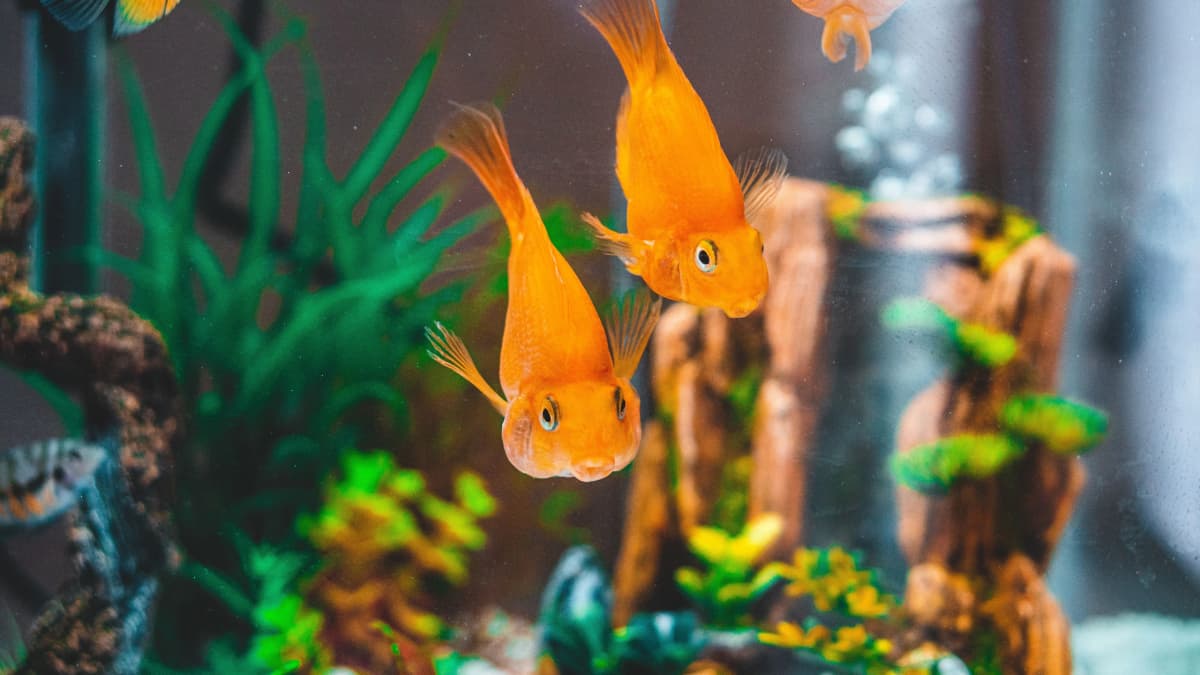
Biological break-in of an aquarium requires the nitrogen cycle to be fully activated before adding fish.
Loom24

Biological break-in of an aquarium requires the nitrogen cycle to be fully activated before adding fish.

The ecosystem of a new aquarium initially lacks beneficial bacteria that break down organic waste, so premature stocking of fish can cause a life-threatening ammonia explosion. During the break-in period, microflora is grown in the filter and bottom soil, which converts toxic excreta into compounds that are safe for the fish.
05.10.2026
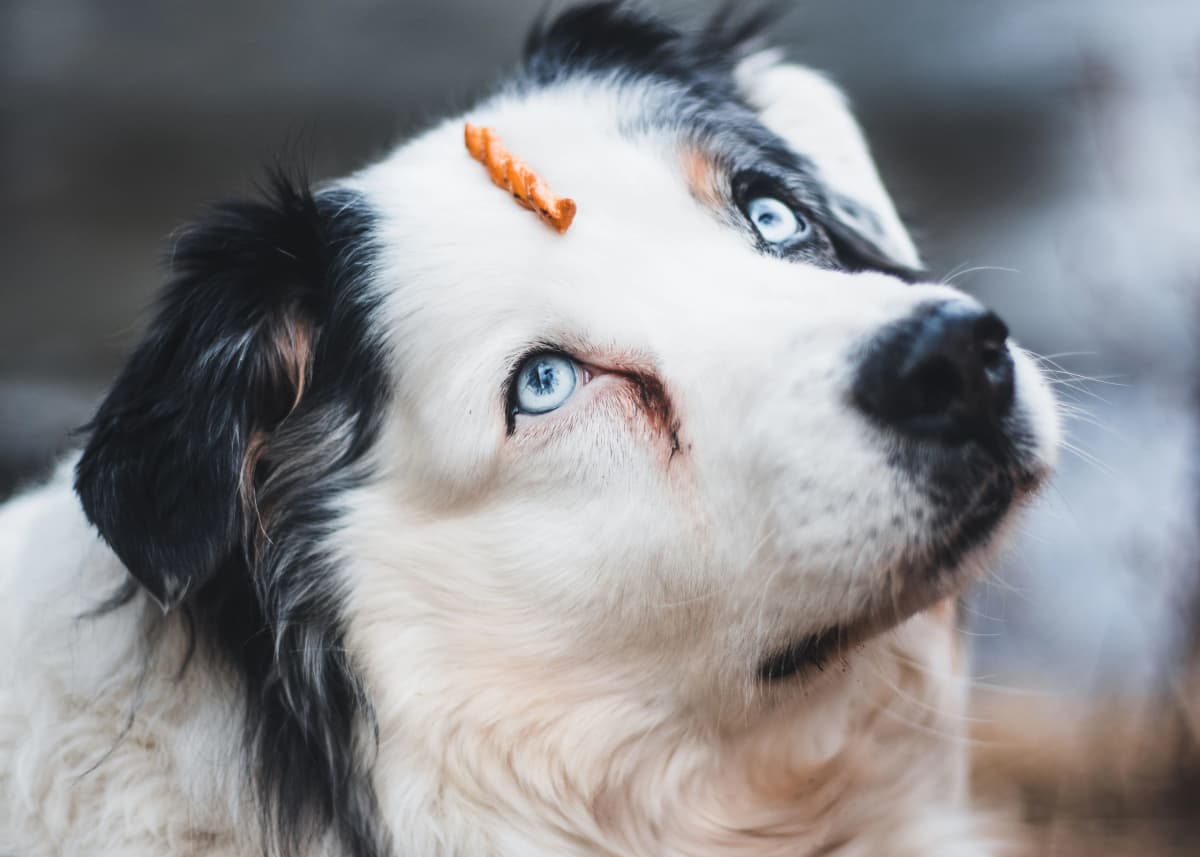
The proportion of dog treats should be a maximum of one tenth of the daily food allowance.
Loom24

The proportion of dog treats should be a maximum of one tenth of the daily food allowance.

Rewarding your dog is a natural way for an owner to show their care, but improperly chosen or excessive treats can accelerate obesity in dogs and cause health concerns. To keep your pet in shape, you need to keep the amount of treats under control and prioritize safe foods.
02.10.2026
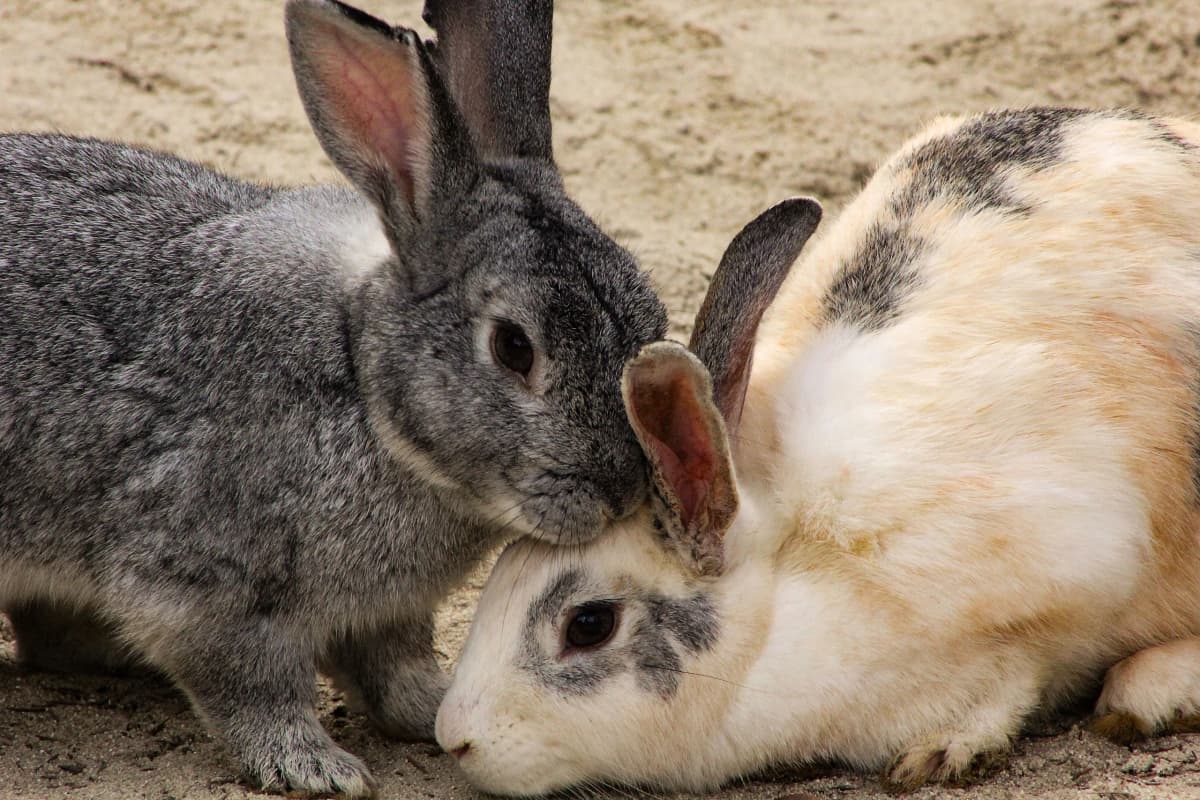
Rabbits living together or preventing conflicts and restoring relationships
Loom24

Rabbits living together or preventing conflicts and restoring relationships

In the wild, rabbits live in colonies, which means that domestic rabbits are also very social animals by nature. Pet welfare organizations and veterinarians conclude that a rabbit that lives with a companion rabbit has significantly lower stress levels than a rabbit that lives alone. However, you can't just put two rabbits in the same room or cage, as improper introduction can lead to serious fights and permanent injuries.
30.09.2026
Most infectious diseases and parasites in dogs are preventable
Loom24

Most infectious diseases and parasites in dogs are preventable

Every pet owner wants their pet to live a long and carefree life, but viruses, bacteria and parasites that spread in the wild can put this at risk. The World Small Animal Veterinary Association (WSAVA) and the European Committee for the Control of Parasites in Pets (ESCCAP) state in their guidelines that effective health protection requires two different approaches: vaccination provides reliable protection against certain serious infections, while regular drug-based control is required to prevent many parasites.
28.09.2026
Indoor cat outdoors: how to provide a safe change to the indoor environment?
Loom24

Indoor cat outdoors: how to provide a safe change to the indoor environment?

The decision to keep your cat indoors is usually made to protect it from accidents, infectious diseases, and other outdoor dangers. However, researchers at Cornell University's Feline Health Center say that a completely sedentary indoor lifestyle can easily lead to chronic boredom in your pet. The lack of mental and physical stimulation can lead to obesity, urinary tract infections, and inappropriate urination or scratching of furniture.
24.09.2026
Keeping a dog in the backyard or why pain-based fences create new behavioral problems
Loom24

Keeping a dog in the backyard or why pain-based fences create new behavioral problems

In Estonia and elsewhere in the world, attempts are often made to keep dogs within the boundaries of their own property using radio fences or flashing leashes. However, research by researchers at the University of Lincoln warns that aids based on pain or fright instead of providing quick results actually cause anxiety and new behavioral problems in the animal.
24.09.2026
How to introduce a new four-legged family member to your pet?
Loom24

How to introduce a new four-legged family member to your pet?

When a new pet arrives in the household, the existing animal inevitably becomes concerned about its territory and safety. Behavioral biologists from the universities of Lincoln and Bristol emphasize that the union of a dog and a cat requires patience from the owner, above all. However, a properly structured and calm introduction process helps to avoid panic and creates the prerequisites for a lasting and peaceful coexistence.
22.09.2026
Hidden pain in rabbits or how to spot health problems early
Loom24

Hidden pain in rabbits or how to spot health problems early

Animal welfare researchers from the University of Bern and Newcastle University explain that as prey animals, rabbits have evolved to hide their pain and signs of illness to the last possible extent. In the wild, a visibly weak or sick rabbit is easy prey for predators, which is why domestic rabbits only show signs of health problems when the disease has already become serious.
20.09.2026
Should you prefer dry food or raw food?
Loom24

Should you prefer dry food or raw food?

Veterinary nutrition researchers from the University of Helsinki and the University of California explain that a pet's food choices directly affect their gut microbiome, skin health, and immune system, but both popular feeding methods have their own clear benefits and risks.
15.09.2026
Hidden tensions in the same home: how cats get along when sharing a room
Loom24

Hidden tensions in the same home: how cats get along when sharing a room

Animal behavior researchers from the Universities of Copenhagen and Bristol explain that cats are not designed to live in dense packs, which is why hidden tensions often arise in multi-cat households that the owner may not notice at first glance.
11.09.2026
Why isn't chewing bones enough to maintain your pet's oral health?
Loom24

Why isn't chewing bones enough to maintain your pet's oral health?

Research from the University of Pennsylvania School of Veterinary Medicine and VetCompass warns that over 80 percent of dogs and cats three years of age and older suffer from periodontitis, or inflammation of the tissues surrounding the teeth, which, if left untreated, spreads to other organs through the bloodstream.
08.09.2026
Loneliness is a health risk: the social needs of guinea pigs and other small animals
Loom24

Loneliness is a health risk: the social needs of guinea pigs and other small animals

Studies by ethologists and veterinarians at the universities of Bern and Vienna confirm that guinea pigs, rabbits, and other small pets are highly social creatures, and keeping them without a companion causes them permanent physiological stress and significantly shortens their lifespan.
07.09.2026