
The far-reaching impact of clinical stress on animal health
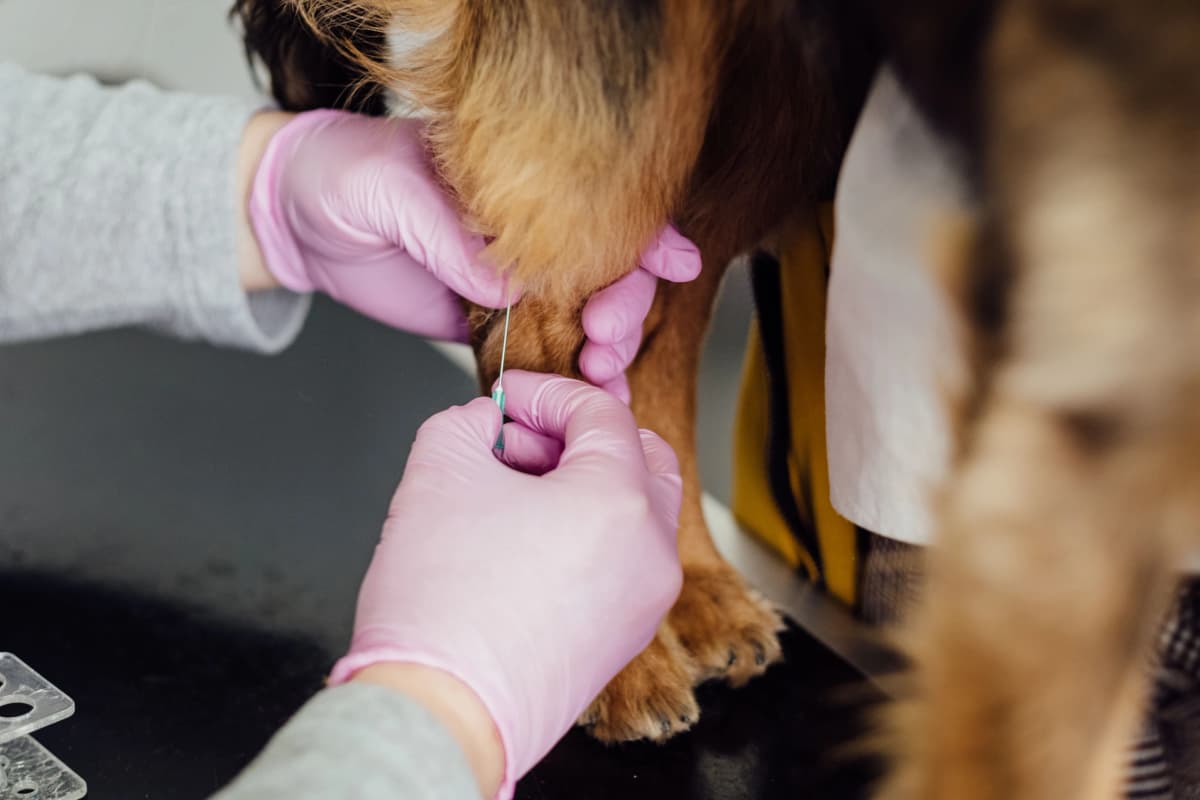
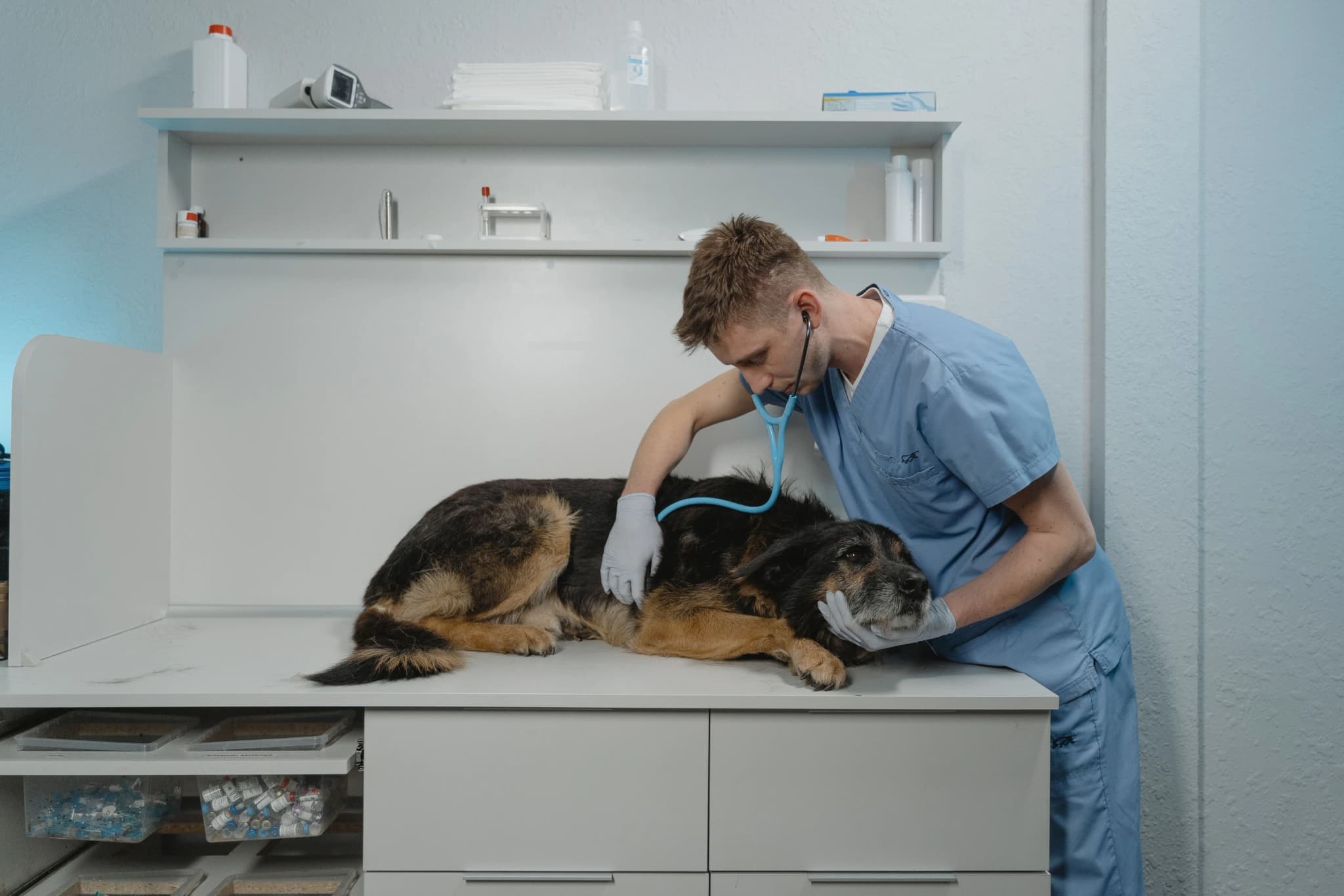
Studies confirm that anxiety and fear trigger a physiological stress response in the body, which increases the animal's heart rate, blood pressure, and body temperature. This phenomenon is called "alge kittle syndrome" in veterinary medicine and can cause false positive results in blood tests, such as a sudden increase in glucose levels in cats or changes in the blood cell count in dogs.
Scientists have found that repeated traumatic experiences create long-term spatial and odor anxiety in animals. When a pet is constantly taken to the clinic using coercive methods, the brain begins to associate space, odors, and specific objects with danger and pain, making each subsequent examination or sample collection more difficult than the previous one.
The scientific basis for a fearless approach
The fear-free veterinary concept, created to solve the problem, is based on research and offers methods to keep the animal's stress level in the clinic to a minimum. The environment is adapted to the animals' sensory needs: bright light sources are reduced, slippery examination tables are avoided, and calming pheromones and soft background music are used to help alleviate anxiety.
Equally important is reducing physical pressure. In this approach, dogs or cats are not forced to lie down on a table, for example, but rather the examination is carried out where the animal feels most secure — for example, on the floor, in the owner’s lap, or in the case of cats, on the bottom of a transport cage. During the examination, rewards are offered continuously to create positive associations with the procedure.
How can an owner prepare their pet for a visit?
Researchers emphasize that preparation for a fear-free visit begins at home. By following science-based advice, owners can significantly reduce their pet's stress before they even arrive at the clinic.
Practice at home through so-called cooperative grooming, which involves touching the animal's paws, ears, and mouth in a calm environment, along with treats and rewards.
Make a transport cage or car ride a daily and enjoyable activity for your cat and dog, not something that only comes up when you go to the vet.
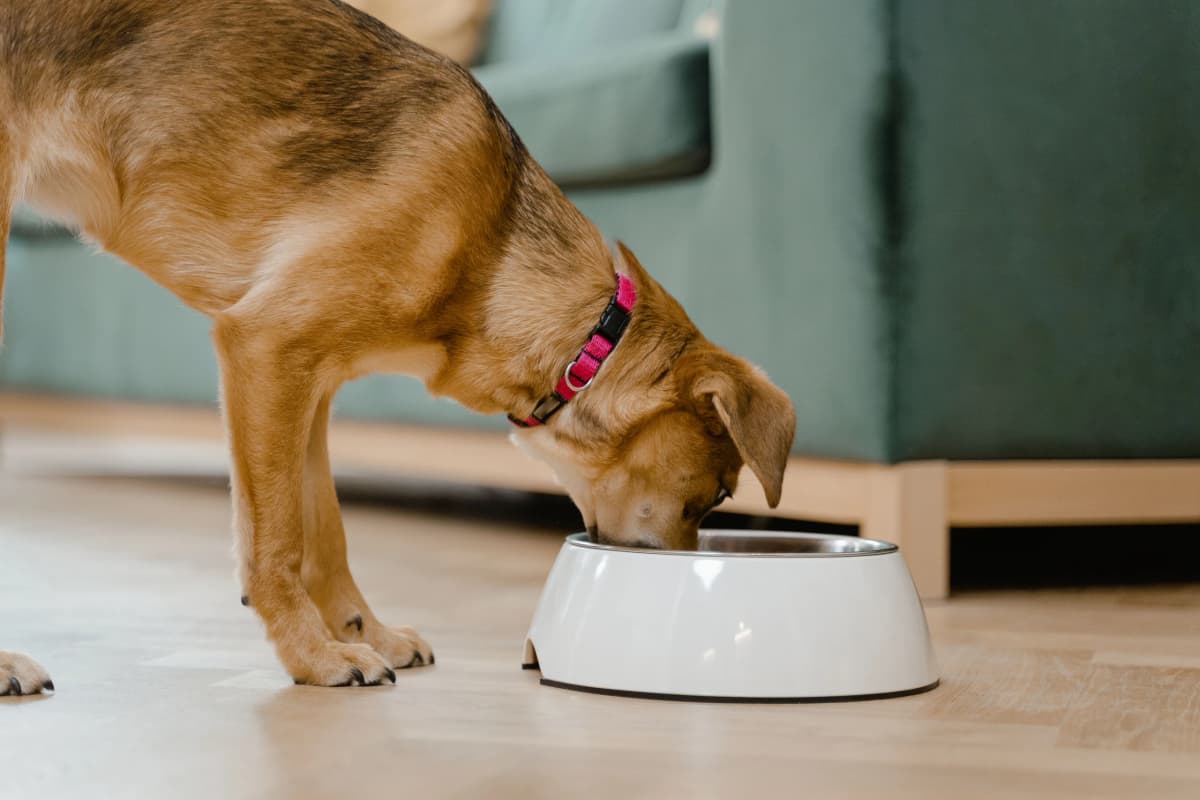
Avoid feeding your pet a full stomach before the visit, as a slightly empty stomach will be much more likely to accept the treats and rewards offered at the clinic.
Remain as calm and determined as possible, as animals directly reflect their owner's emotional state and body language.
About the author and sources
The article is based on research published in the Journal of Veterinary Behavior and Fear Free Certified veterinary guidelines.