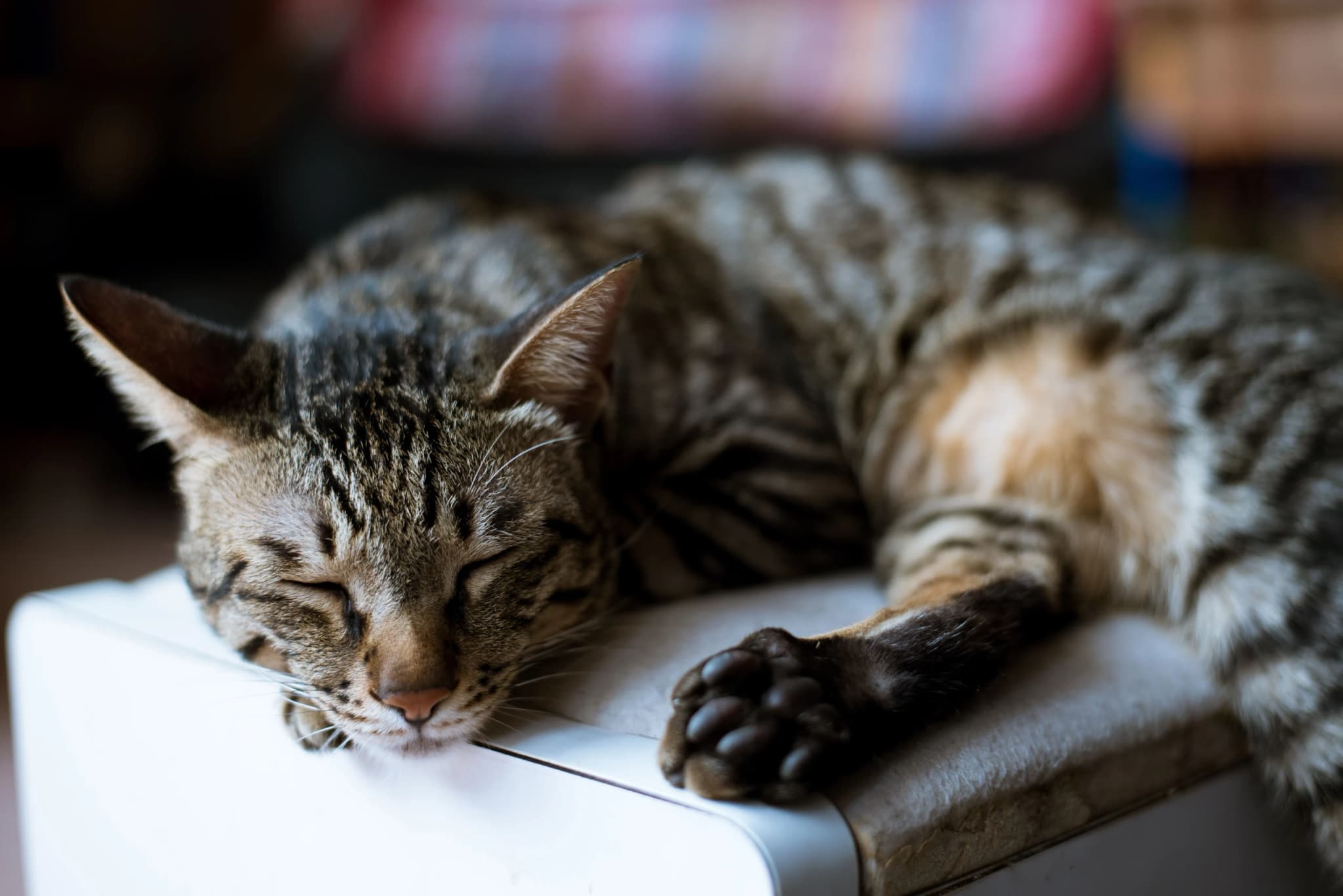

REM sleep and the replay of experiences in the brain
Brain activity studies show that the sleep cycle of mammals is remarkably similar to that of humans. Pets also go through phases of deep sleep and enter a phase of so-called REM ( Rapid Eye Movement ) sleep, where the eyeballs move rapidly and brain activity increases to levels almost equal to that of wakefulness.
Neuroscientists at the Massachusetts Institute of Technology (MIT) in the United States studied the reactions of the animal brain and discovered that during sleep, the exact same structures in the brain are activated as during daytime activities. For example, when a rat ran a maze during the day, its brain's memory circuit reproduced electrical signals with exactly the same structure during sleep. According to the researchers, this suggests that animals do not see vague images in their dreams, but rather relive what they experienced during the day.
Why don't animals run in their sleep?
If your pet's brain is as active during REM sleep as it is during a run, the question arises as to why they don't get out of bed and move around. This is due to a structure in the brainstem called the pons , which turns off the animal's muscle tone during dreaming.
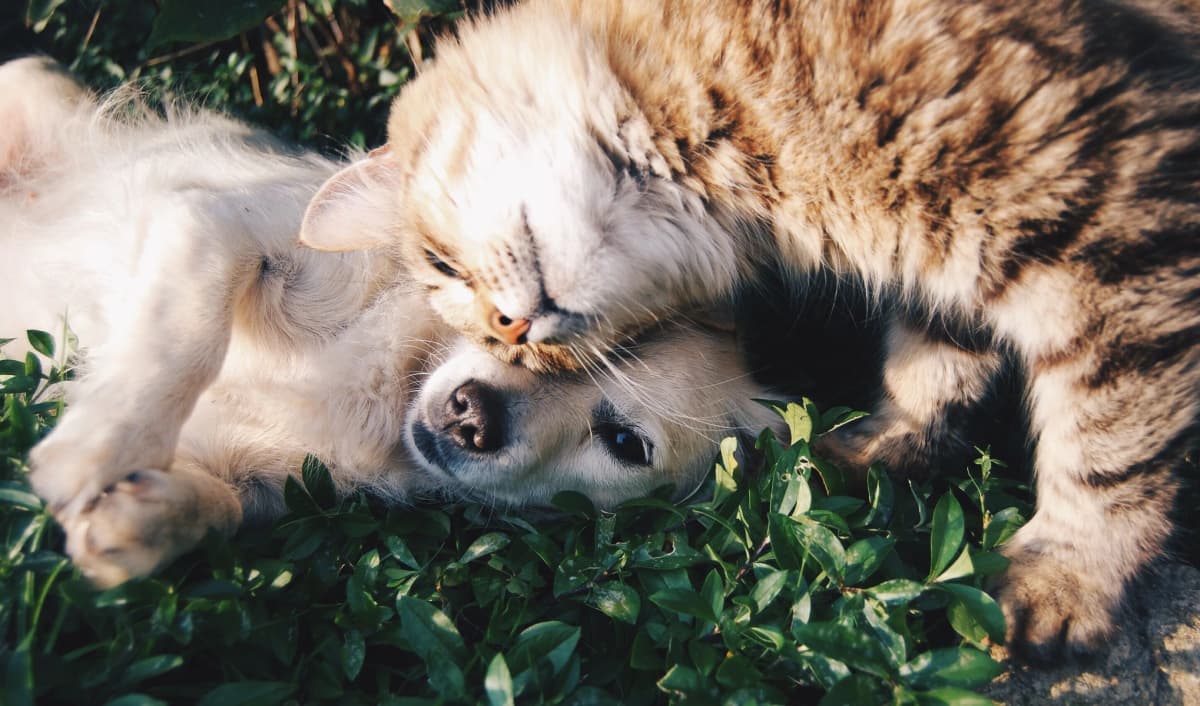
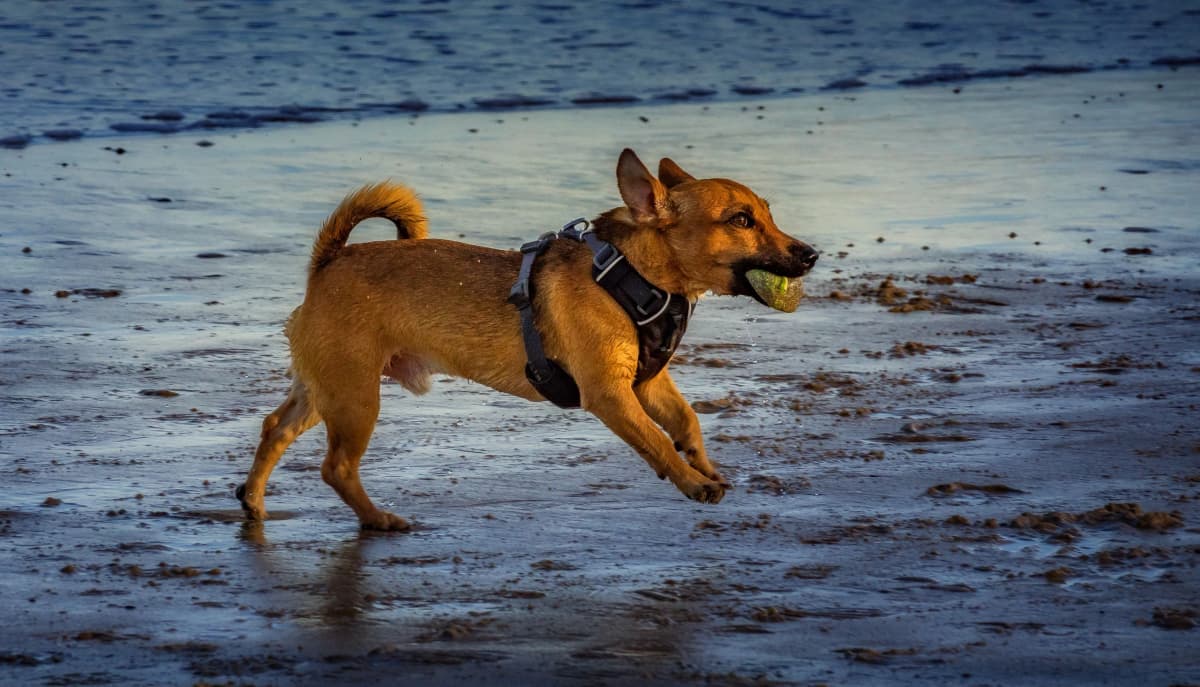
When scientists experimentally silenced this mechanism, sleeping animals began to behave according to their dreams. Cats sat up in their sleep, began chasing invisible mice and pawing the air, even though their brains were in a deep sleep phase. Dogs began to perform typical hunting and playing movements in their dreams. This proves that pets see activities specific to their species in their dreams: dogs running after a ball or communicating with their owner, and cats sneaking up on prey.
Is dreaming necessary for health?
Scientists emphasize that dreaming is critical for a pet's mental health and memory. The information processing that occurs during sleep helps animals consolidate commands learned during the day, adapt to new environments, and manage stress.
If you notice your pet twitching or making noises in their sleep, it is definitely not a good idea to wake them up abruptly. Waking them up abruptly from REM sleep can startle them, cause a momentary sense of confusion, and lead to them becoming defensive. The best thing an owner can do is to let their pet calmly finish their dreams.
About the author
The article is based on research conducted by neurobiologists at the Massachusetts Institute of Technology (MIT) (Professor Matthew Wilson et al.) and animal behavior scientists.