
Caring for your dog's health: what every owner should know

A dog can't tell you where it hurts. He doesn't complain in the morning that his joints are stiff, or mention that his tooth has been bothering him for a week. He simply adapts – he becomes a little slower, eats a little less, sleeps a little more. And that's why a large part of the responsibility falls on the owner's shoulders: the dog's health depends on how well we notice changes and how consistently we do these boring but crucial preventive things. The good news is that a dog's healthy life doesn't require miracles. It does require following a few basic truths. Let's go through them one by one.
Caring for your dog's health: what every owner should know
Photo: Sudhir Sangwan
Loom24
Loom24
by Gregor Jeets
01.07.2026

Translated from Estonian

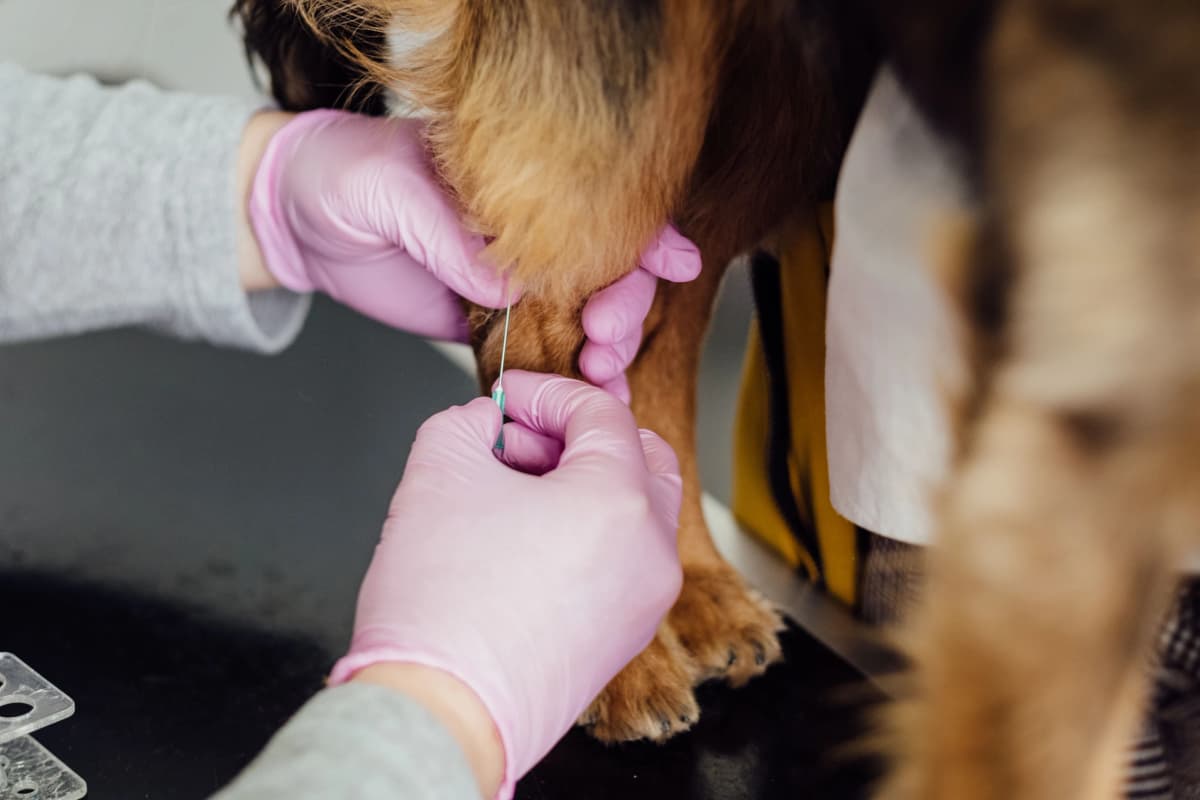
Vaccination: Protection that starts in puppyhood

A puppy is born with antibodies from its mother that protect it in the first few weeks of life. However, these antibodies wane, leaving the dog vulnerable just as it begins to explore the world. The idea behind vaccination is to take over this protection before natural immunity wears off.

In Estonia, puppy vaccination usually begins at about two months of age with a combined injection that protects against distemper, parvovirus and infectious hepatitis. This is followed by booster injections every few weeks, with a leptospirosis vaccine added once and a rabies vaccine later. A booster vaccination is given after a year. According to the recommendations of the World Small Animal Veterinary Association (WSAVA), distemper, parvovirus and hepatitis are considered core diseases, against which a booster injection approximately every three years is sufficient for an adult dog. Vaccinations against leptospirosis and kennel cough are given more frequently if necessary, because their protection is shorter - the exact schedule is determined by the veterinarian depending on where and how the dog lives.

Rabies is a separate issue. It is mandatory by law in Estonia: a dog must be vaccinated for the first time at the age of three to four months and then at least every 24 months. Rabies is a fatal disease for humans, so this is not just a recommendation, but an obligation for the pet owner.

Worms, fleas, ticks – small enemies

Parasite control is one of those things that is easy to forget because you can't see the results. A healthy dog ​​looks healthy. But internal worms can multiply peacefully without the animal immediately suffering visibly, and fleas can multiply in your home before you even notice the first one.

The frequency of deworming depends on the dog's lifestyle: a dog that runs in the woods, sniffs corpses, and comes into contact with other animals is at greater risk than a calm city dog. Puppies are usually dewormed more frequently than adults. Tick season in Estonia now lasts almost the entire warm period, and ticks transmit serious diseases, which is why it is worth choosing a deworming agent - whether in the form of drops, tablets, or collars - together with a veterinarian according to the dog's size and habits.

Nutrition: Quality before quantity

Dogs are more flexible eaters than cats – they tolerate plant foods better – but that doesn’t mean they can’t care what they put in their bowl. Complete dog food is formulated to cover the right balance of protein, fat, vitamins and minerals. Human table scraps don’t provide this balance, and some of our everyday foods – chocolate, onions, grapes, products sweetened with xylitol – are downright toxic to dogs.

The most common feeding mistake, however, is not the wrong food, but too much food. Being overweight is widespread among dogs and its consequences are serious: joint wear, increased strain on the heart, risk of diabetes and a shorter life span. A plump dog is not a happier dog. Instead of filling the bowl, it is worth following the amounts indicated on the package, counting treats towards the daily energy intake and occasionally checking whether the waist is still there by touching the ribs with your hand.

Movement and head – both need to be tired

Dogs need exercise, but the need varies greatly from breed to breed. A herding dog or bird hunting dog is bred to work for hours and a short walk will not satisfy them; a small breed or older dog may be perfectly happy with a more moderate pace. If an energetic dog does not get enough exercise, it will not go unnoticed - it will manifest itself in chewing, barking, restlessness and other "problems" that are actually unresolved needs.

Just as important as physical exercise is mental activity. Sniffing games, training, puzzle toys, and new environments often tire a dog out more than just running. A good rule of thumb: a dog that is both physically and mentally satisfied is a calm dog.

Oral health – a silent but common concern

This is the part that owners often discover too late. According to research, most dogs have some form of dental disease by the age of three, and the gingivitis that lies beneath the tartar doesn't always stay in the mouth - chronic inflammation can put a strain on the heart, kidneys and liver. Small breeds and short-nosed dogs, whose jaws are small and teeth are close together, are especially at risk.

Signs to look out for include bad breath, red or bleeding gums, drooling and refusing to eat. Prevention starts at home – brushing with toothpaste designed for dogs is most effective – but occasional professional dental cleanings by a vet are also necessary.

Castration and sterilization

Neutering (males) and spaying (females) your dog is a decision that affects both health and behavior. It prevents unwanted litters, reduces the risk of certain tumors and inflammations, and mitigates hormone-induced behavior. However, the right time is not the same for all dogs: for large breed dogs, many veterinarians recommend waiting until the animal has finished growing, because sex hormones play a role in skeletal development. That is why it is worth deciding on the time together with your veterinarian, taking into account the breed, size, and personality of the specific dog.

When to see a vet

A dog that suddenly eats less or refuses to eat, suddenly drinks a lot more, gets tired quickly, limps, vomits or suffers from diarrhea, coughs constantly, scratches incessantly, or changes in behavior – these are all signals that you shouldn’t “wait and see.” Dogs are stubborn and will hide discomfort for a long time, so just because something is visibly different usually means it’s worth investigating. Early intervention is almost always cheaper and easier than late.

Summary

Caring for your dog is not a one-time effort, but a set of habits: timely vaccinations, regular parasite control, proper food in the right quantities, sufficient exercise and mental activity, a well-groomed mouth, and a watchful eye from your owner. None of these are difficult, but together they form what distinguishes a dog that is simply surviving from a happy and healthy companion. And when in doubt, the most reliable partner is always a veterinarian who knows your dog.


You may also like

The most beautiful pedigree dogs are arriving in Tallinn again
Loom24

The most beautiful pedigree dogs are arriving in Tallinn again

This weekend you can spend three enjoyable days in Tallinn with dogs and discover your favorite among 240 different breeds. From October 16 to 18, the Estonian Kennel Club will organize three international dog shows at the EJL Football Hall.
12.10.2026
A cat expresses contentment and affection in a variety of body language
Loom24

A cat expresses contentment and affection in a variety of body language

Scientists who study cat behavior confirm that a cat's contentment is expressed in a special posture, tail movements, blinking, and daily routines. What signs confirm that a cat feels safe and happy in your company?
10.10.2026
Turtles' extraordinary lifespan requires decades of dedication
Loom24

Turtles' extraordinary lifespan requires decades of dedication

Unlike most pets, properly cared for turtles can live as long as or longer than a human lifespan, making them a multi-generational liability. Turtles' slow metabolism and unique anatomy allow them to live to a very old age, but these same characteristics make them very vulnerable to environmental conditions.
07.10.2026
Biological break-in of an aquarium requires the nitrogen cycle to be fully activated before adding fish.
Loom24

Biological break-in of an aquarium requires the nitrogen cycle to be fully activated before adding fish.

The ecosystem of a new aquarium initially lacks beneficial bacteria that break down organic waste, so premature stocking of fish can cause a life-threatening ammonia explosion. During the break-in period, microflora is grown in the filter and bottom soil, which converts toxic excreta into compounds that are safe for the fish.
05.10.2026
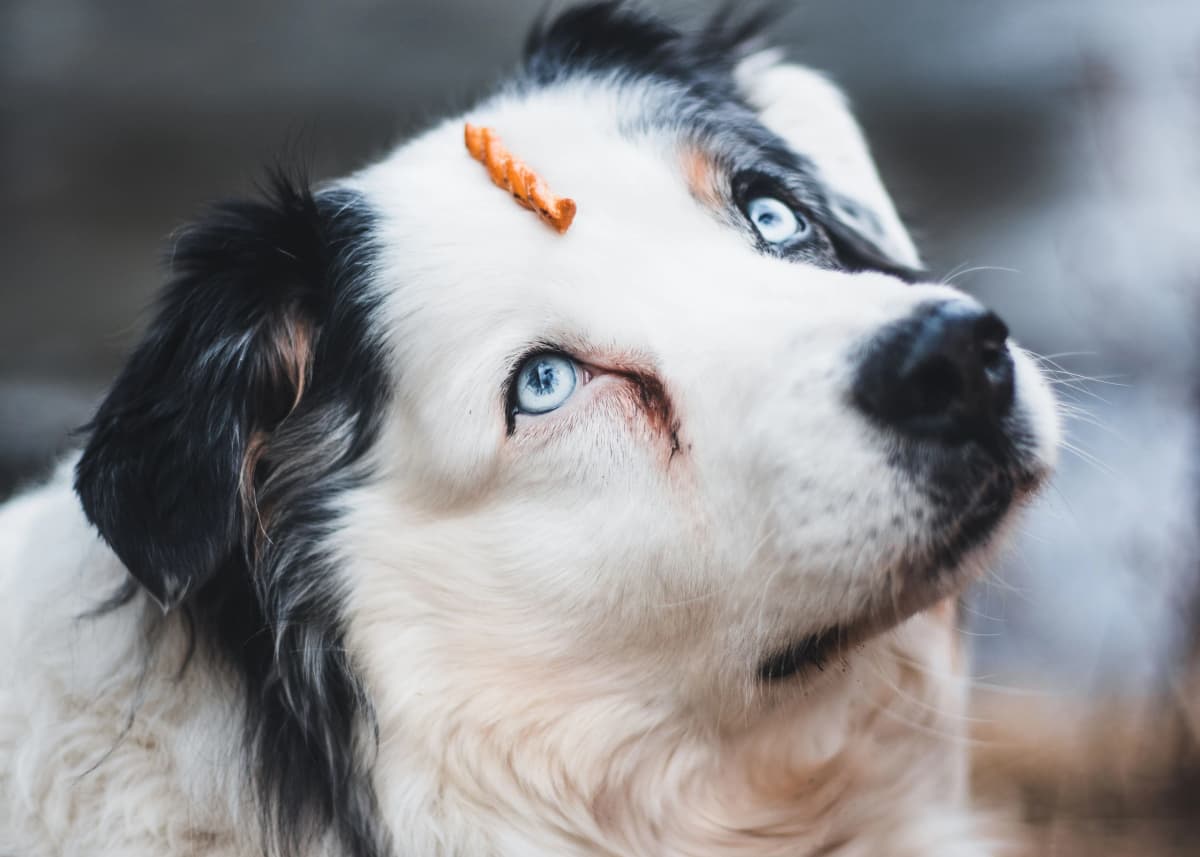
The proportion of dog treats should be a maximum of one tenth of the daily food allowance.
Loom24

The proportion of dog treats should be a maximum of one tenth of the daily food allowance.

Rewarding your dog is a natural way for an owner to show their care, but improperly chosen or excessive treats can accelerate obesity in dogs and cause health concerns. To keep your pet in shape, you need to keep the amount of treats under control and prioritize safe foods.
02.10.2026
Rabbits living together or preventing conflicts and restoring relationships
Loom24

Rabbits living together or preventing conflicts and restoring relationships

In the wild, rabbits live in colonies, which means that domestic rabbits are also very social animals by nature. Pet welfare organizations and veterinarians conclude that a rabbit that lives with a companion rabbit has significantly lower stress levels than a rabbit that lives alone. However, you can't just put two rabbits in the same room or cage, as improper introduction can lead to serious fights and permanent injuries.
30.09.2026
Most infectious diseases and parasites in dogs are preventable
Loom24

Most infectious diseases and parasites in dogs are preventable

Every pet owner wants their pet to live a long and carefree life, but viruses, bacteria and parasites that spread in the wild can put this at risk. The World Small Animal Veterinary Association (WSAVA) and the European Committee for the Control of Parasites in Pets (ESCCAP) state in their guidelines that effective health protection requires two different approaches: vaccination provides reliable protection against certain serious infections, while regular drug-based control is required to prevent many parasites.
28.09.2026
Indoor cat outdoors: how to provide a safe change to the indoor environment?
Loom24

Indoor cat outdoors: how to provide a safe change to the indoor environment?

The decision to keep your cat indoors is usually made to protect it from accidents, infectious diseases, and other outdoor dangers. However, researchers at Cornell University's Feline Health Center say that a completely sedentary indoor lifestyle can easily lead to chronic boredom in your pet. The lack of mental and physical stimulation can lead to obesity, urinary tract infections, and inappropriate urination or scratching of furniture.
24.09.2026
Keeping a dog in the backyard or why pain-based fences create new behavioral problems
Loom24

Keeping a dog in the backyard or why pain-based fences create new behavioral problems

In Estonia and elsewhere in the world, attempts are often made to keep dogs within the boundaries of their own property using radio fences or flashing leashes. However, research by researchers at the University of Lincoln warns that aids based on pain or fright instead of providing quick results actually cause anxiety and new behavioral problems in the animal.
24.09.2026
How to introduce a new four-legged family member to your pet?
Loom24

How to introduce a new four-legged family member to your pet?

When a new pet arrives in the household, the existing animal inevitably becomes concerned about its territory and safety. Behavioral biologists from the universities of Lincoln and Bristol emphasize that the union of a dog and a cat requires patience from the owner, above all. However, a properly structured and calm introduction process helps to avoid panic and creates the prerequisites for a lasting and peaceful coexistence.
22.09.2026
Hidden pain in rabbits or how to spot health problems early
Loom24

Hidden pain in rabbits or how to spot health problems early

Animal welfare researchers from the University of Bern and Newcastle University explain that as prey animals, rabbits have evolved to hide their pain and signs of illness to the last possible extent. In the wild, a visibly weak or sick rabbit is easy prey for predators, which is why domestic rabbits only show signs of health problems when the disease has already become serious.
20.09.2026
How to choose a harness for a dog?
Loom24

How to choose a harness for a dog?

Biomechanical scientists from the University of Veterinary Medicine in Vienna and Nottingham Trent University explain that the shape and cut of a dog's harness directly affect the animal's stride length, joint health, and the load on the spine, so choosing a harness is not just a matter of appearance or the owner's comfort.
19.09.2026
Should you prefer dry food or raw food?
Loom24

Should you prefer dry food or raw food?

Veterinary nutrition researchers from the University of Helsinki and the University of California explain that a pet's food choices directly affect their gut microbiome, skin health, and immune system, but both popular feeding methods have their own clear benefits and risks.
15.09.2026
Hidden tensions in the same home: how cats get along when sharing a room
Loom24

Hidden tensions in the same home: how cats get along when sharing a room

Animal behavior researchers from the Universities of Copenhagen and Bristol explain that cats are not designed to live in dense packs, which is why hidden tensions often arise in multi-cat households that the owner may not notice at first glance.
11.09.2026
Why isn't chewing bones enough to maintain your pet's oral health?
Loom24

Why isn't chewing bones enough to maintain your pet's oral health?

Research from the University of Pennsylvania School of Veterinary Medicine and VetCompass warns that over 80 percent of dogs and cats three years of age and older suffer from periodontitis, or inflammation of the tissues surrounding the teeth, which, if left untreated, spreads to other organs through the bloodstream.
08.09.2026