
Flat-nosed breeds: great friendliness, but significant health concerns
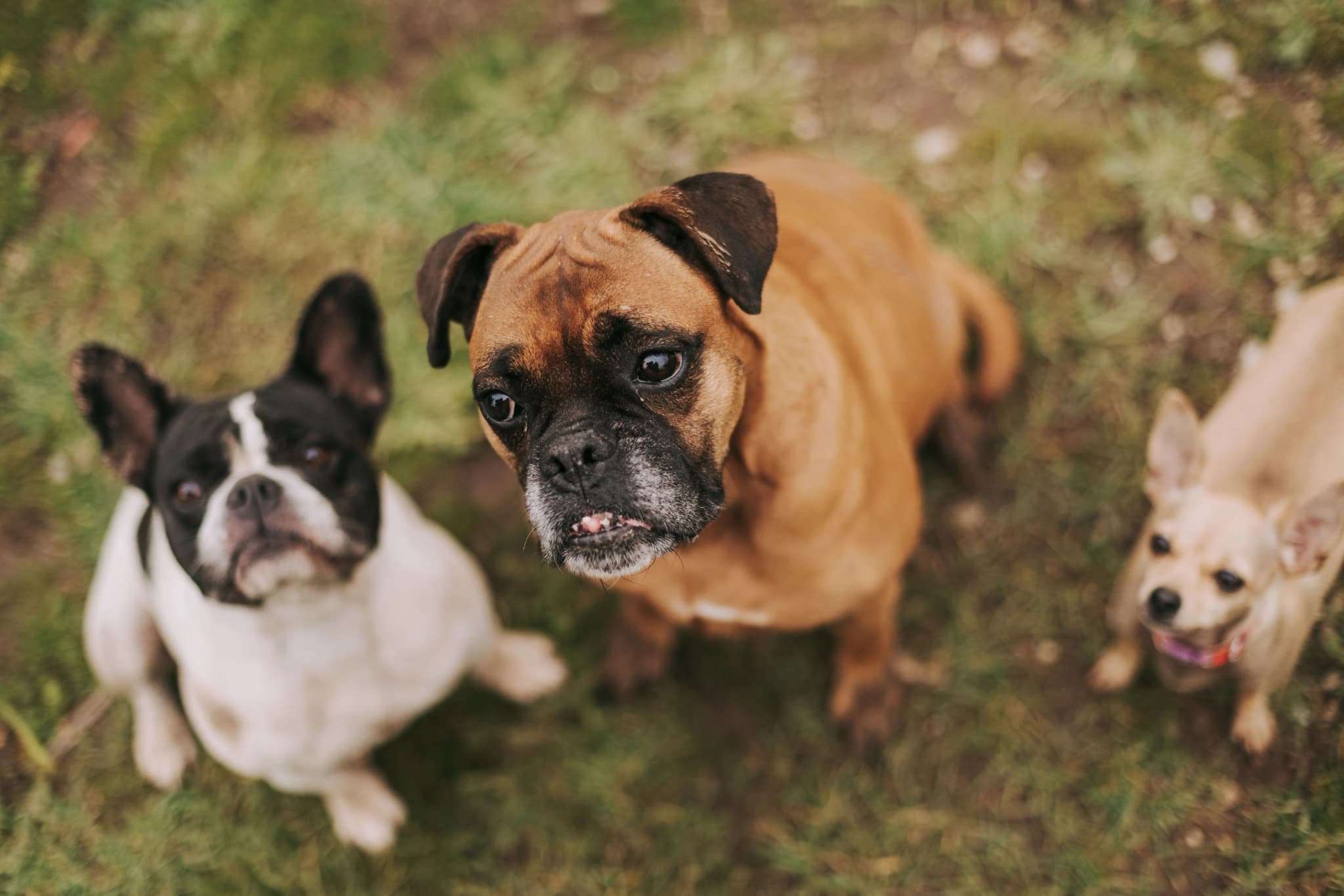
French bulldogs, English bulldogs and pugs are extremely popular among city dwellers due to their small size and reduced exercise requirements. However, data collected as part of the VetCompass research program shows that brachycephaly, a short skull, leads to serious health problems that novice dog owners often fail to consider.
Flat-nosed dogs are at increased risk of respiratory distress syndrome, eye infections, skin fold infections, and labor complications. Researchers point to a sad trend where owners interpret their dog's constant snoring or panting as a cute breed trait, when in reality it is a painful and chronic lack of oxygen.
Retrievers and working dogs: great companions that require more effort
Golden Retrievers and Labradors have a well-deserved reputation as friendly and docile family dogs. Scientific data confirms the good adaptability and stable nervous system of these dogs, but at the same time highlights two main concerns: a high tendency to become overweight and skeletal disorders, especially hip and elbow dysplasia.
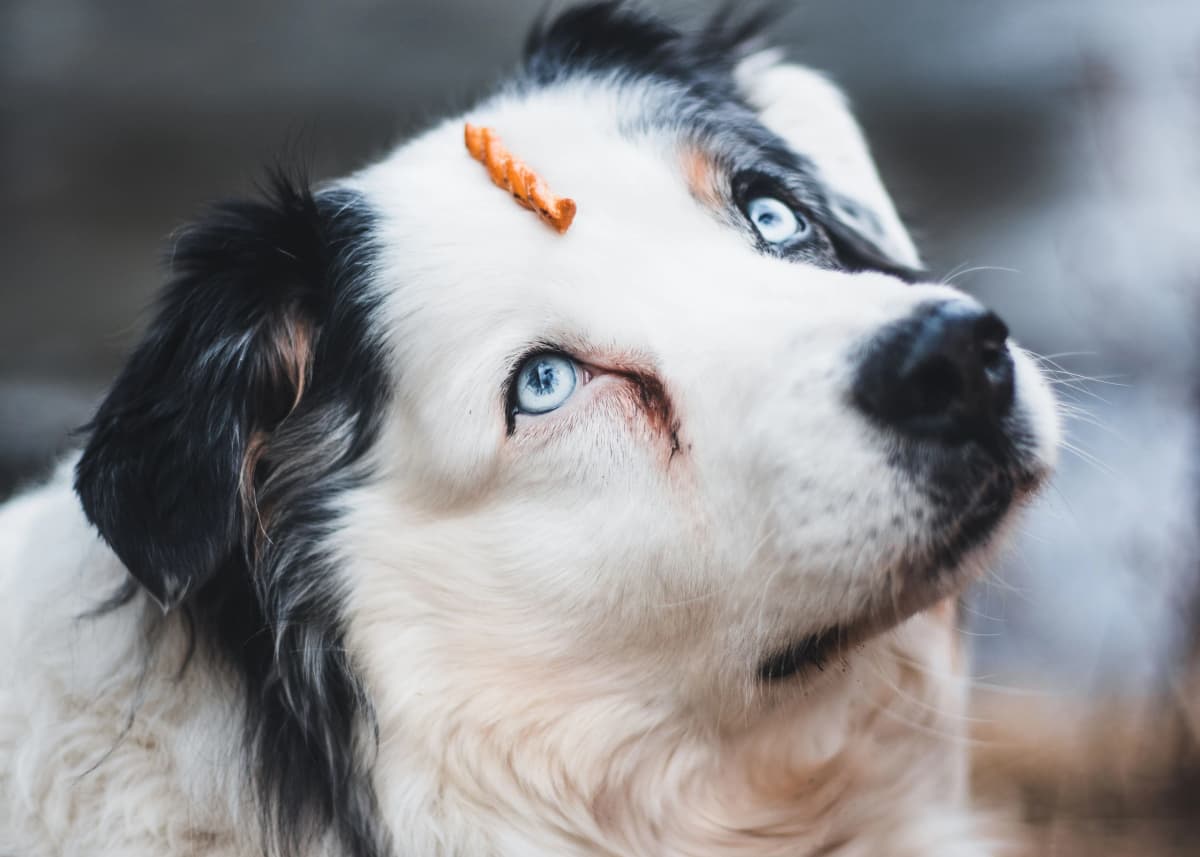
Research shows that keeping working dogs that require extra exercise and mental stimulation, such as Australian Shepherds or Border Collies , as apartment pets often leads to behavioral problems. Without adequate mental stimulation and physical activity, active breeds become anxious, exhibiting destructive behavior or developing separation anxiety.
How to consciously choose a breed?
The researchers emphasize that there is no perfect and completely risk-free dog breed, as every breed has its own health vulnerabilities. Therefore, before making a final decision, the researchers recommend familiarizing yourself with the most common diseases specific to the chosen breed, which can include frequent ear infections in breeds with floppy ears or hereditary heart diseases in toy breeds.
It is also extremely important to ask the breeder for official health test results of the parents, especially hip, elbow and eye tests and genetic tests. Finally, to make a decision, you should make an exhaustive assessment of your own daily lifestyle in order to choose a dog whose exercise needs, trainability and possible veterinary costs match the owner's real possibilities.
Checklist for the grower before making a purchase decision
Veterinarians and scientists recommend that puppy buyers not only rely on the breeder's verbal confirmation, but also ask to see official health tests and certificates for both parents. A responsible breeder will have their dogs hip and elbow joint tests and eye exams performed in accordance with Estonian Kennel Club or international requirements, which can be proven with documents signed by a veterinarian.
It is also worth examining the results of hereditary genetic tests, which show that the parents are not carriers of mutations specific to the breed. You should definitely ask the breeder about the lifespan of the parents and grandparents and any chronic diseases they have suffered from, because ancestors who lived long and remained healthy are the best indicator of the future puppy's strong health.
From sources
The article is based on data from the VetCompass research program of the Royal Veterinary College of Great Britain and research published in the scientific journals PLOS ONE and Epidemiology and Health .