
This is a decade-long decision
The most important number to know before making a decision is lifespan. A cat today lives an average of about fifteen years, often longer as an indoor pet, and a dog's lifespan is often ten to fifteen years, depending on the breed. This is not an animal for "this stage of life," but a companion who will live by your side through moves, job changes, relationships, and the birth of children.
Therefore, the first question should be directed not to the animal, but to yourself: what will my life be like in five and ten years? Am I likely to move into a rented apartment where animals are not allowed? Do I plan to travel a lot? Will I have enough time for the animal even after the initial excitement has passed? The animal does not understand why it is suddenly no longer being cared for. It is precisely such unrealistic expectations that are the most common reason why animals end up in shelters.
The right animal for the right life
A popular mistake is to choose an animal based on its appearance or fashion, rather than how it actually lives. Every species and breed is different, and the same qualities that are attractive to one person are a real challenge to another.
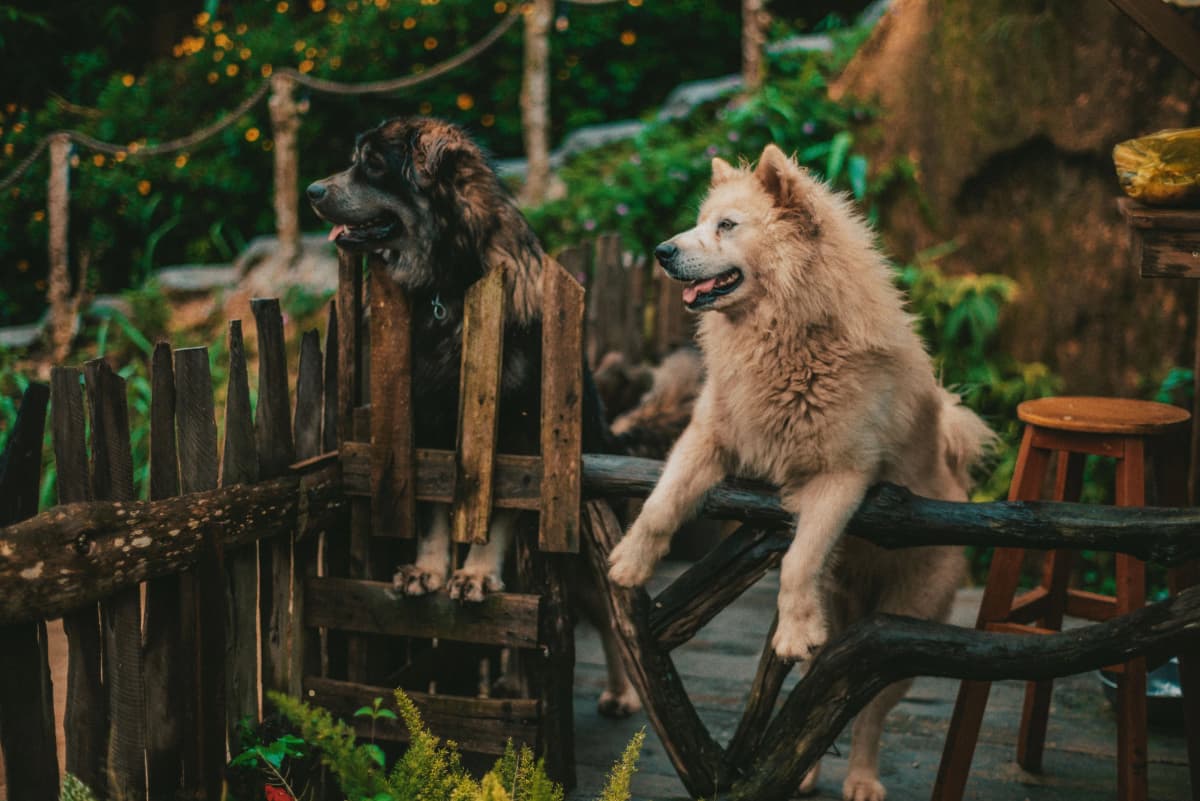
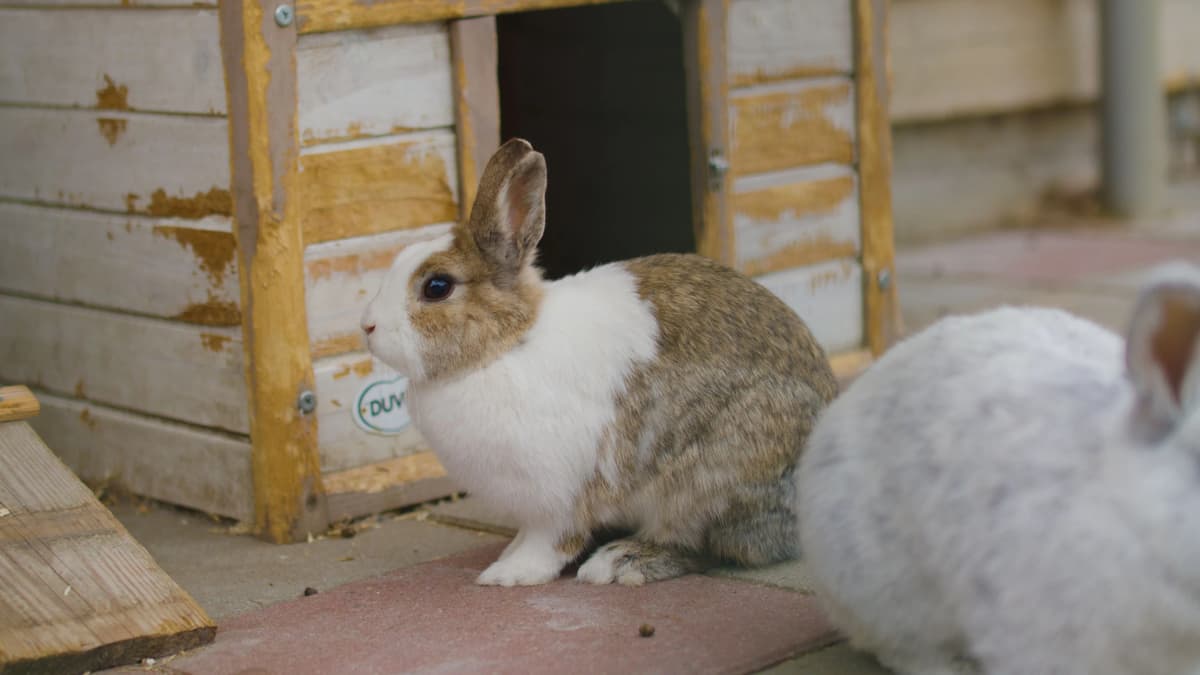
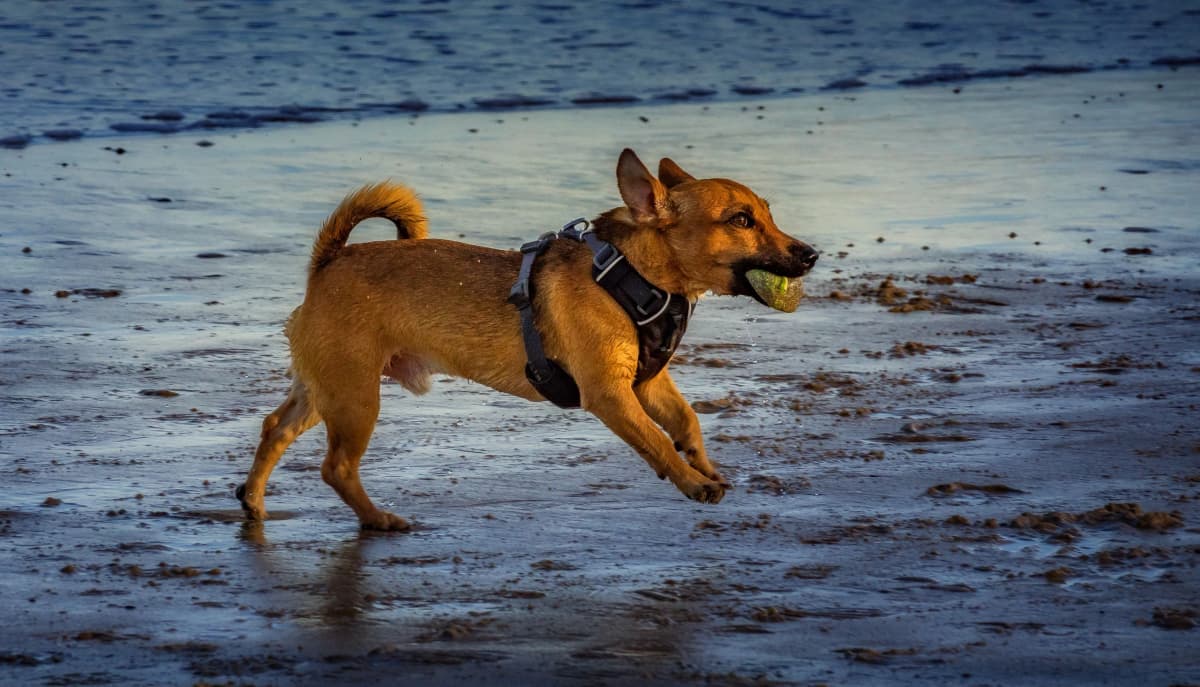
An energetic herding or hunting dog needs hours of exercise and activity a day - it will become unhappy and "problematic" with a person sitting in an apartment. A cat is more independent, but still needs attention, play and company. Small animals such as rabbits or rodents seem like an "easy" choice, but they often have surprisingly specific needs in terms of space, food and company. Before making a decision, it is worth honestly assessing your pace of life, the size of your home, the expectations of family members and how much time you can realistically spend on an animal every day. A good rule of thumb: choose an animal according to your life, do not change your life around an animal that you were not ready to keep.
Honestly about costs
Keeping animals costs more than the purchase price suggests. In Estonia, it has been estimated that food alone can cost around a hundred euros per month, and on top of that, there are fixed costs that beginners often don't think about: annual vaccinations with a visit fee, regular worming and parasite control, castration or sterilization (which costs tens to over a hundred euros depending on the animal and size), equipment, sand or bedding, and insurance or a reserve for unexpected medical expenses.
It is the latter that is most important. One accident or unexpected illness can mean a veterinary bill of several hundred euros – or more. Before getting a pet, it is worth asking yourself: do I have the ability to cover the unexpected high medical costs? If the answer is uncertain, it is worth considering pet insurance or dedicated savings.
Where to get an animal
An animal can have a very different background, and this affects both its health and character. Adopting an animal from a shelter gives a home to an animal in dire need, and the shelter staff usually know the animal's character and can help you make the right choice. When choosing a breeder, only a responsible breeder is worth trusting: one who lets you see the mother and the conditions under which they are kept, is willing to answer questions, does not give the animals away too young, and cares about where the animal is going. Avoid random advertisements and "cheap offers", which may be behind mass breeding in poor conditions - a cheap purchase price often turns into an expensive one in the form of health problems.
Obligations prescribed by law
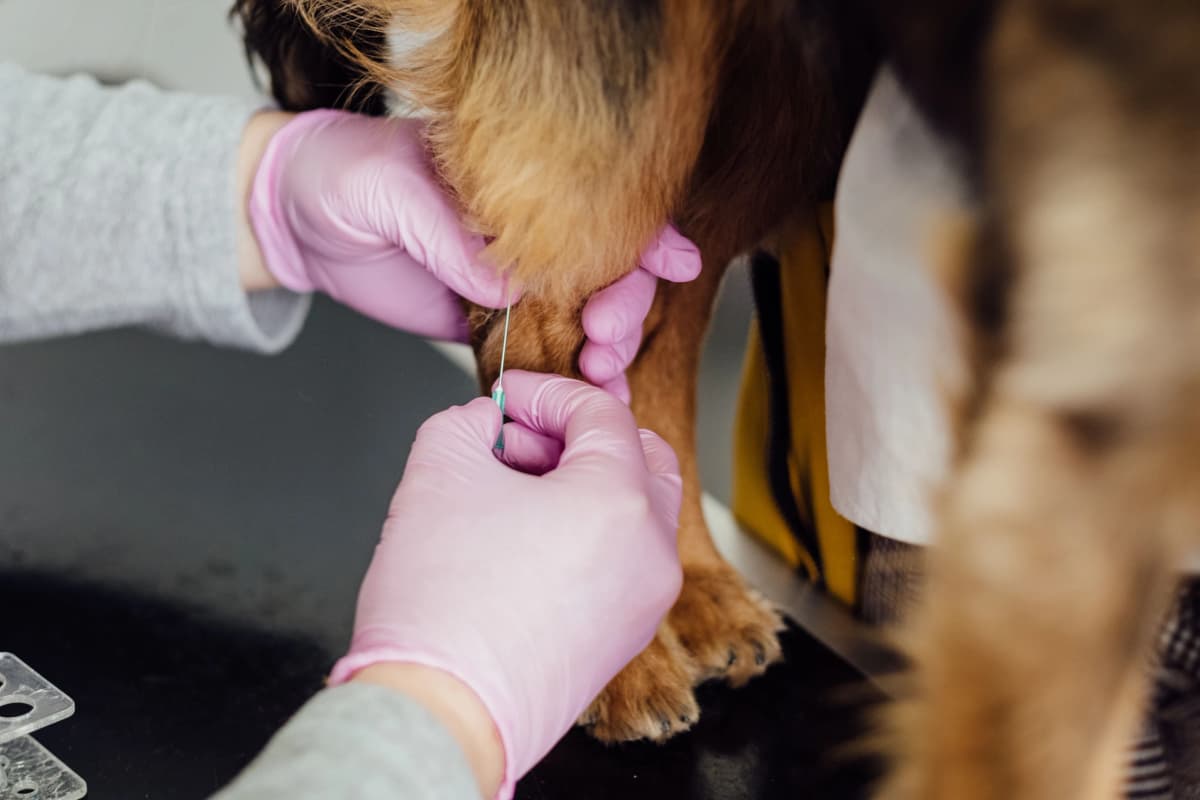
Keeping animals is not only a moral but also a legal responsibility. Rabies vaccination is mandatory for dogs and cats in Estonia by law. In addition, an important change will soon become a reality: According to the Agricultural and Food Board, microchipping and registration of dogs, cats and ferrets will become mandatory nationwide from 1 June 2027, when the data will be entered into the unified pet register managed by the ARIB and a state fee must be paid upon registration. The chip is a small, subcutaneous identifier that helps reunite a lost animal with its owner – so it is also beneficial for the animal itself. The general obligation of the animal keeper is to ensure species-specific housing conditions for the animal, suitable food, water and, if necessary, veterinary care.
Before bringing it home: prepare yourself
Once the decision has been considered and made, it is worth preparing the home before the animal arrives. This means providing suitable food and drink bowls, a place to sleep, a transport cage, a sandbox or litter box, basic toys, and making the home "pet-proof" - poisonous plants, medications, small objects that can be swallowed, and access to dangerous places must be eliminated. The first days in a new home are stressful for the animal, so give it peace, time, and quiet adjustment, without excessive attention or a flood of guests.
Summary
Getting a pet is one of the most beautiful decisions a person can make – but only if it is made with open eyes. Think about your future, choose an animal that fits your real life, calculate the costs honestly, get the animal from a responsible place and know your responsibilities. When all these answers are in place, you have not only got the animal, but you are ready to be the person it deserves. And if any questions remain unanswered, it is worth talking to a veterinarian, shelter worker or experienced animal keeper before making a decision.