
Obedience, cooperation and the trail
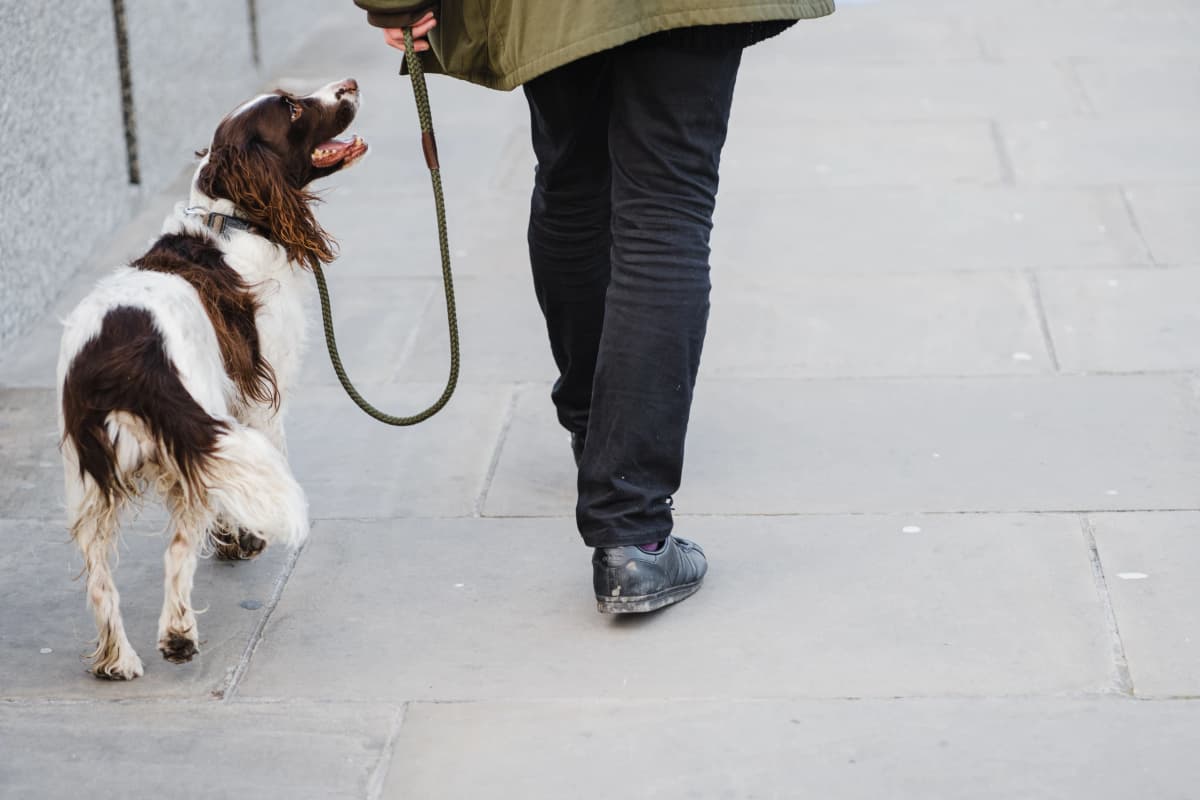
Obedience areas and movement paths develop the dog's concentration, self-control and cooperation with the person, but each area emphasizes different skills. Obedience training is an area where the dog's willingness to work, contact, persistence and accuracy in both leashed and off-leash exercises are assessed, and from the second level onwards, the area requires a calm attitude to the sound of the starting gun. Obedience is an area where remote control, i.e. obedience to commands given from a distance, is particularly important. Rally obedience, in turn, focuses on the smooth cooperation between the dog and the handler on a track of numbered command tags, and the handler may direct the dog on the track.
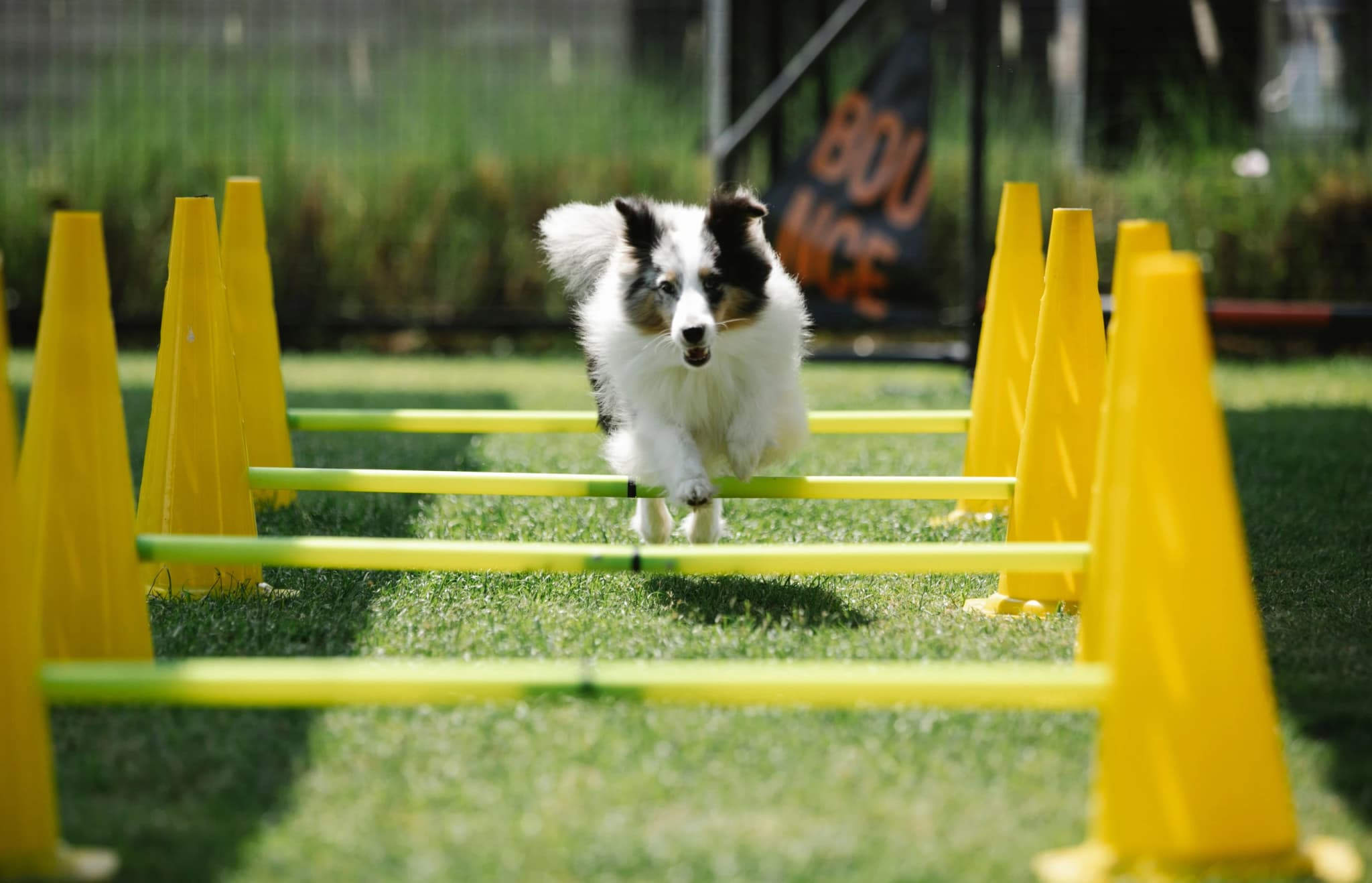
Agility is an obstacle course where a dog completes a series of jumping, contact, skill, and passing obstacles within a set time and in a specific order. Since jumps, accelerations, and sharp turns put strain on joints and muscles, training must take into account the dog's age, growth stage, and physical fitness.
Track, search and nose work
Nosework-based activities allow dogs to use their strongest sense – their sense of smell – and provide mental exercise and variety. Field tracking combines tracking and obedience according to the rules of international service dog working trials and requires the dog to be at least 15 months old. Rescue and search work involves searching for lost people in forests, buildings, ruins or by following a trail, and this type of training requires consistent teamwork. Since nosework uses smell, it is suitable for dogs of many ages and levels of physical activity.
Service, water and landscape areas
Some activities test a dog's special qualities, instincts, and physical endurance. International service dog working trials include tracking, obedience, and protection work, while endurance testing tests a dog's endurance.
Water rescue relies on the dog's natural water instinct, swimming skills and cooperation with the handler, and the dog acts as a human assistant. Greyhound cross-country running imitates the pursuit of prey in an open area, and breed-specific disciplines such as sled dog trials, herding dog competitions and hunting dog trials are also practiced in Estonia.
Exhibitions
In addition to sports and working trials, dog shows also include events that focus on evaluating appearance and cooperation skills. Dog shows determine the dog that best meets the breed standard within each breed – by evaluating body structure, movement, coat and temperament – and they offer a good opportunity to get to know different breeds.
In Estonia, there are also competitions for young people called "Child and Dog" for children under 10 years of age and Junior Handler for young people aged 10–13 and 14–17, where the performer's ability to make contact with and present a dog is assessed.
How to choose a suitable hobby?
When choosing a suitable activity, it is worth considering the dog's health, age, physical ability, and personality. An activity that is within your dog's capabilities supports the dog's mental and physical well-being and strengthens the trust between dog and owner.
You can find out more detailed rules, age restrictions, and training options through the Estonian Kennel Club and the relevant areas and breed associations to find the most suitable joint activity for your dog.
From the source
The article is based on the descriptions and rules of dog sports of the Estonian Kennel Club.