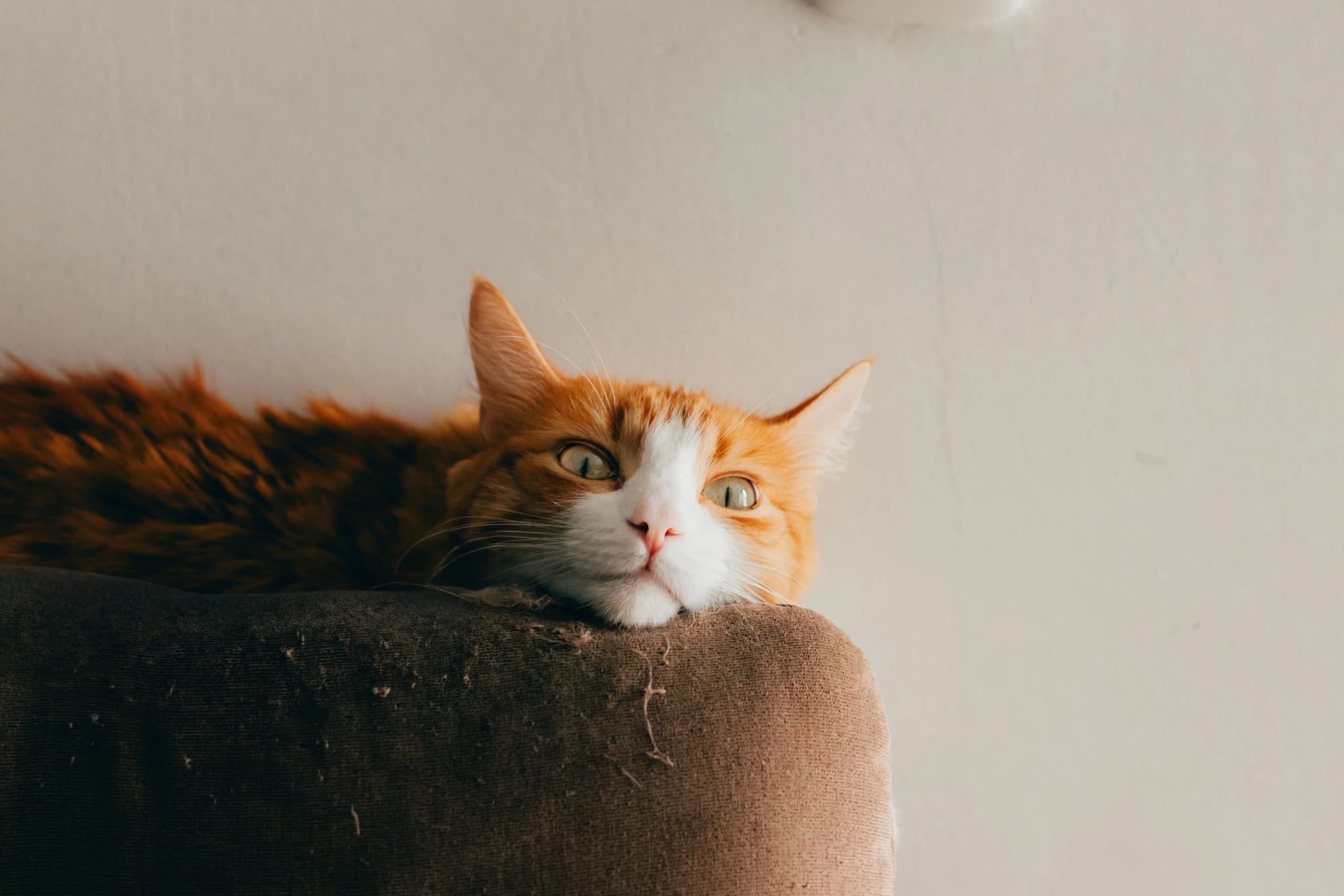

Why does a cat scratch furniture?
Scratching is a multi-purpose means of communication and self-grooming for cats, not a form of teasing or revenge. Scent glands are located between the pads of a cat's paws, which leave a visible mark on the scratched surface as well as a scent message to other animals. Scratching also helps remove old layers of cuticle from the nails and keeps the back and shoulder muscles toned.
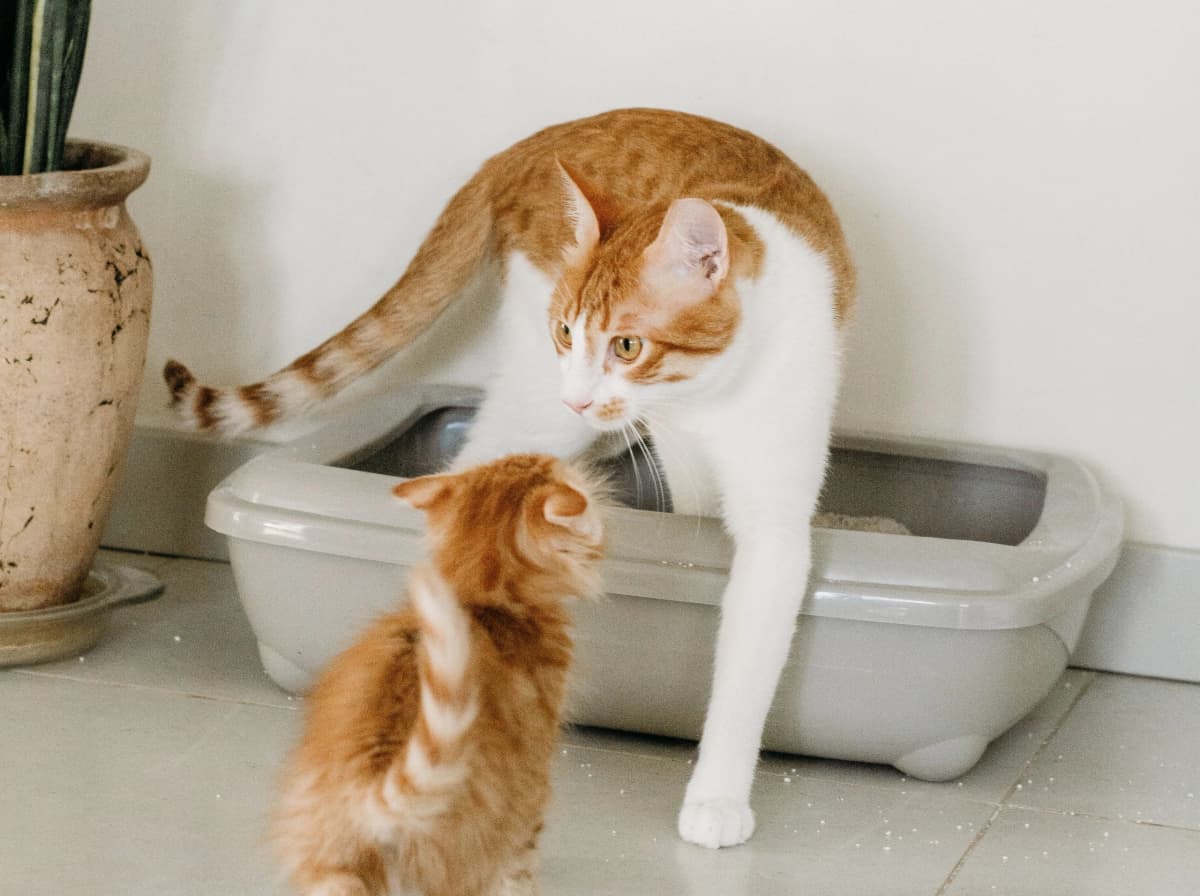
Research shows that furniture destruction is most often caused by stress, boredom and an unsuitable living environment. Anxiety in cats is particularly strong, which can arise from, for example, tensions between several cats, unexpected changes in the daily routine at home or new family members. Furniture will also be a problem for cats if there is a lack of play and mental activity, or if there are no stable and sufficiently high scratching posts in the home.
What kind of scratching post does a cat actually like?
Research shows that most cats prefer vertical, stable scratching posts that won't wobble or fall over when the cat leans on them with all its weight. The post should be at least high enough for an adult cat to stretch out on. The materials that cats like best are rough sisal rope, corrugated cardboard, and natural wood, which are easy for their claws to dig into.
In addition to the material of the post, the location of the post is equally important. Since cats mark their daily living space by scratching, they choose places where they spend the most time or that are close to places they use and sleep. If you remove the scratching post from sight, the animal will still prefer furniture in a more accessible place. Therefore, it is worth placing the post directly next to the damaged piece of furniture and moving it in the desired direction only a few centimeters a day, only when the cat has accepted the post.
How to distract a cat from furniture?
Positive reinforcement and environmental enrichment work best when changing a cat's habits. Punishment and fighting increase the animal's stress level and can increase scratching on furniture. Daily play sessions, climbing trees, and various toys help the cat to control its instincts and expend excess energy. The scent of stinging nettle or valerian can also make the scratching post more appealing.
During the transition, for example, damaged sofa corners can be made uncomfortable for the cat by covering them with slippery film, double-sided tape, or other covering that the cat's claws won't catch on. In parallel, it is worth praising and rewarding the cat with a treat every time it uses the designated scratching post, and trimming its claws regularly.
From sources
The article is based on international studies of feline behavioral biology and veterinary medicine and on clinical behavioral medicine recommendations from Estonian veterinarians.