
Understanding past experience and adaptation time
When adopting an adult dog, it is important to consider that the animal has developed its own habits. When arriving at a new home, the rule of threes applies – during the first three days, the dog is insecure and scared, within three weeks it begins to get used to the new routine, and only after three months does the dog's true character and self-confidence begin to manifest.
Before teaching new commands, you need to make sure that the dog feels safe in the new environment. When the dog feels comfortable, its brain is more receptive to new knowledge. Retraining previous bad habits is never done through punishment, but by replacing the desired behavior and rewarding the correct action.
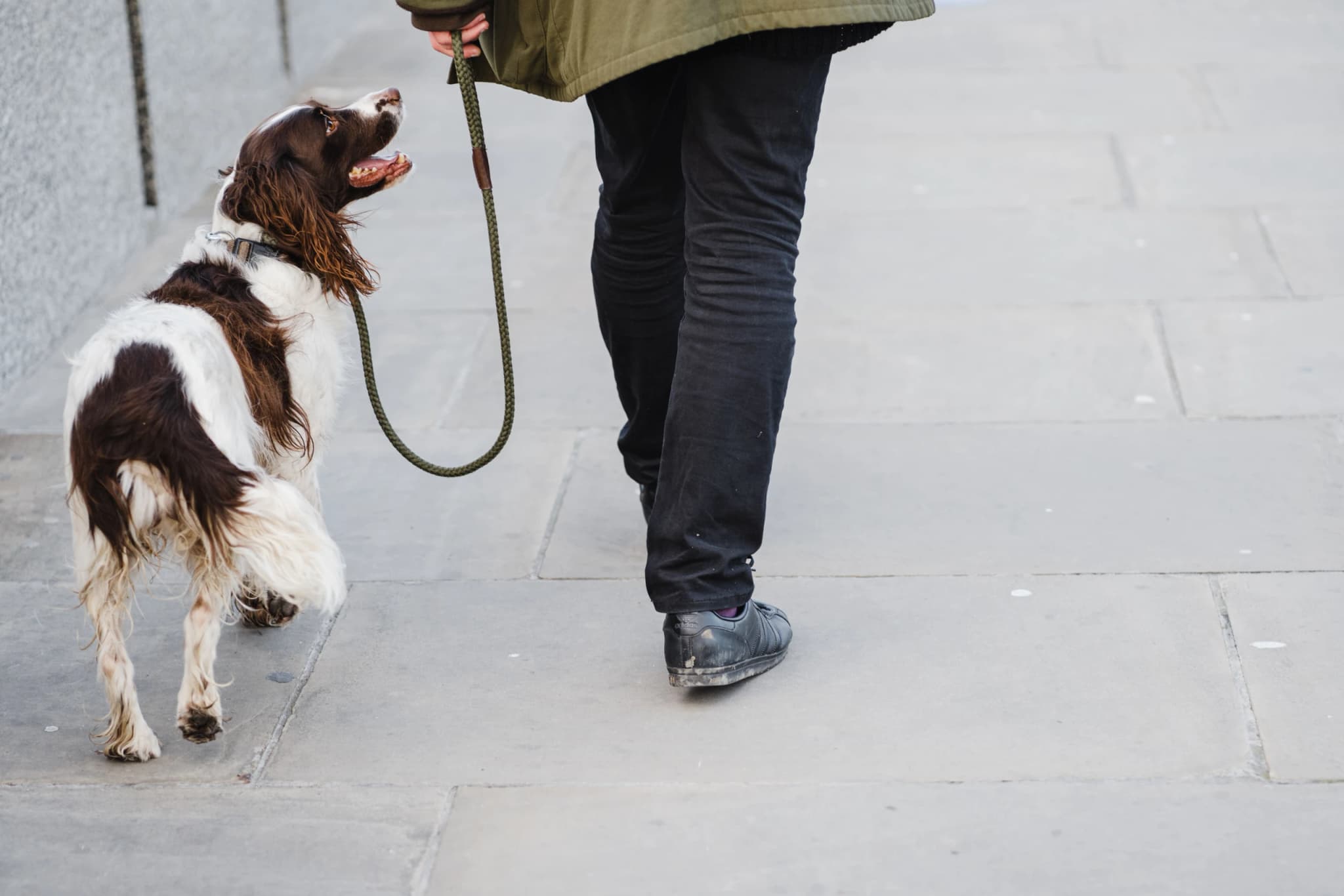
Teaching to walk on a loose leash
Many adult dogs are used to walking on a tight leash, sometimes even dragging their owner along. The most effective way to make leash pulling a thing of the past is for the owner to stop. As soon as the leash becomes tight, the owner stops and does not move forward until the dog loosens the leash or looks at the owner.
When the dog takes a step back, praise always follows and the dog continues to move. The dog makes a connection – a tight leash means stopping the movement, while walking on a loose leash allows you to move forward and get a treat from the owner. It is also worth preferring ergonomic harnesses over collars, which are safe for the dog and make training more comfortable for the animal.
Manners and basic commands in everyday life
When teaching daily habits, consistency across the family is key. If one family member allows the dog to go on the couch or bed, for example, but another does not, it creates confusion for the animal and prolongs the learning process.
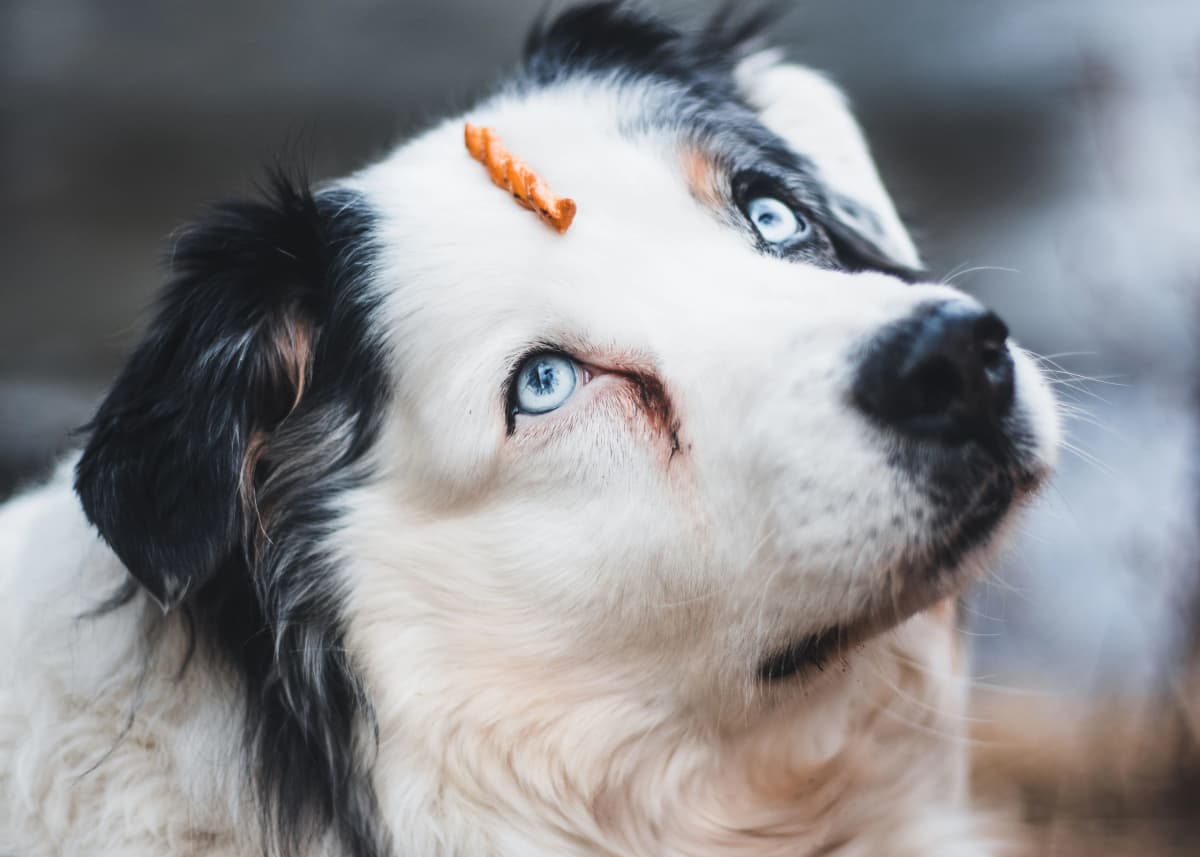
Basic commands such as "sit", "down" or "come" are most easily learned by directing with a treat. While in the case of puppies, training sessions are carried out for a few minutes, primarily due to their short attention span, in the case of adult dogs it is worth keeping the sessions to about five to ten minutes. This prevents mental overload and ensures that the dog's learning motivation remains high. Every successful performance should receive immediate positive feedback, either with a treat, lots of praise or a favorite toy.
Practicing attention-getting and reinforcing commands in the outdoor environment
A common concern is that a dog may listen well at home, but outside, new smells, other animals, and sounds make it difficult to get their attention. Dogs do not automatically associate what they have learned with different environments, which means that commands need to be practiced consistently, even in places with distractions.
Training begins calmly, for example in the home garden or a quiet yard, and from there, step by step, moves to roads and dog parks, where people usually walk or exercise. When training outdoors, the reward value must be significantly higher than at home - instead of dry snacks, it is worth using especially tasty and fragrant wet snacks or meat, which can compete for attention with distractions outside. If the dog is too stimulated by the environment and cannot focus on the owner, it is necessary to move a little further away from the distraction until the dog can find contact with the owner again.
From sources
The article is based on research into canine cognition by the Animal Behaviour, Cognition and Welfare Research Group in the Faculty of Science at the University of Lincoln and the Messerli Research Institute at the University of Veterinary Medicine in Vienna.