
What will change in the law?
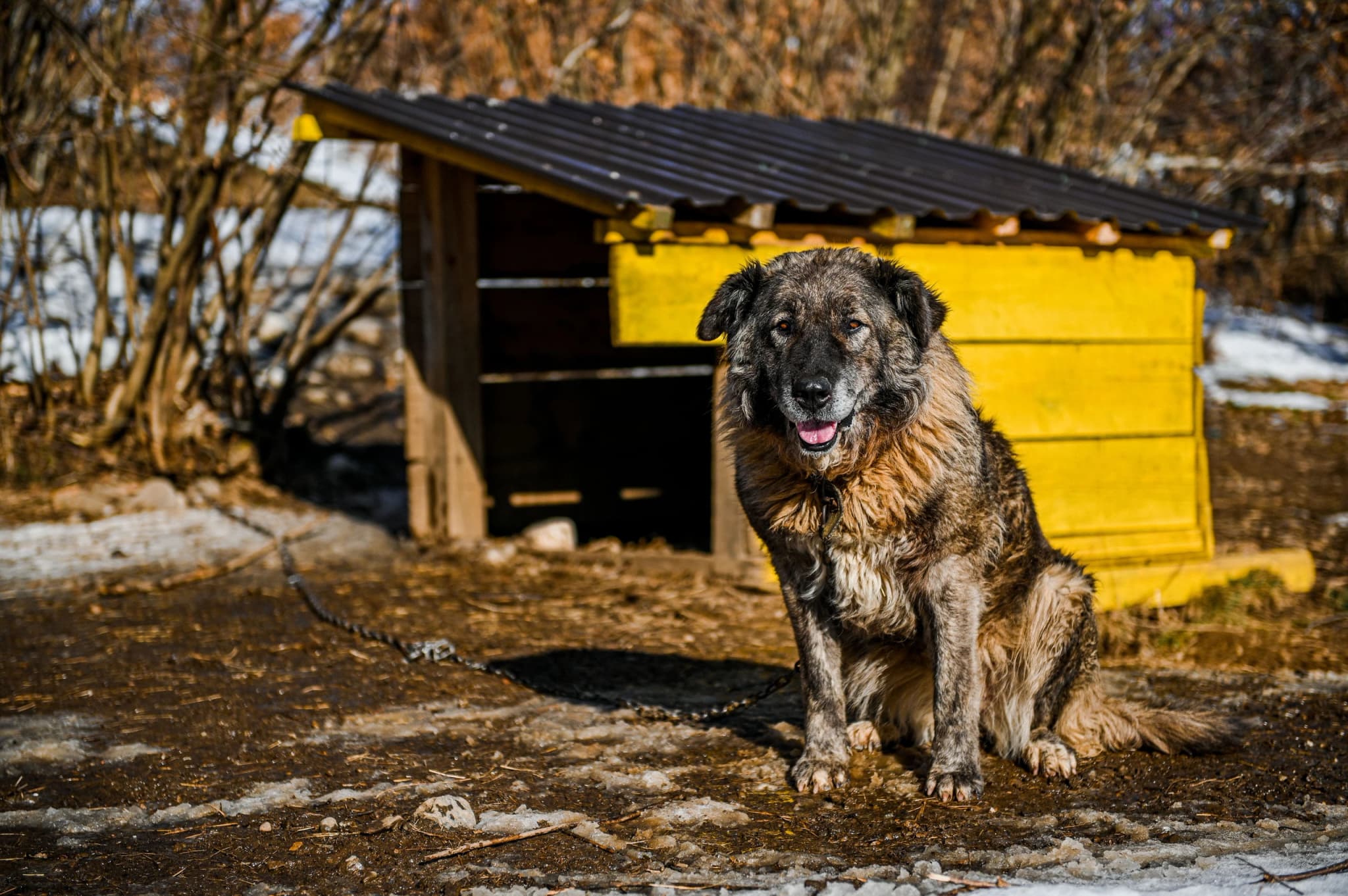
One change is that the new law prohibits the permanent chaining of dogs, in order to ensure that pets have the freedom of movement that is appropriate for their species and to protect them from physical and psychological problems caused by prolonged chaining. At the same time, data on pets, previously distributed across different databases, will be consolidated into a single national register.
For the pet owner, this means a one-time cost for the animal to be properly microchipped at a veterinary clinic and initially registered, if this has not already been done. Subsequent verification of data, updating the owner's contacts, and reporting the animal's loss are free of charge in the national register. A unified register makes it much faster to find a lost pet and allows supervisory authorities to better monitor compliance with mandatory vaccination requirements.
In addition, the requirements for euthanasia of an animal will be tightened, which will henceforth be permitted only if the survival of the animal would cause it lasting suffering or if its species-specific lifestyle has become impossible. A veterinarian will play a leading role in making the decision. The law also specifies the bases for the activities of animal shelters, stipulating that private individuals offering individual shelters do not require a separate operating license if they operate under a contract with an officially licensed shelter or animal rescue organization. The law also further stipulates a ban on the production and distribution of bestiality and material depicting it, along with updated penalty rates.
Legal changes bring good things, but they also make it more difficult for many organizations to continue their activities.
Although most of the goals of the law were supported by society, the process of the bill also brought attention to its weaknesses. After the law was passed by the Riigikogu, nearly forty animal protection organizations and networks of voluntary shelters appealed to the President not to promulgate the law.
The associations feared that the new requirements and conditions related to operating licenses – for example, each NGO will be obliged to appoint a specific veterinarian who must ensure the implementation of disease prevention and control measures – could be overwhelming for smaller volunteer-based organizations. Animal rescuers believe that overly strict regulations could discourage the referral of animals in need to temporary care homes, which would further increase the burden on larger shelters struggling with a shortage of places.
The President promulgated the law
President Ülle Madise promulgated the law despite pleas from rescue organizations, justifying the decision by saying that a law can only be withheld if it is in conflict with the constitution. However, no conflict was found in this case. Since the law contains several important and expected improvements to improve animal welfare, the veto of the law was not justified.
Animal rescue organizations can contact the Chancellor of Justice
In order to ensure that the concerns of animal protection associations do not go unnoticed, the Head of State asked the Chancellor of Justice to closely monitor the individual issues in dispute and the implementation of the new rules. The President also asked those associations that feel that the new requirements will force them to give up helping animals to write directly to the Chancellor of Justice and explain in detail why such a consequence may occur. Such a solution allows only specific norms to be challenged if necessary. This way, the changes necessary for animals can immediately enter into force as law, and problematic points can be corrected separately later.
From sources
The article is based on announcements from the Office of the President of the Republic, the Animal Protection Act and the Veterinary Act adopted by the Riigikogu, and public appeals from Estonian animal protection associations.