
A stressful journey and unknown origins
Small animals that end up on pet store shelves often come from large farms or intermediaries, which means that the new owner does not know the animal's exact origin, age, possible degree of inbreeding and, in the case of very young animals, even the sex. The long transport from the breeder to the intermediate warehouse and from there to the shopping center causes severe physical and mental stress for young animals. Since the immune systems of prey animals, such as rabbits and guinea pigs, are very sensitive to stress, the transport alone can cause health problems for the animal.
There is also a lack of time and knowledge in store conditions to really deal with animals. While a responsible breeder accustoms puppies to the calm touch and voice of a person from an early age, in the showroom the animal is mainly exposed to the gaze of passers-by, knocking on the glass and sudden lifting. This makes the animal timid and makes it difficult to establish a trusting relationship in a new home.
Limited space and shopping mall environment
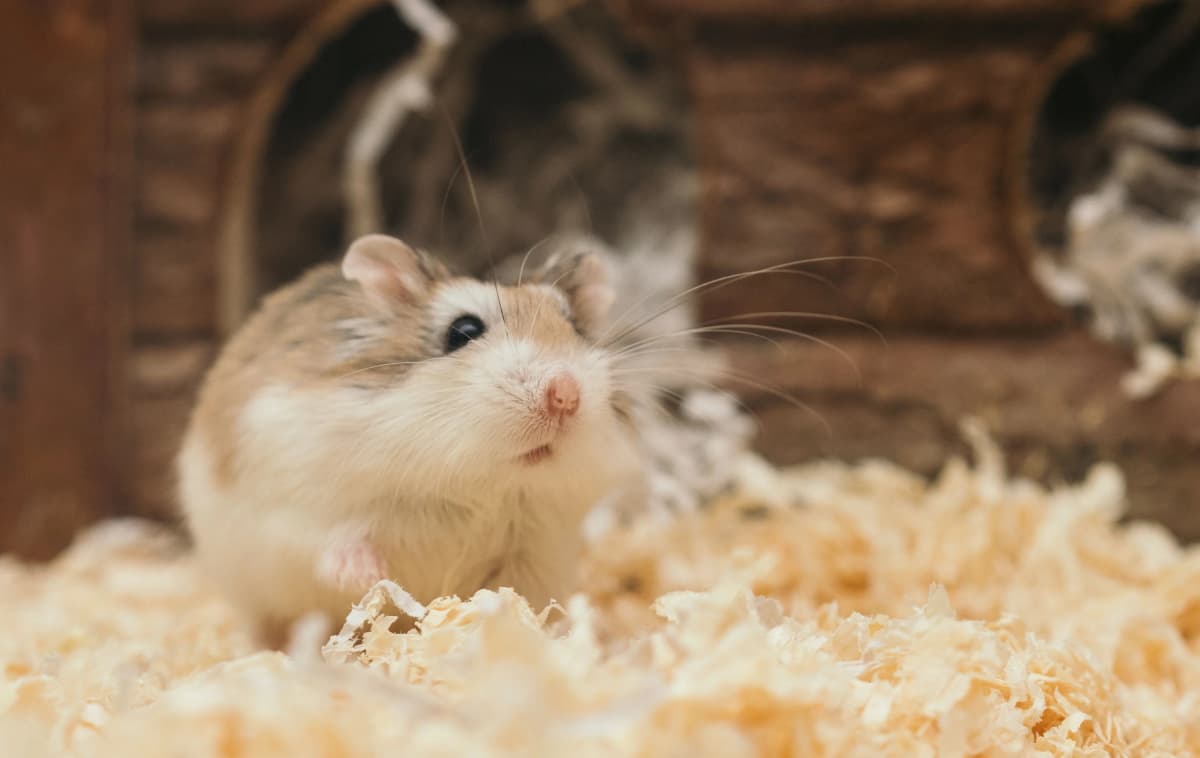
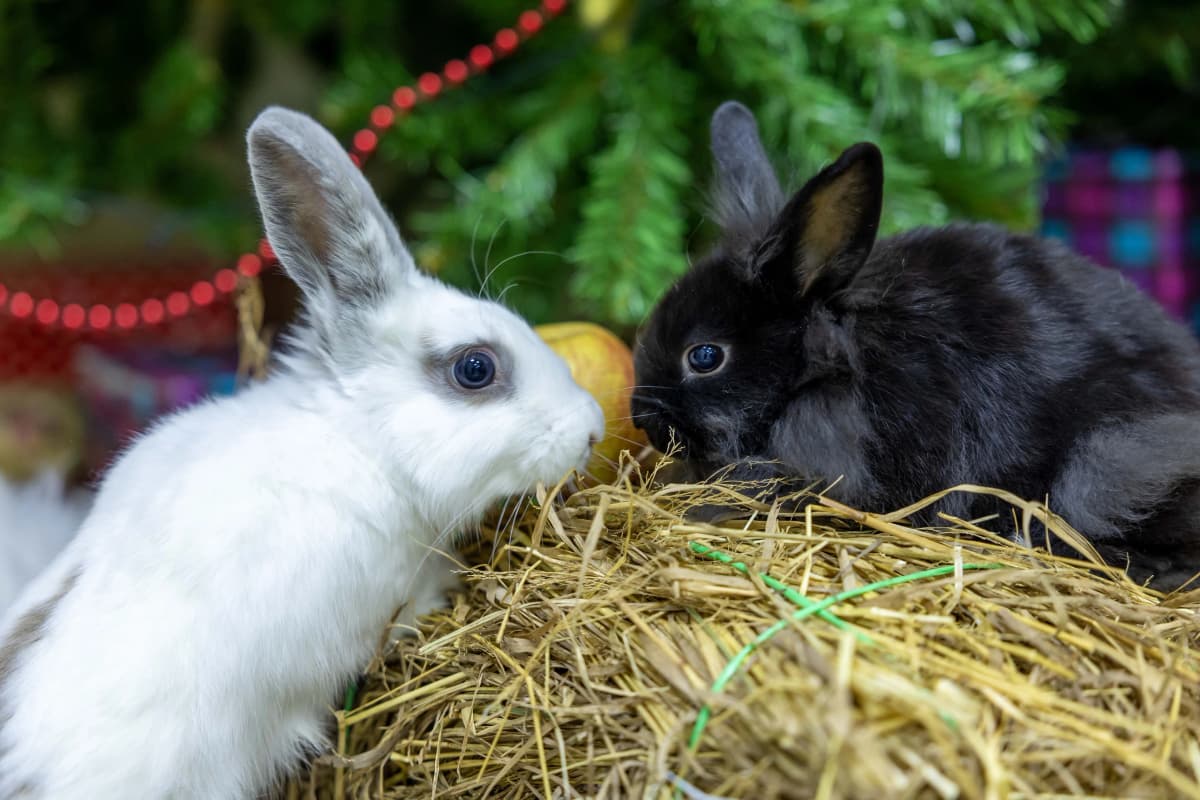
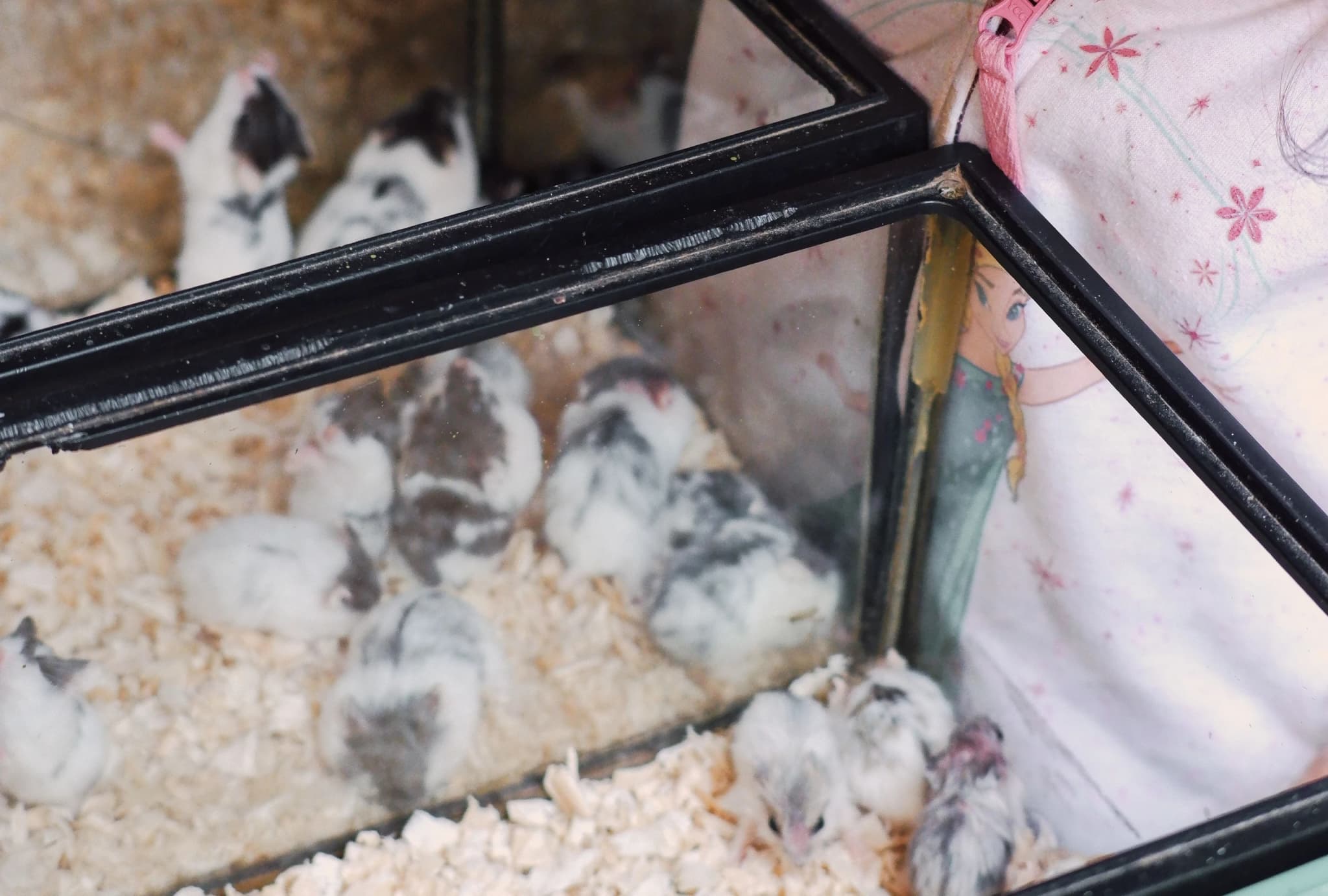
The surface area of the sales hall places severe restrictions on the conditions in which animals are kept, which is why their species-specific movement needs in the store are mostly not met. For example, rabbits need space to run and jump; hamsters need a deep base for digging burrows and a large running wheel, but such conditions cannot be created in the sales booths of a shopping center. In addition, the store environment is naturally noisy, bright and crowded, which is especially exhausting for animals that are nocturnal and active in dim light.
Due to limited space and frequent changes in stall mates, it can happen that young animals of different sexes are not separated at the right time and the new owner unknowingly takes home an already pregnant female. Also, an animal that catches the eye in the salesroom encourages impulsive purchases, in which case preliminary work is not done on the animal's needs, lifespan, and veterinary costs.
Each purchase opens a place for the next one
There are ethical issues to consider when adopting a pet from a pet store. While a passerby may think that by taking it home, they are saving a particular animal from its poor conditions, the trade works on the basis of supply and demand. Each animal sold frees up space in the store for the next one and signals the chain to order another, perpetuating a system in which living beings are treated as ordinary commodities.
At the same time, many abandoned animals are waiting for a new home in animal protection organizations' shelters and shelters, often because they have lost their initial enthusiasm. If a rodent living in a pet store arouses interest in adopting a pet, it is worth first familiarizing yourself with the needs and characteristics of the species, considering your own possibilities and limitations, and then getting to know animals from ethical breeders, shelters, and shelters. People who deal with the species on a daily basis can also talk about the animal's health and character, and will be able to help in the future if necessary.
Decide responsibly
Although the health and welfare risks associated with adopting an animal from a store are serious, it cannot be said that a pet store will always become a problem animal in one way or another. The conditions of the stores, the awareness of the staff and the origin of the animals can vary significantly from store to store, and many people also find a healthy and nice little friend in a store. Nevertheless, it is worth considering before buying both the fact that each animal is a responsibility that will last for years, and the fact that each animal purchased from a store makes room for the next one.
Sources
The article is written based on the principles of animal welfare and behavioral biology, as well as recommendations from Estonian animal protection organizations and veterinarians for keeping small animals and responsible adoption.