
How do breeders operate and where can I find information?
In Estonia, puppies are registered in the breeder's name. For the first two litters, an official kennel name is not yet mandatory, but from the third litter onwards, the breeder must have a confirmed kennel name. The prerequisite for obtaining this is completing the Estonian Kennel Club (EKL) breeder training and signing a breeder's commitment contract. After that, the kennel name becomes a mandatory part of the official name of each bred dog.
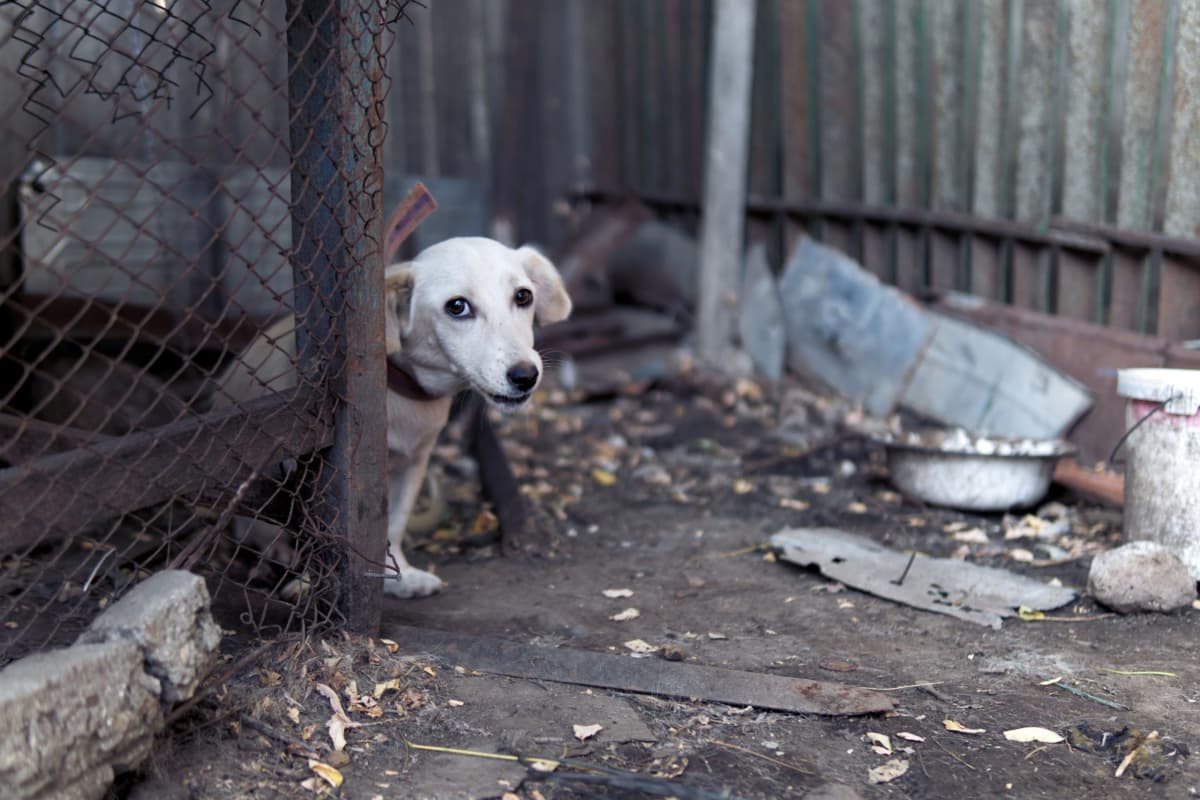
When looking for a puppy, it is best to start your preliminary work at the breed association or club where breed enthusiasts gather. Breed associations share information about active breeders and pending litters. You can also find information about Estonian breeders and litters from the Estonian Kennel Club's breed register and puppy advertisements published on the website. Although the Estonian Kennel Club itself mediates puppies, the breed register is the best place to check whether the parents have undergone the required health tests and how often the breeder has had litters. Before making a purchase decision, you should definitely research the breeder's background and avoid so-called puppy factories, because a cheaper purchase price often means high veterinary costs later.
Characteristics of a Responsible Educator
The main goal of a responsible breeder is to improve, preserve and promote the breed, not to make a financial profit. The fee charged for puppies goes towards covering the costs of raising the litter and caring for the parents. A good breeder cares about the well-being of their offspring even after the sale and is characterized by clear principles.
Thorough background check and communication. A responsible breeder will never sell a puppy online without meeting the new owner in person. Because they want to make sure the dog goes to a loving home that understands the breed, they may have more questions for you than you have for them. Sometimes you have to wait a while to get the right puppy, as a quality breeder has a limited number of litters per year.
Personal meeting in the home environment. The breeder invites you to visit and meet the puppies, their mother and possibly other dogs in the home. This gives you the opportunity to see the conditions in which the puppies are raised, observe their interaction with each other and get a picture of the dogs' health and temperament.
Support throughout the dog's life. The breeder knows the breed in depth, answers all questions, and provides advice on feeding, vaccinations, and care. He or she will be there for you throughout the dog's life.
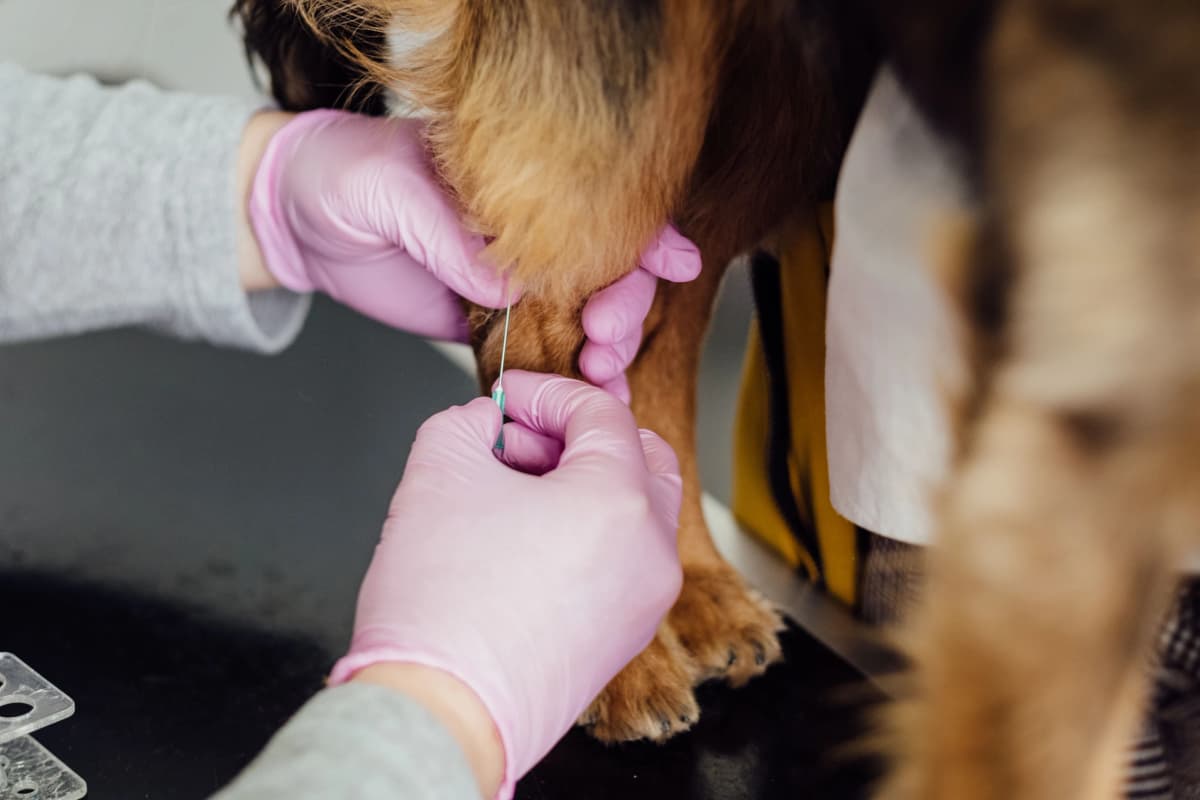
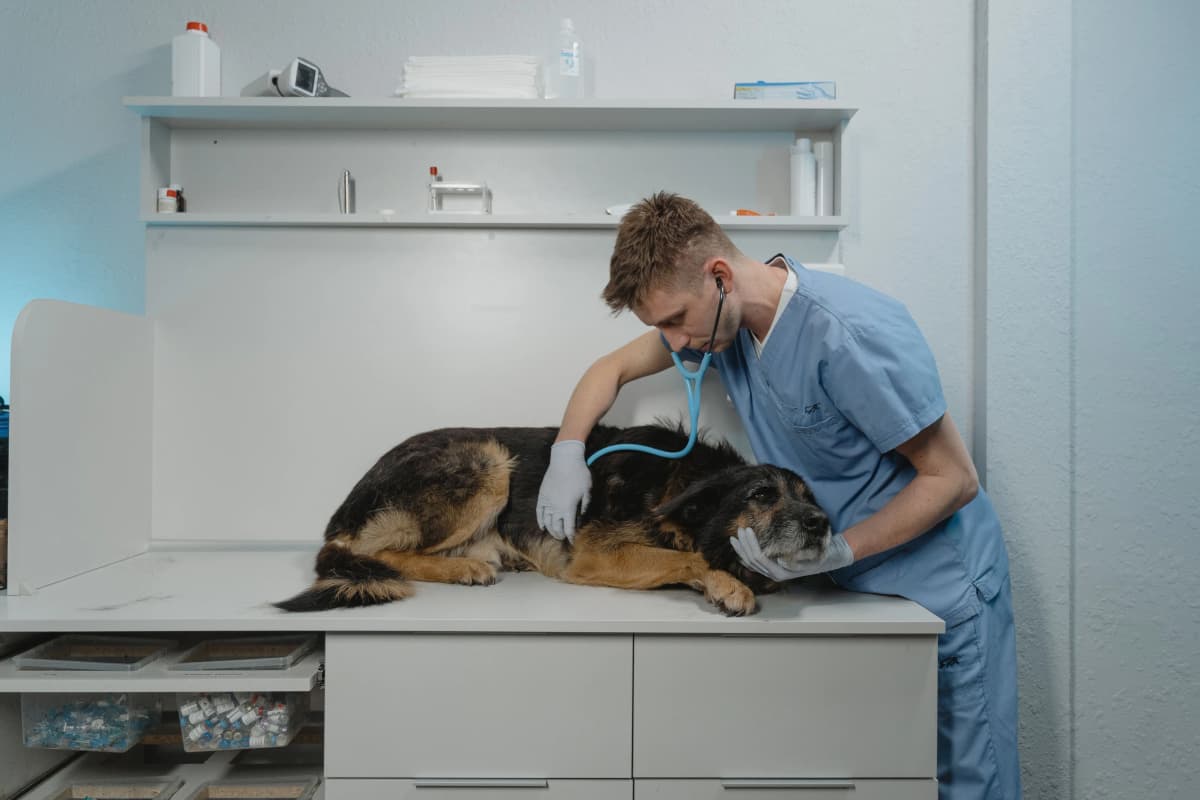
Health screening and awareness. The breeder will perform the necessary genetic and other health screenings on the parents and conduct regular checkups. They also want to be aware of any health issues that may arise in the future.
Contract and security. A formal purchase and sale agreement is always signed when selling. A responsible breeder will also take back the dog or help find a new home if the owner can no longer care for the dog for any reason.
Raising healthy and happy dogs is a complex process. In addition to the responsible work of the breeder, the new owner can also contribute to the dog's long-term well-being by ensuring the puppy receives proper upbringing, food, and care.
The article is based on information published on the official website of the Estonian Kennel Club (EKL), which is aimed at promoting responsible dog ownership and breeding in Estonia.