
The study, published in the journal Applied Animal Behaviour Science , monitored the behavior and physical condition of rabbits in habitats of varying sizes and heights. The researchers specifically analyzed how spatial constraints affected the rabbits' daily movement patterns, such as rearing, stretching, and jumping.
Lack of space leads to a sharp movement deficit
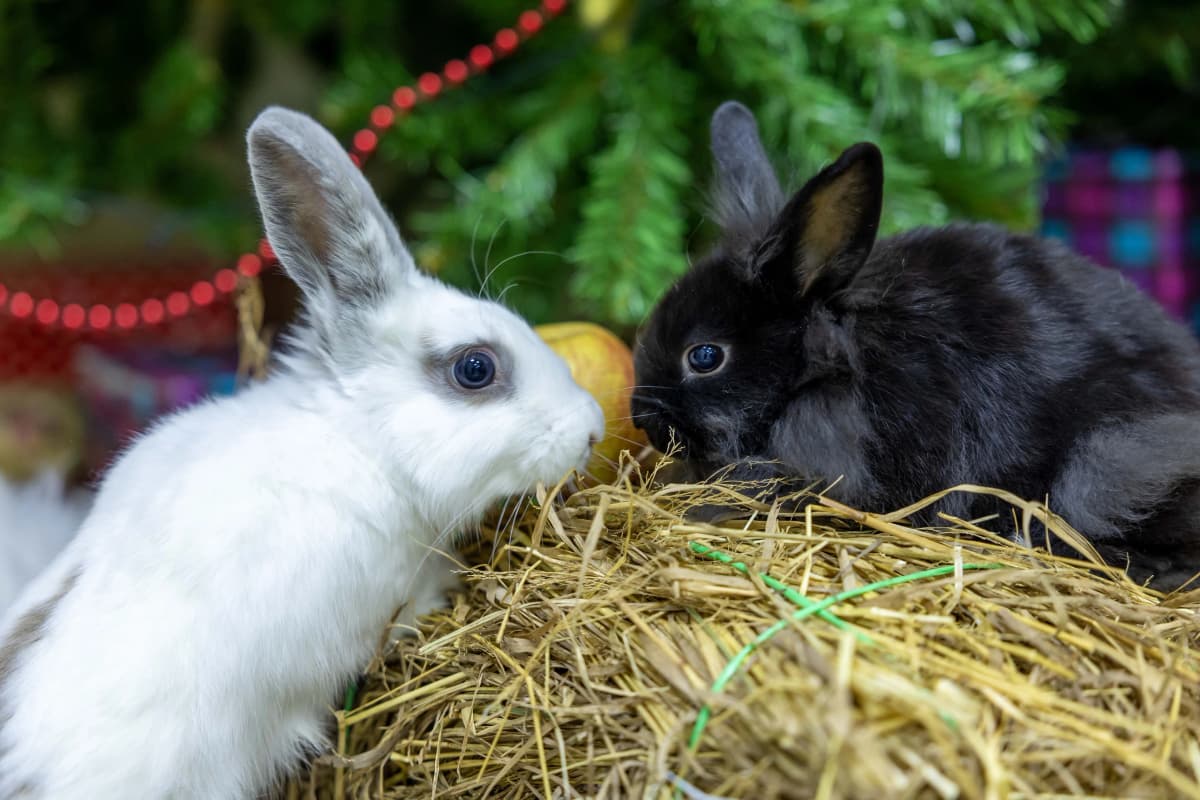
The results of the study showed that rabbits' freedom of movement in conventional cages is significantly limited. The height of the cages was particularly problematic, as most standard cages are too low. This prevents rabbits from adopting their natural rearing position, which is their natural alertness and which they need to feel secure.
Lack of exercise also has a direct impact on the physical health of rabbits. Rabbits that cannot jump or fully extend themselves suffer from constant lack of exercise. This causes a decrease in bone density and makes the spine and hind legs more susceptible to trauma. Also, constantly sitting in the same position in a small space puts excessive pressure on the hind legs, which leads to painful skin inflammation, or pododermatitis .
In addition to physical ailments, a cramped habitat affects the psyche of a mobile animal, similar to cats and dogs. Rabbits living in cramped conditions exhibited significantly more unnatural behaviors, such as constant chewing on the cage bars and aimlessly digging in corners, which indicates long-term anxiety, inactivity, and an unsatisfied need for movement. The researchers concluded that rabbits kept as pets must be provided with a habitat that allows them to run, jump, and stand up freely, which in practice can only be achieved by free-range or very large open enclosures.
About the authors
The study was titled "The effect of housing height on the behaviour of domestic rabbits (Oryctolagus cuniculus)" and was conducted by researchers at the University of Bern. The main message of the study confirms that rabbits are active animals, whose cage confinement causes lack of movement, spine and paw problems, and constant mental dullness and anxiety, which is why they need the opportunity to move freely for a natural life.