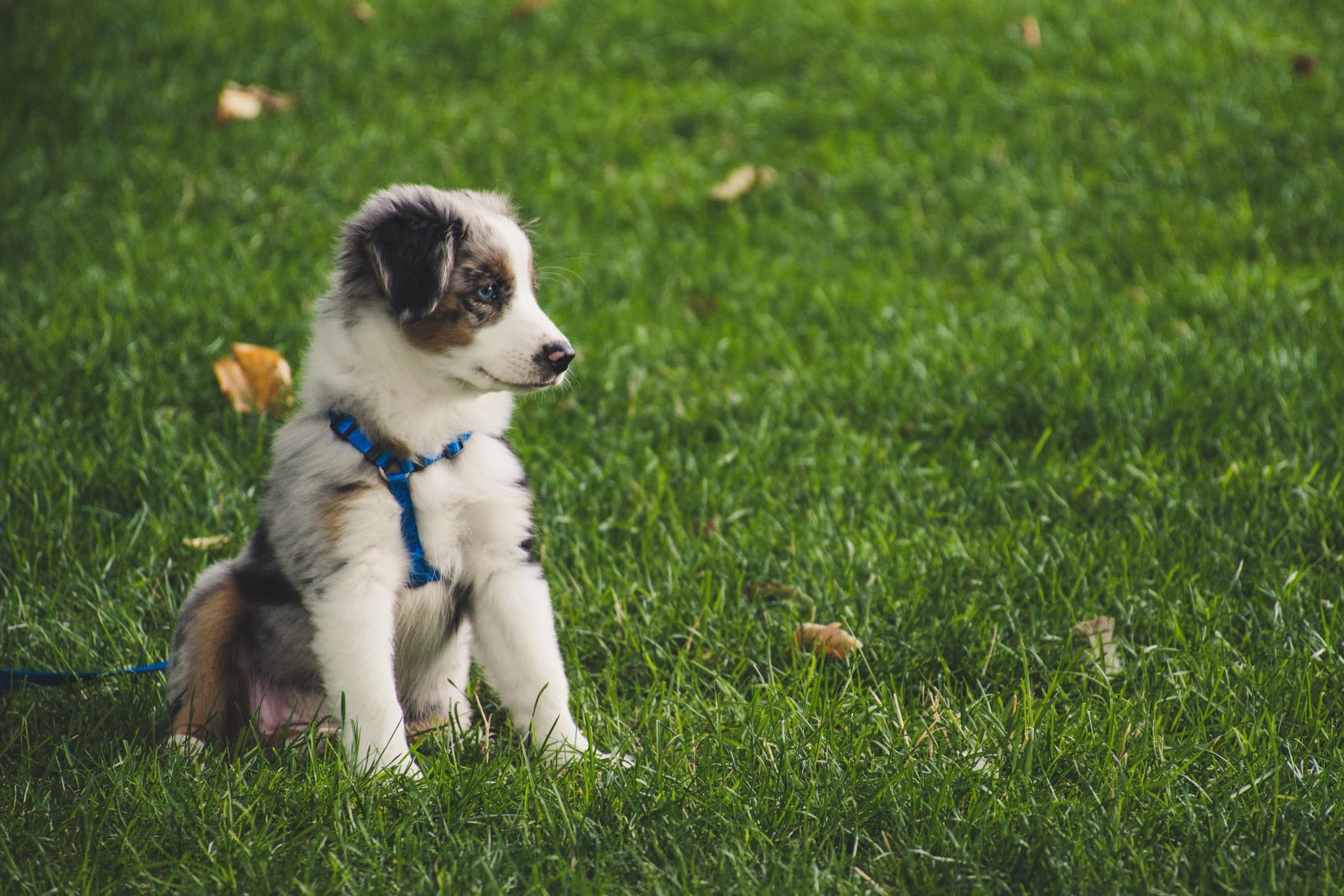

The whole process is based on creating a clear daily rhythm and routine. Puppies have very small bladders and cannot hold their urine for long. Usually, a puppy can hold its bladder for about as many hours as it is months old, which means that a two-month-old puppy needs to go out every two hours. Special attention should be paid to critical moments and take the puppy out immediately after waking up, shortly after eating or drinking, after active playtime and just before bedtime.
It is equally important to learn to recognize the signs that your puppy needs to relieve himself. Typical signs include sniffing and pacing the floor, acting anxious or restless, moving toward doors, whining, and abruptly stopping play. If you notice any of these behavior patterns, take your puppy to a designated area immediately.
Praise, coping with accidents, and aids
The most effective way to train a puppy is through positive reinforcement. When your puppy does his potty in the right place, praise him immediately and generously, using a treat, a pat, or a happy tone of voice. It is important to praise him exactly when he has finished the action, as this will help the dog understand the connection between his action and the reward.
Accidents happen to every puppy and are a natural part of the learning process. If you discover a puddle or a pile in the house, you need to remain calm, because punishment or raising your voice will not help the puppy understand the behavior. Punishing the dog afterwards will only cause fear and confusion in the dog, and he may start hiding his troubles from his owner behind furniture. The accident site should be thoroughly cleaned with a special enzymatic cleaner that completely removes the smell, because ordinary household chemicals can leave a noticeable scent mark for the dog, which will attract him back to the same place. If you catch your puppy in the act, calmly interrupt him and immediately take him to the right place. When he then finishes his trouble outside, be sure to praise him.
A crate or a confined area can also be used as a tool, as dogs are naturally clean animals and do not like to soil their sleeping area. The crate should be a safe and pleasant place for the puppy, never a punishment area, and it should be the right size so that the dog can stand, turn around and lie down comfortably. With a consistent routine, patience and positive guidance, the puppy will quickly develop the habit of doing his chores outside and the housetraining phase will go smoothly.
About the author
This article is based on material written by Dr. Mikel Maria Delgado, Director of Standards and Research at Good Dog. Dr. Delgado holds a PhD in animal behavior and cognition from the Department of Psychology at the University of California, Berkeley, and a postdoctoral fellowship at the UC Davis School of Veterinary Medicine. He is also a certified Applied Animal Behaviorist and has over 20 years of experience working with companion animals.