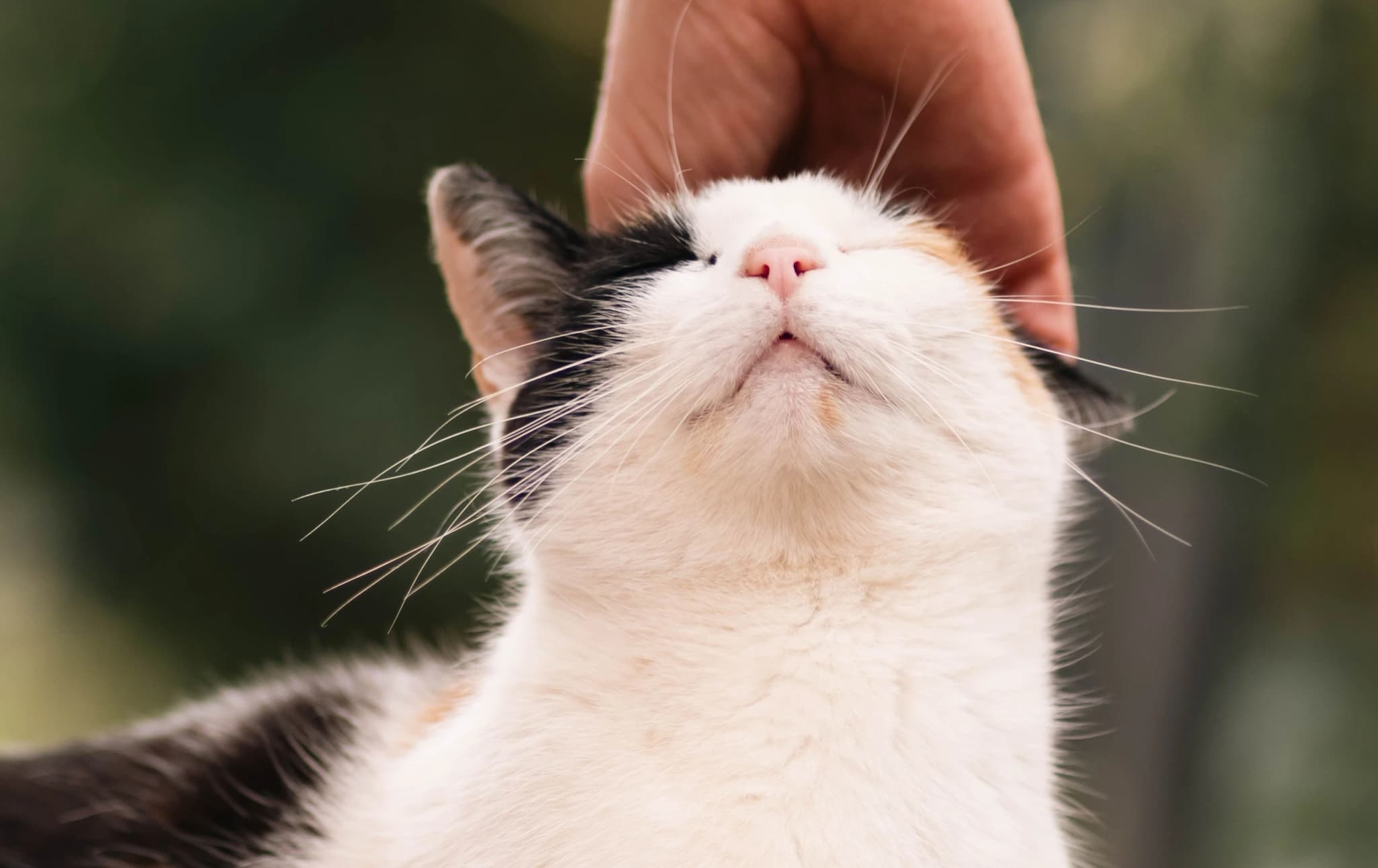

Building relationships between cats
Although the ancestor of cats is the solitary wild cat, domestic cats have evolved over millennia the ability to live in groups, provided there is sufficient food and safe resting places nearby. Members of the same group recognize each other by a common scent profile, which is created by rubbing against each other and mutual grooming. Close companions often sleep in each other's arms and hold their tails up in greeting.
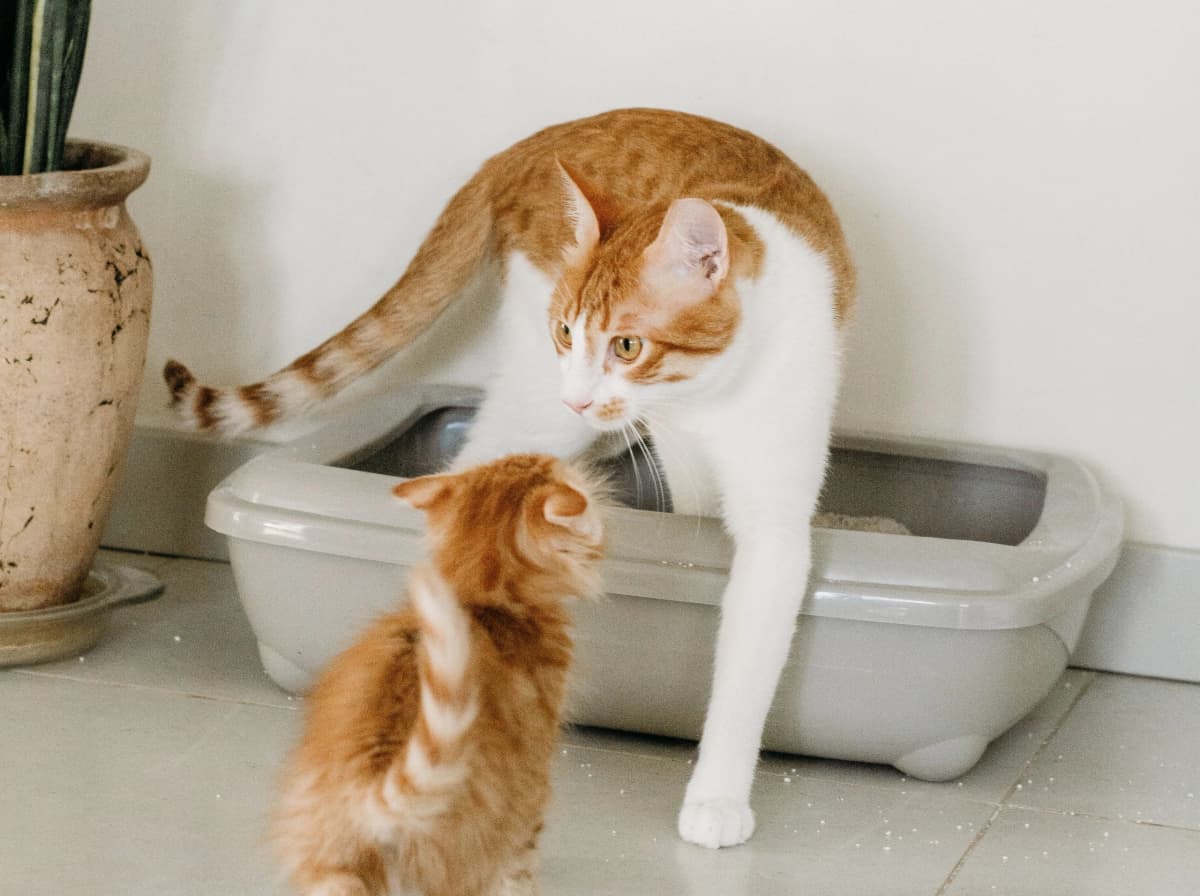
Cats usually keep their distance from strangers to avoid direct conflict. To prevent confrontation, cats use silent, far-sighted signals, such as avoiding eye contact, adjusting the position of their ears, or lowering their bodies. Loud hissing and growling are only used when initial warnings are not enough.
Language adapted for human communication
Adult cats rarely meow to each other, but vocalizations are one of the main means of communication with humans. Domestic cats quickly learn which sounds and vocalizations are most effective in attracting human attention. For example, when asking for food or attention, many cats use a mixture of purring and higher-pitched meows, which resemble the cry of a baby to the human ear and prompt a quick response.
In addition to vocalizations, cats closely monitor a person's body language, tone of voice, and gaze direction. Studies show that cats can distinguish their own name from other similar-sounding words and recognize the voice of a familiar person even when the speaker is not visible. They also prefer to approach a person who is calmly paying attention to them rather than looking past them.
Facial expressions and body language reflect mood
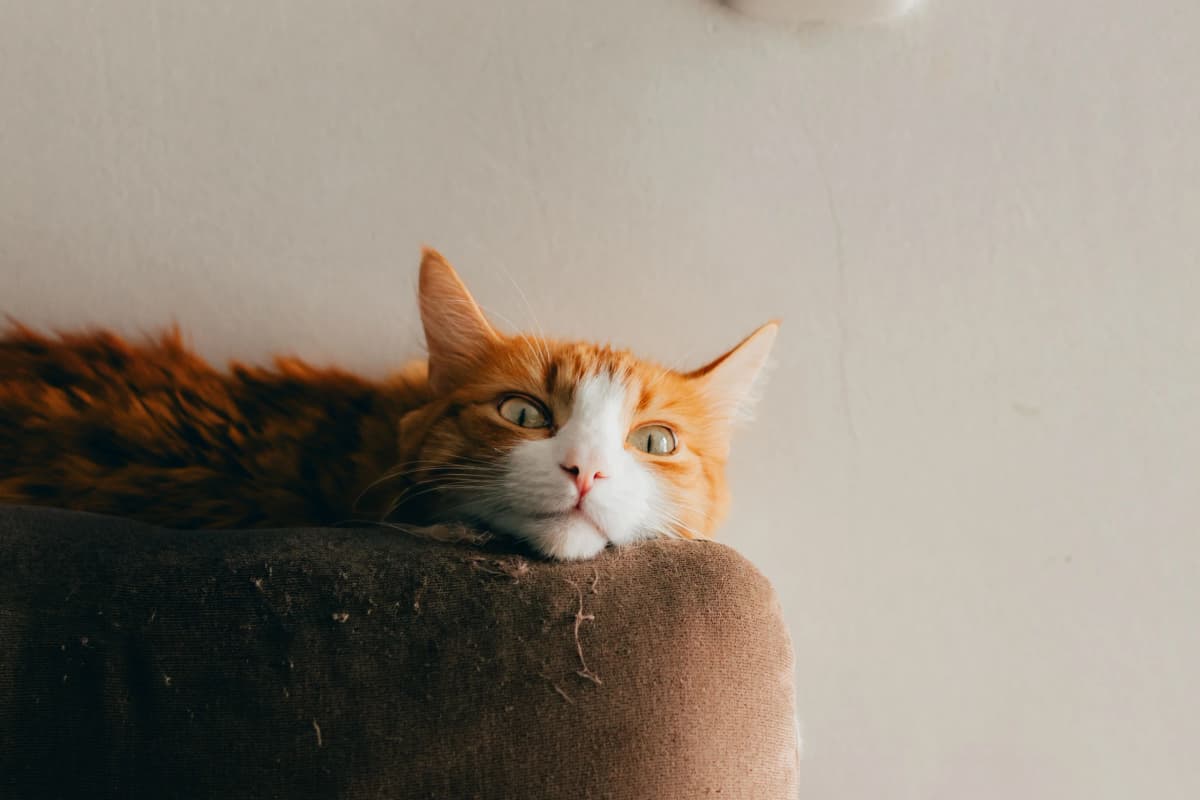
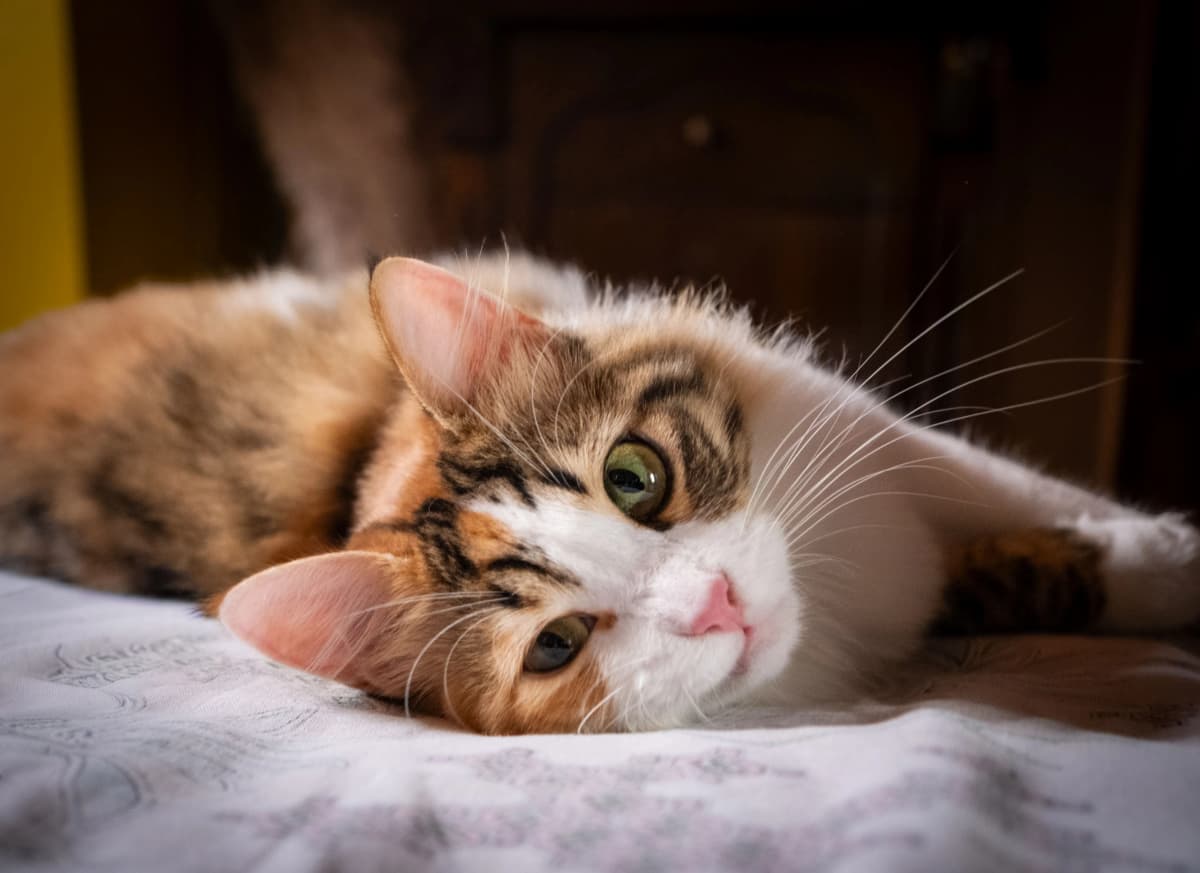
A cat's mood and intentions are most clearly conveyed by its eyes, ears, whiskers, and tail. A content and trusting cat's ears are pointed forward, its whiskers are loose at the sides, and its gaze is soft. One of the most recognizable signs of friendliness is the slow blink, where the cat calmly squints its eyes and then closes them completely for a moment. When a person responds with a similar slow blink, the cat perceives this as a calming and friendly signal.
A tense or insecure cat will pull its ears to the sides or back, its pupils will dilate, and its whiskers will either move tightly against its cheeks or forward in tension. The tail also provides important information - an upright tail with a slight curve at the tip expresses a friendly greeting, while a tail that is abruptly wagging from side to side indicates irritation or tension.
Attachment to the owner
In many ways, a cat's attachment to its owner resembles the attachment relationship between young children and dogs. An attached cat uses a familiar person as a backdrop, against which or in the shadow of which it can more confidently explore new and unfamiliar environments. When the owner leaves and then returns, the attached cat seeks calm contact, rubs against its legs, and then continues its usual activities.
Every cat values independence and freedom of choice. The strongest bond is formed when a person allows the cat to seek intimacy on their own, respects their rest time, and patiently and consistently responds to their calm communication styles.
From sources
The article is based on the Estonian University of Life Sciences' animal behavior and welfare teaching materials and international studies of cat social interaction and attachment behavior.